THE ADVENTURE COLLECTIVE® · Independent discovery and booking for outdoor travel

Spend four hours among sand-grown vineyards and salt pans, tasting AOP Sable de Camargue wines and spotting flamingos. This accessible half-day tour pairs a picnic tasting with a visit to one of Europe’s largest estates.
Spend four hours among sand-grown vineyards and salt pans, tasting AOP Sable de Camargue wines and spotting flamingos. This accessible half-day tour pairs a picnic tasting with a visit to one of Europe’s largest estates.
A low sun warms the flat salt pans as your minibus eases onto sand-tracked roads; in the distance a band of pink flamingos lifts and the dark shapes of Camargue horses move like punctuation on the plain. This half-day excursion threads between saline marshes, dune vineyards and the broad horizon of the Salins d’Aigues-Mortes, ending at one of the largest wine estates in Europe for an informal tasting and picnic.
Verified experiences and guided adventures in the surrounding area.
Operated by Destination Occitanie · Aigues-Mortes, Occitanie
A low sun warms the flat salt pans as your minibus eases onto sand-tracked roads; in the distance a band of pink flamingos lifts and the dark shapes of Camargue horses move like punctuation on the plain. This half-day excursion threads between saline marshes, dune vineyards and the broad horizon of the Salins d’Aigues-Mortes, ending at one of the largest wine estates in Europe for an informal tasting and picnic.
Geology here is straightforward and decisive: windblown sands over a shallow coastal plain, fed by tides and enclosed as salt pans for centuries. That saline influence creates the pale, minerally gris de gris wines the region is known for. Culturally, the Camargue still carries rural traditions — gardians on horseback, bull rings in nearby villages, and fishing and salt-harvesting practices that date back to medieval Aigues-Mortes.
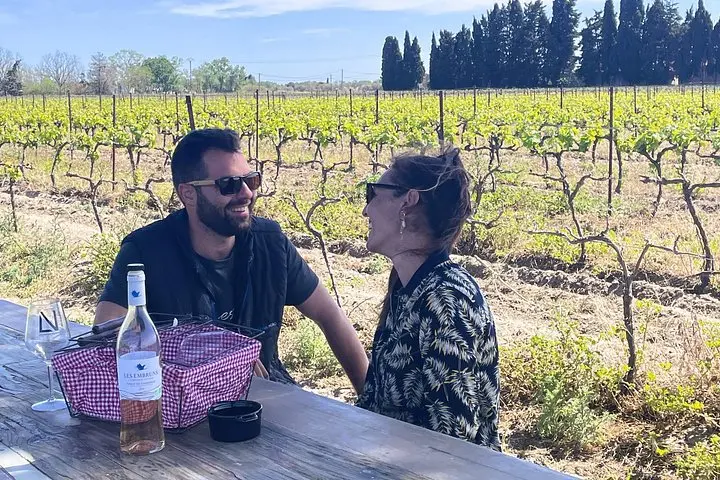
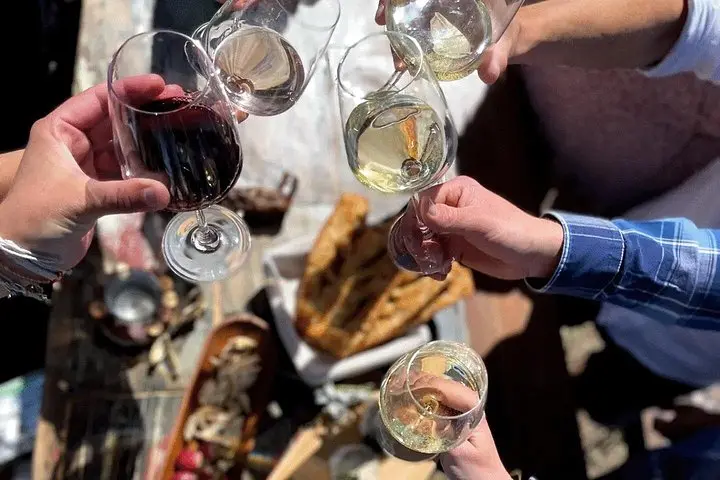
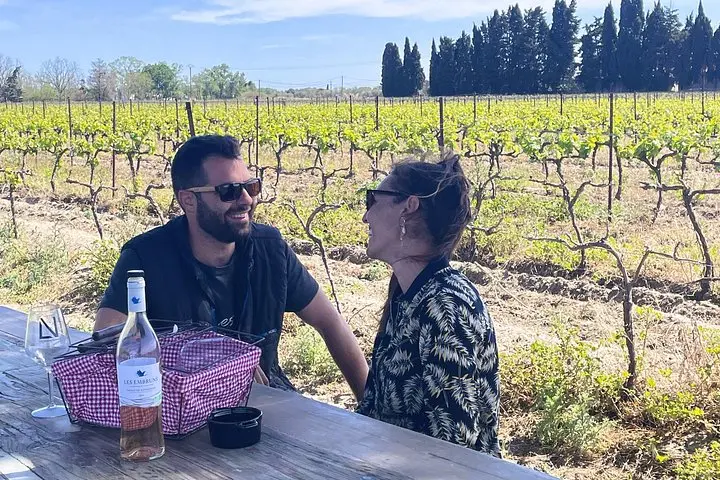
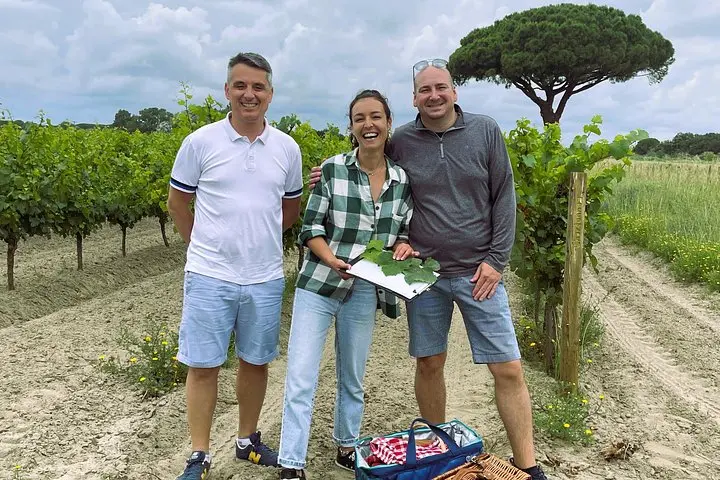
Expect short periods of gentle walking between vehicle stops, close-up views of wildlife (flamingos and marsh birds) and a guided introduction to winemaking, from vine-in-sand planting to vinification. The experience blends a tasting game with a local picnic of cheeses, charcuterie and crusty bread, plus bottled water and air-conditioned transport.
Practical guidance: book morning or late-afternoon departures to avoid peak heat, bring sun protection and stable shoes for sandy tracks, and carry binoculars for birdwatching. Tours typically meet in town centers (some departures list Montpellier pickup points like the O’Sullivan bar) and last about four hours. This is an accessible, low-effort way to pair wildlife viewing with regional wine and food.
The excursion runs about four hours, typically including transport, a vineyard picnic and a guided winery visit.
Yes — the tour includes air-conditioned vehicle transport between stops; check the meeting point on your voucher.
Yes — a local picnic and an introductory wine tasting at the estate are included, along with bottled water.
The tour is described as easy and suitable for most fitness levels, but sandy surfaces and short walks may be challenging for some mobility aids.
Destination Occitanie operates guided outdoor trips and adventures with an emphasis on safety, stewardship, and memorable experiences.
A low sun warms the flat salt pans as your minibus eases onto sand-tracked roads; in the distance a band of pink flamingos lifts and the dark shapes of Camargue horses move like punctuation on the plain. This half-day excursion threads between saline marshes, dune vineyards and the broad horizon of the Salins d’Aigues-Mortes, ending at one of the largest wine estates in Europe for an informal tasting and picnic.
A low sun warms the flat salt pans as your minibus eases onto sand-tracked roads; in the distance a band of pink flamingos lifts and the dark shapes of Camargue horses move like punctuation on the plain. This half-day excursion threads between saline marshes, dune vineyards and the broad horizon of the Salins d’Aigues-Mortes, ending at one of the largest wine estates in Europe for an informal tasting and picnic.
Geology here is straightforward and decisive: windblown sands over a shallow coastal plain, fed by tides and enclosed as salt pans for centuries. That saline influence creates the pale, minerally gris de gris wines the region is known for. Culturally, the Camargue still carries rural traditions — gardians on horseback, bull rings in nearby villages, and fishing and salt-harvesting practices that date back to medieval Aigues-Mortes.
Expect short periods of gentle walking between vehicle stops, close-up views of wildlife (flamingos and marsh birds) and a guided introduction to winemaking, from vine-in-sand planting to vinification. The experience blends a tasting game with a local picnic of cheeses, charcuterie and crusty bread, plus bottled water and air-conditioned transport.
Practical guidance: book morning or late-afternoon departures to avoid peak heat, bring sun protection and stable shoes for sandy tracks, and carry binoculars for birdwatching. Tours typically meet in town centers (some departures list Montpellier pickup points like the O’Sullivan bar) and last about four hours. This is an accessible, low-effort way to pair wildlife viewing with regional wine and food.