THE ADVENTURE COLLECTIVE® · Independent discovery and booking for outdoor travel

A nine-day active circuit through Cambodia that pairs cycling around Angkor’s quieter temple routes, a jungle trek on Phnom Kulen and a Tonle Sap boat trip to floating villages. Expect daily short to medium rides, rainforest hiking to waterfalls and immersive cultural stops.
A nine-day active circuit through Cambodia that pairs cycling around Angkor’s quieter temple routes, a jungle trek on Phnom Kulen and a Tonle Sap boat trip to floating villages. Expect daily short to medium rides, rainforest hiking to waterfalls and immersive cultural stops.
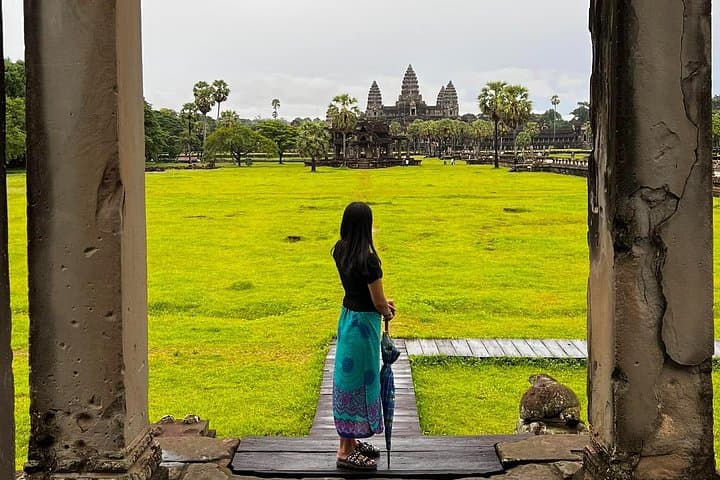
Dawn in Siem Reap arrives as a low, humid light over cracked laterite and the first stone faces of Angkor. You push off on a mountain bike as motorbikes begin their day, tires whispering over sandy service roads while the jungle seems to breathe around the temples. The route threads quiet east barays, temple causeways and shade where monkeys leap overhead.
Verified experiences and guided adventures in the surrounding area.
Operated by About Cambodia Travel & Tours · Siem Reap, Siem Reap Province
Dawn in Siem Reap arrives as a low, humid light over cracked laterite and the first stone faces of Angkor. You push off on a mountain bike as motorbikes begin their day, tires whispering over sandy service roads while the jungle seems to breathe around the temples. The route threads quiet east barays, temple causeways and shade where monkeys leap overhead.
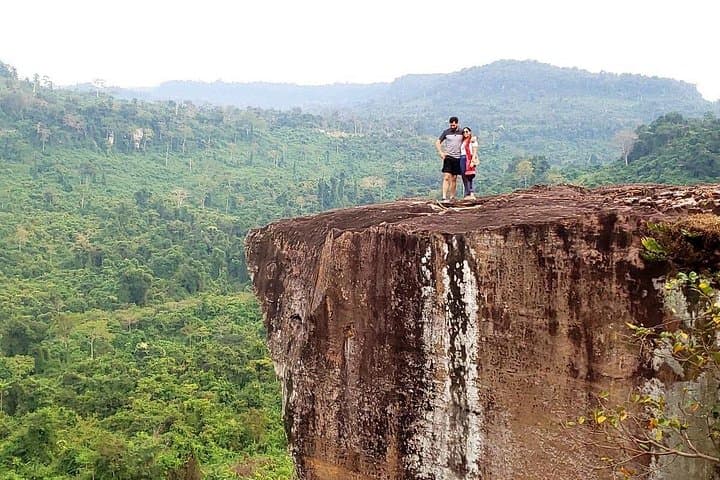
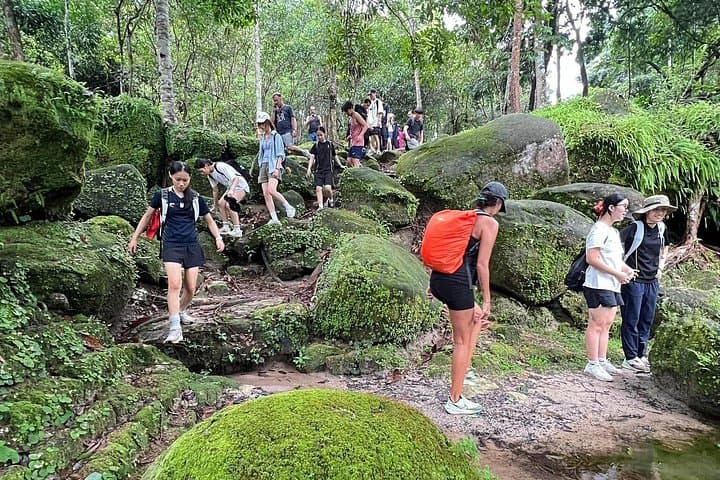
This nine-day itinerary pairs living history with physical rhythm: cycling circuits through Angkor’s main sites and quieter jungle temples (daily rides commonly 15–30 km), a boat crossing of Tonle Sap to see floating villages and visiting mangrove channels, and a rainforest trek on Phnom Kulen where the Valley of a Thousand Lingas gives way to a 15–25 m waterfall and a carved reclining Buddha. Angkor’s stones date to the Khmer Empire (9th–15th centuries); the geology is sandstone and laterite shaped by monsoon floods and centuries of human engineering. Cultural touchstones—pagodas, palm-sugar villages and artisan workshops—anchor the tour in living traditions.
Practically: expect a mix of paved roads, compact dirt, and forest tracks, and up to ~300 m cumulative ascent on jungle treks. Hydration, sun protection and a comfortable saddle matter more than technical gear. The boat sections demand basic sea-sense—currents can push you where the river wants to go—and bring insect repellent for evenings. Travel light, schedule early starts to avoid heat and the biggest crowds, and carry local cash for small village purchases.
Daily cycling is moderate: 15–30 km on mixed surfaces with plenty of stops; basic bike fitness and prior short rides of similar length are recommended.
Yes—swimming is common at designated pools below the falls, though water levels vary by season and you should follow guide directions for safe spots.
Yes; the tour indicates that sightseeing entrance tickets for Angkor Park are included in the package price.
In the wet season (roughly May–Oct) the lake expands dramatically and floating villages are fully waterborne; in the dry season water levels recede and the landscape changes, but boat access remains viable with different wildlife viewing opportunities.
About Cambodia Travel & Tours operates guided outdoor trips and adventures with an emphasis on safety, stewardship, and memorable experiences.

Dawn in Siem Reap arrives as a low, humid light over cracked laterite and the first stone faces of Angkor. You push off on a mountain bike as motorbikes begin their day, tires whispering over sandy service roads while the jungle seems to breathe around the temples. The route threads quiet east barays, temple causeways and shade where monkeys leap overhead.
Dawn in Siem Reap arrives as a low, humid light over cracked laterite and the first stone faces of Angkor. You push off on a mountain bike as motorbikes begin their day, tires whispering over sandy service roads while the jungle seems to breathe around the temples. The route threads quiet east barays, temple causeways and shade where monkeys leap overhead.
This nine-day itinerary pairs living history with physical rhythm: cycling circuits through Angkor’s main sites and quieter jungle temples (daily rides commonly 15–30 km), a boat crossing of Tonle Sap to see floating villages and visiting mangrove channels, and a rainforest trek on Phnom Kulen where the Valley of a Thousand Lingas gives way to a 15–25 m waterfall and a carved reclining Buddha. Angkor’s stones date to the Khmer Empire (9th–15th centuries); the geology is sandstone and laterite shaped by monsoon floods and centuries of human engineering. Cultural touchstones—pagodas, palm-sugar villages and artisan workshops—anchor the tour in living traditions.
Practically: expect a mix of paved roads, compact dirt, and forest tracks, and up to ~300 m cumulative ascent on jungle treks. Hydration, sun protection and a comfortable saddle matter more than technical gear. The boat sections demand basic sea-sense—currents can push you where the river wants to go—and bring insect repellent for evenings. Travel light, schedule early starts to avoid heat and the biggest crowds, and carry local cash for small village purchases.