THE ADVENTURE COLLECTIVE® · Independent discovery and booking for outdoor travel

A compact 6-day route from Phnom Penh’s stately Royal Palace to the jungle-clad temples of Angkor. Expect early sunrises, stone-carved history and a measured mix of cultural depth and natural relief.
A compact 6-day route from Phnom Penh’s stately Royal Palace to the jungle-clad temples of Angkor. Expect early sunrises, stone-carved history and a measured mix of cultural depth and natural relief.
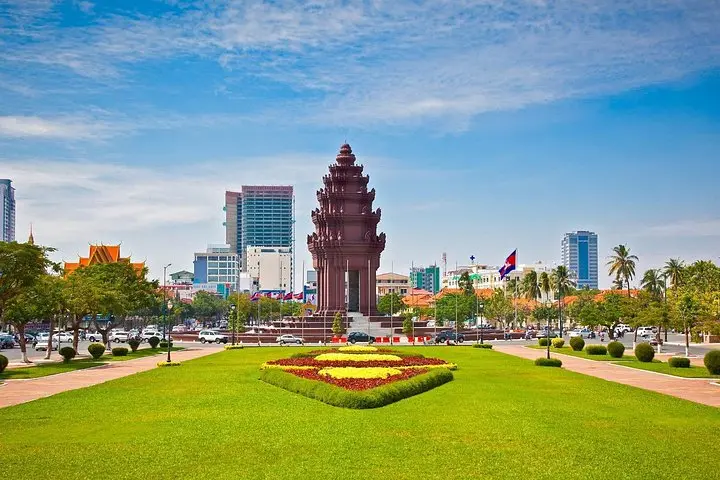
Dawn light washes the lotus pools in Phnom Penh as travelers step from a cool, air-conditioned van into a city where colonial boulevards meet Khmer roofs. The tour moves with purposeful calm — temples and memorials, markets and waterfalls — a sequence that reveals both Cambodia’s golden-age architecture and its recent, difficult history.
Verified experiences and guided adventures in the surrounding area.
Operated by Travel to Inspire · Siem Reap, Siem Reap Province
Dawn light washes the lotus pools in Phnom Penh as travelers step from a cool, air-conditioned van into a city where colonial boulevards meet Khmer roofs. The tour moves with purposeful calm — temples and memorials, markets and waterfalls — a sequence that reveals both Cambodia’s golden-age architecture and its recent, difficult history.
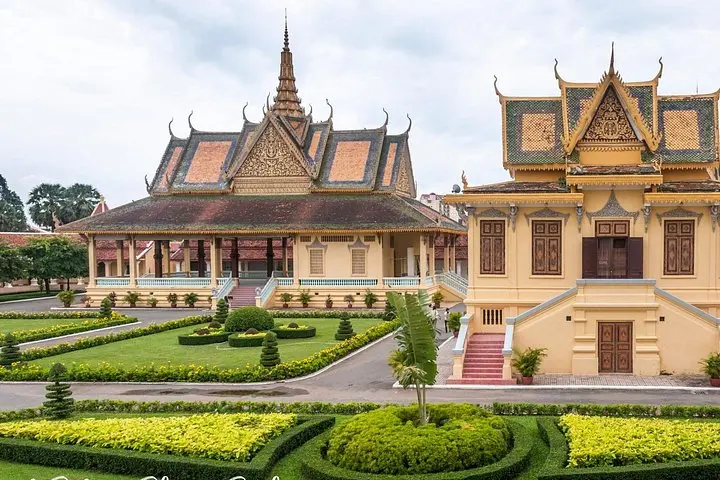
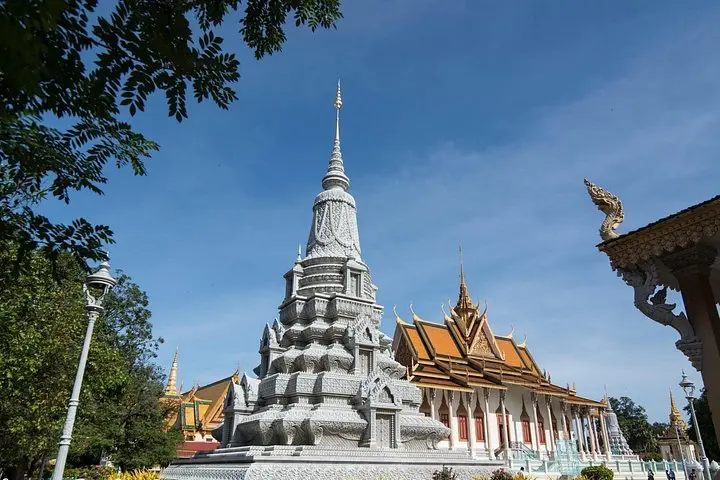
Phnom Penh’s Royal Palace and the National Museum showcase classical Khmer craftsmanship: gilded spires, carved lintels and stone Buddhas that echo the Angkorian era. The S-21 Museum and Killing Fields offer a sobering counterpoint, contextualizing modern Cambodia through spaces that hold memory and mourning. Heading northwest to Siem Reap, the landscape shifts from flat rice plains to the ancient stones of Angkor — sandstone blocks quarried and raised into towers, galleries and bas-reliefs that narrate gods, kings and daily life.
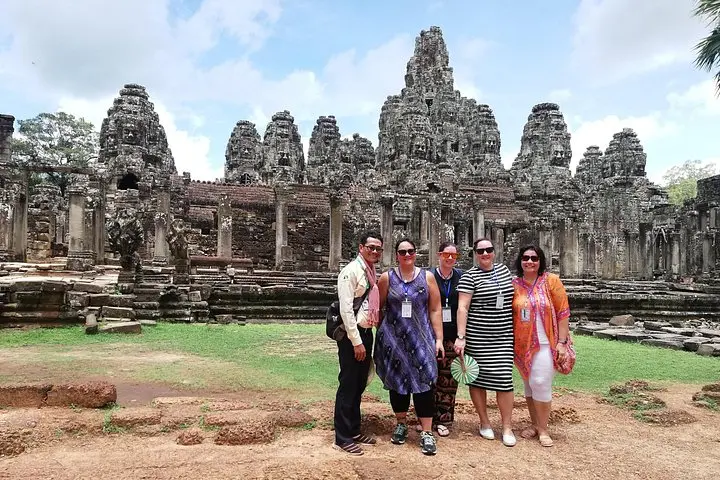
At Angkor Wat, Ta Prohm and Bayon, visitors trace the technical ingenuity of Khmer builders and the slow reclamation of forest: roots pry at walls, vines test mortar, and the jungle seems to challenge the ruins to hold fast. Kulen Mountain adds a natural chapter — carved riverbeds, a reclining Buddha and a waterfall cool enough to restart tired legs.
Practical guidance: expect early mornings for sunrises, daily walking on uneven stone and loose sand, and long transfers by private minivan. Carry water, sun protection and a modest dress code for temples. Entrance fees are included with the tour, but budget for lunches, tips and local crafts. Travel light, move deliberately, and let the ruins and stories set the pace.
Yes — the tour states all temple entrance tickets are included; keep your ticket safe as it’s required for re-entry.
Most nationalities require a tourist visa; e‑visa and visa-on-arrival options exist—check passport validity and requirements before travel.
The itinerary notes wheelchair accessibility in parts, but many temples have uneven steps and terrain; discuss specific needs with the operator before booking.
US dollars are widely accepted alongside Cambodian riel; carry small denominations in cash for markets and tips.
Travel to Inspire operates guided outdoor trips and adventures with an emphasis on safety, stewardship, and memorable experiences.
Dawn light washes the lotus pools in Phnom Penh as travelers step from a cool, air-conditioned van into a city where colonial boulevards meet Khmer roofs. The tour moves with purposeful calm — temples and memorials, markets and waterfalls — a sequence that reveals both Cambodia’s golden-age architecture and its recent, difficult history.
Dawn light washes the lotus pools in Phnom Penh as travelers step from a cool, air-conditioned van into a city where colonial boulevards meet Khmer roofs. The tour moves with purposeful calm — temples and memorials, markets and waterfalls — a sequence that reveals both Cambodia’s golden-age architecture and its recent, difficult history.
Phnom Penh’s Royal Palace and the National Museum showcase classical Khmer craftsmanship: gilded spires, carved lintels and stone Buddhas that echo the Angkorian era. The S-21 Museum and Killing Fields offer a sobering counterpoint, contextualizing modern Cambodia through spaces that hold memory and mourning. Heading northwest to Siem Reap, the landscape shifts from flat rice plains to the ancient stones of Angkor — sandstone blocks quarried and raised into towers, galleries and bas-reliefs that narrate gods, kings and daily life.
At Angkor Wat, Ta Prohm and Bayon, visitors trace the technical ingenuity of Khmer builders and the slow reclamation of forest: roots pry at walls, vines test mortar, and the jungle seems to challenge the ruins to hold fast. Kulen Mountain adds a natural chapter — carved riverbeds, a reclining Buddha and a waterfall cool enough to restart tired legs.
Practical guidance: expect early mornings for sunrises, daily walking on uneven stone and loose sand, and long transfers by private minivan. Carry water, sun protection and a modest dress code for temples. Entrance fees are included with the tour, but budget for lunches, tips and local crafts. Travel light, move deliberately, and let the ruins and stories set the pace.