THE ADVENTURE COLLECTIVE® · Independent discovery and booking for outdoor travel

Spend a half day outside Siem Reap learning Khmer kitchen techniques from market to pavilion. This hands‑on class includes a market tour, three dishes you cook yourself, tuk‑tuk pickup and a recipe booklet to take home.
Spend a half day outside Siem Reap learning Khmer kitchen techniques from market to pavilion. This hands‑on class includes a market tour, three dishes you cook yourself, tuk‑tuk pickup and a recipe booklet to take home.
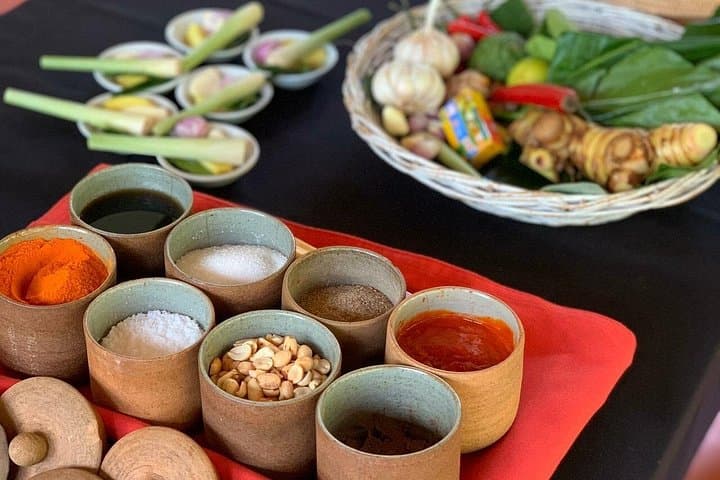
You step down from the tuk‑tuk into a swirl of steam and spice — a morning market where citrus, galangal and bundles of leafy herbs crowd wooden stalls. Vendors call out over the hum of motorbikes; a river of people and produce pushes you toward a purpose-built garden pavilion at the village edge.
Verified experiences and guided adventures in the surrounding area.
Operated by beyond. unique escapes · Siem Reap, Siem Reap Province
You step down from the tuk‑tuk into a swirl of steam and spice — a morning market where citrus, galangal and bundles of leafy herbs crowd wooden stalls. Vendors call out over the hum of motorbikes; a river of people and produce pushes you toward a purpose-built garden pavilion at the village edge.
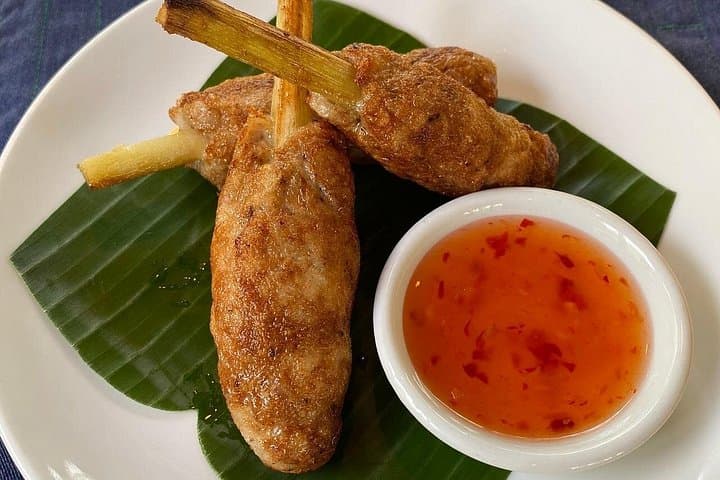
The class begins with a guided market walk that explains Cambodian staples: fragrant jasmine rice born of the Tonle Sap floodplain, pungent prahok, toasted coconut and palm sugar. Geology and climate shape the food here — seasonal floods replenish the plains and anchor rice cycles that have fed Khmer communities for centuries. The menu is deliberately local: fresh rice paper spring rolls, a mellow Cambodian curry, and bananas simmered in palm sugar for dessert.
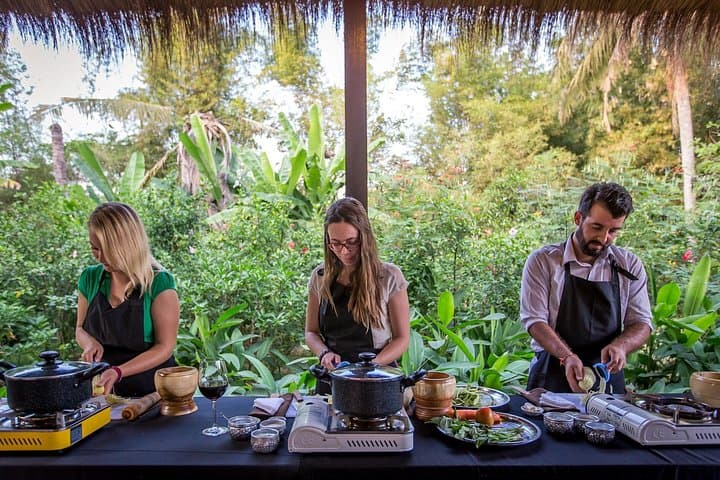
Instructors are local chefs who combine family recipes with practical techniques, so you learn knife skills, spice layering and the timing that keeps coconut milk from splitting. Cultural context is threaded through the lesson: meal rhythms, communal cooking roles and why certain herbs appear in every dish.
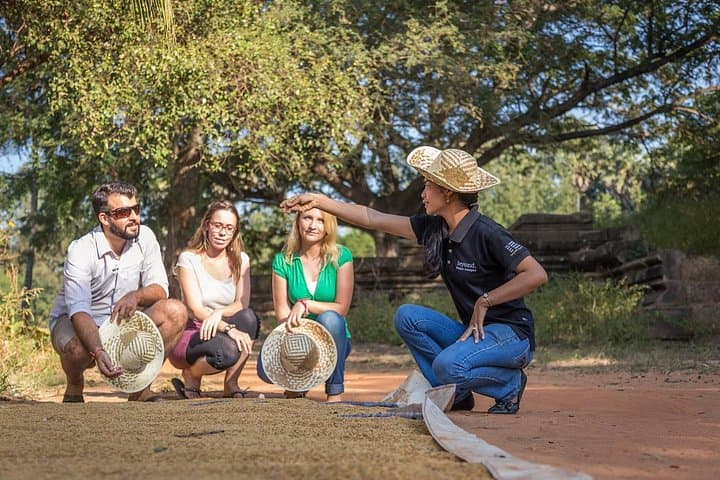
Practically speaking, expect a 3‑hour half‑day with hotel pickup by tuk‑tuk, bottled water, a cold towel and a take‑home recipe booklet. Small groups (up to eight) mean hands‑on stations; wear comfortable shoes for short dirt paths and bring a sun hat for the market. Vegetarian and allergy needs can usually be accommodated with advance notice. Leave with a full meal, fresh skills and recipes you can re-create at home.
Yes — pickup and drop‑off by tuk‑tuk from Siem Reap hotels is included; confirm your pickup point when booking.
Most dietary needs can be catered for if you advise at booking; the chef will suggest substitutions for fish sauce or protein.
Classes are typically conducted in English by local hosts; other languages may be available on request but are not guaranteed.
Yes — children can participate, but infants must sit on an adult’s lap and activities are best for kids old enough to follow basic kitchen safety.
beyond. unique escapes operates guided outdoor trips and adventures with an emphasis on safety, stewardship, and memorable experiences.
You step down from the tuk‑tuk into a swirl of steam and spice — a morning market where citrus, galangal and bundles of leafy herbs crowd wooden stalls. Vendors call out over the hum of motorbikes; a river of people and produce pushes you toward a purpose-built garden pavilion at the village edge.
You step down from the tuk‑tuk into a swirl of steam and spice — a morning market where citrus, galangal and bundles of leafy herbs crowd wooden stalls. Vendors call out over the hum of motorbikes; a river of people and produce pushes you toward a purpose-built garden pavilion at the village edge.
The class begins with a guided market walk that explains Cambodian staples: fragrant jasmine rice born of the Tonle Sap floodplain, pungent prahok, toasted coconut and palm sugar. Geology and climate shape the food here — seasonal floods replenish the plains and anchor rice cycles that have fed Khmer communities for centuries. The menu is deliberately local: fresh rice paper spring rolls, a mellow Cambodian curry, and bananas simmered in palm sugar for dessert.
Instructors are local chefs who combine family recipes with practical techniques, so you learn knife skills, spice layering and the timing that keeps coconut milk from splitting. Cultural context is threaded through the lesson: meal rhythms, communal cooking roles and why certain herbs appear in every dish.
Practically speaking, expect a 3‑hour half‑day with hotel pickup by tuk‑tuk, bottled water, a cold towel and a take‑home recipe booklet. Small groups (up to eight) mean hands‑on stations; wear comfortable shoes for short dirt paths and bring a sun hat for the market. Vegetarian and allergy needs can usually be accommodated with advance notice. Leave with a full meal, fresh skills and recipes you can re-create at home.