THE ADVENTURE COLLECTIVE® · Independent discovery and booking for outdoor travel

A guided 90–120 minute walk through Cambridge that focuses on the university’s Christian roots, scientific breakthroughs and college life. Expect riverside views, historic chapels and the chance to enter college courts when permissions allow.
A guided 90–120 minute walk through Cambridge that focuses on the university’s Christian roots, scientific breakthroughs and college life. Expect riverside views, historic chapels and the chance to enter college courts when permissions allow.
You step out onto cobbled streets and the air carries the low murmur of lectures and punt poles tapping the River Cam, which dares you to drift toward the colleges. The walking tour begins at the Round Church, its circular stone face older than the university itself, and threads through arcaded courts, gatehouses and riverside paths—each stop a chapter in Cambridge's long story.
Verified experiences and guided adventures in the surrounding area.
Operated by Christian Heritage Cambridge · Cambridge, Cambridgeshire
You step out onto cobbled streets and the air carries the low murmur of lectures and punt poles tapping the River Cam, which dares you to drift toward the colleges. The walking tour begins at the Round Church, its circular stone face older than the university itself, and threads through arcaded courts, gatehouses and riverside paths—each stop a chapter in Cambridge's long story.
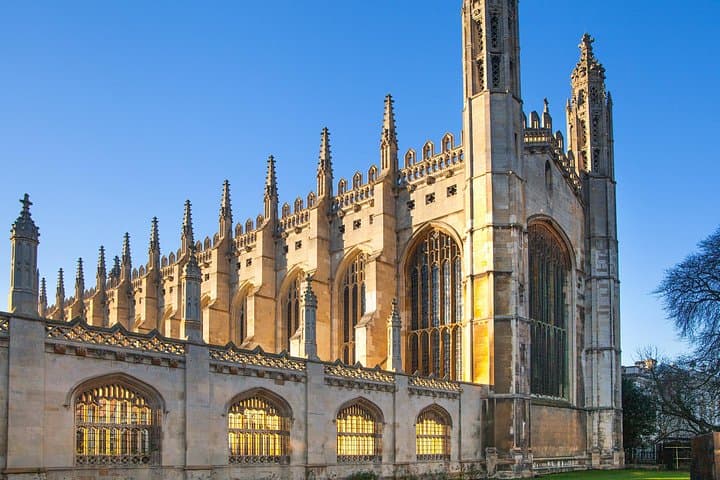
Founded in the early 13th century as scholars grouped around church institutions, Cambridge evolved into a network of autonomous colleges that hosted scientific revolutions and political movements. The route brushes medieval towers like St Bene't's (c.1020), passes the site of Newton's apple tree at Trinity and traces locations tied to reformers and abolitionists. Geologically, the flat fenland plain shapes the city: low-lying gravel terraces created the River Cam's broad, slow bends and the open greens of Parker's Piece.
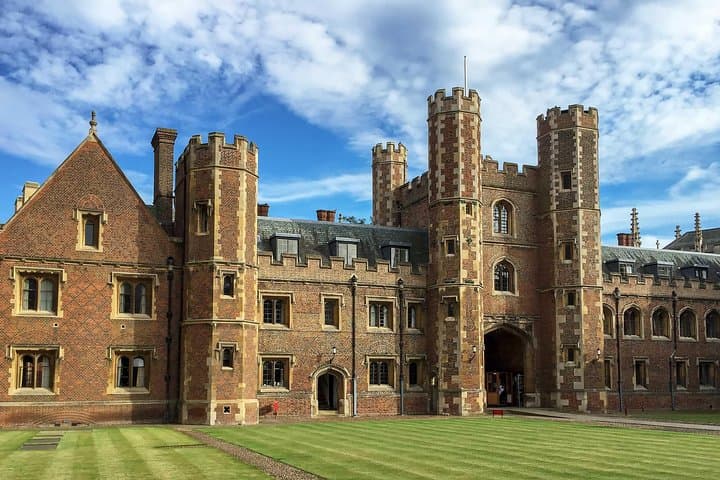
Culturally the tour emphasizes ideas: theology, the Reformation, the rise of modern science and literary connections. Local insight: exam terms restrict college access (late April–June), and guides balance public streets with permissions to enter a couple of college courts when available.
Practical guidance: expect 90–120 minutes of mostly flat walking at a moderate-to-brisk pace with periodic stops. Wear sturdy walking shoes, bring a light waterproof, and arrive 10 minutes early for check-in. Public transport clusters nearby; tours are suitable for most fitness levels but not recommended for limited mobility if college steps are included. Plan mornings or late afternoons for softer light and fewer crowds.
No—college entry depends on permissions and the university calendar; tours often enter one or two colleges but cannot guarantee access, especially during exam term.
Tours typically start at the Round Church; arrive at least 10 minutes early to check in and find the meeting point.
Children under 16 must be accompanied by an adult; strollers are possible on paved sections but some college courts have steps or uneven surfaces.
If minimum walker numbers aren’t met you’ll be offered an alternative date or a full refund; cancel at least 24 hours beforehand for a full refund.
Christian Heritage Cambridge operates guided outdoor trips and adventures with an emphasis on safety, stewardship, and memorable experiences.
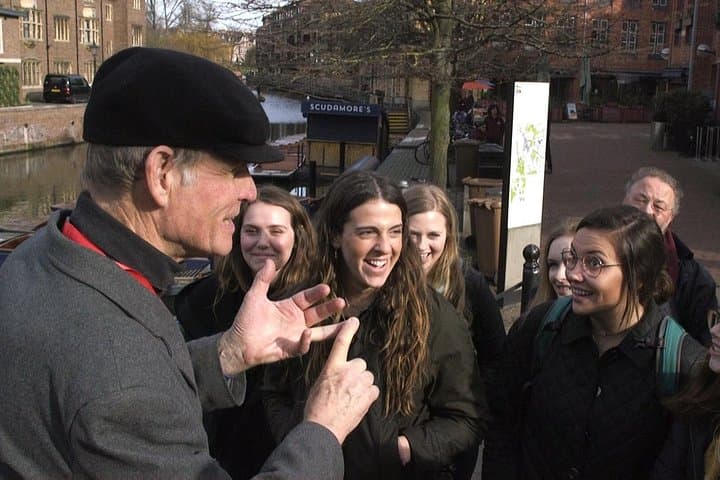
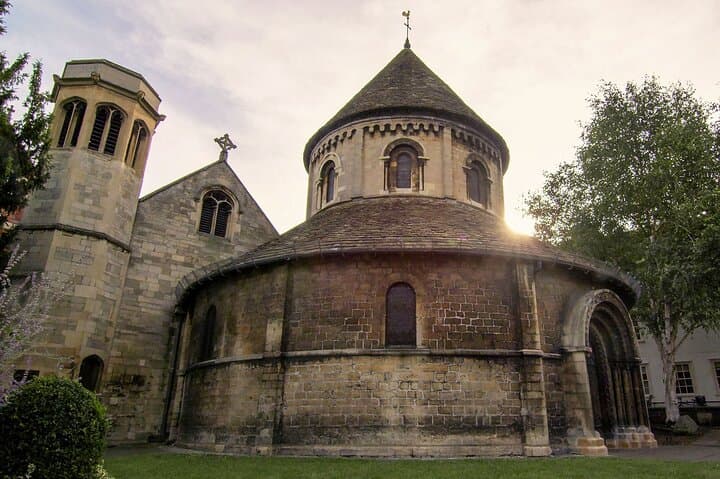
You step out onto cobbled streets and the air carries the low murmur of lectures and punt poles tapping the River Cam, which dares you to drift toward the colleges. The walking tour begins at the Round Church, its circular stone face older than the university itself, and threads through arcaded courts, gatehouses and riverside paths—each stop a chapter in Cambridge's long story.
You step out onto cobbled streets and the air carries the low murmur of lectures and punt poles tapping the River Cam, which dares you to drift toward the colleges. The walking tour begins at the Round Church, its circular stone face older than the university itself, and threads through arcaded courts, gatehouses and riverside paths—each stop a chapter in Cambridge's long story.
Founded in the early 13th century as scholars grouped around church institutions, Cambridge evolved into a network of autonomous colleges that hosted scientific revolutions and political movements. The route brushes medieval towers like St Bene't's (c.1020), passes the site of Newton's apple tree at Trinity and traces locations tied to reformers and abolitionists. Geologically, the flat fenland plain shapes the city: low-lying gravel terraces created the River Cam's broad, slow bends and the open greens of Parker's Piece.
Culturally the tour emphasizes ideas: theology, the Reformation, the rise of modern science and literary connections. Local insight: exam terms restrict college access (late April–June), and guides balance public streets with permissions to enter a couple of college courts when available.
Practical guidance: expect 90–120 minutes of mostly flat walking at a moderate-to-brisk pace with periodic stops. Wear sturdy walking shoes, bring a light waterproof, and arrive 10 minutes early for check-in. Public transport clusters nearby; tours are suitable for most fitness levels but not recommended for limited mobility if college steps are included. Plan mornings or late afternoons for softer light and fewer crowds.