THE ADVENTURE COLLECTIVE® · Independent discovery and booking for outdoor travel
Ride a slow camel caravan just outside Sousse and pair 90 minutes in the saddle with a 30-minute coffee and traditional bread tasting. This short excursion blends local culture, coastal dunes and hands-on village hospitality.
Ride a slow camel caravan just outside Sousse and pair 90 minutes in the saddle with a 30-minute coffee and traditional bread tasting. This short excursion blends local culture, coastal dunes and hands-on village hospitality.
Sun warms the scrub and salt-scented air off the Mediterranean as a single-file line of camels rises and falls across low dunes outside Sousse. Riders settle into the slow, rhythmic sway; the animal’s steady breath and padded footfalls set the pace for a two-hour circuit that pairs a 90-minute camel caravan with a 30-minute coffee and tabouna bread tasting at a nearby entertainment center.
Verified experiences and guided adventures in the surrounding area.
Operated by Tekiki Tours · Sousse, Sousse Governorate
Sun warms the scrub and salt-scented air off the Mediterranean as a single-file line of camels rises and falls across low dunes outside Sousse. Riders settle into the slow, rhythmic sway; the animal’s steady breath and padded footfalls set the pace for a two-hour circuit that pairs a 90-minute camel caravan with a 30-minute coffee and tabouna bread tasting at a nearby entertainment center.
This stretch of Tunisia has been a crossroads for Berber, Roman and Arab cultures — a working coastline where ancient caravan routes met coastal trade. Geologically the land is driven by coastal plain and sand deposits shaped by wind and seasonal rains; culturally, camel riding remains a living link to pastoral life and local hospitality. At the entertainment center, small animal enclosures, panoramic viewpoints and a bread-oven demonstration offer a practical window into village routines rather than staged spectacle.
Travelers can expect well-cared-for animals and organized group departures; the operator provides air-conditioned transfer to the site. The pace is gentle but mounting and dismounting require basic balance. Dress for sun, bring a small bottle of water and a camera with a steady strap: the light along the shore highlights ochre sand and whitewashed roofs.
Practical tips: arrive with loose layers for a cool morning breeze, shoes you can pull off to climb onto the camel, and a small tip for handlers if service is good. For travelers interested in low-impact visits, ask guides about animal care routines and avoid feeding livestock. The ride offers a quiet, tactile way to read the landscape and meet a long-standing local craft.
The overall activity is about 2 hours total: approximately 90 minutes on camels plus a 30-minute coffee and bread tasting.
Yes; the operator notes the activity is suitable for all fitness levels, but mounting and sitting for the ride require basic mobility and balance.
Air-conditioned transport is listed as an inclusion; confirm pickup point when booking as some departures use centralized meeting locations.
The program typically includes the camel/carriage ride, the coffee break with traditional tabouna bread, and access to the entertainment center; extras like drinks and souvenir photos may cost more.
Tekiki Tours operates guided outdoor trips and adventures with an emphasis on safety, stewardship, and memorable experiences.
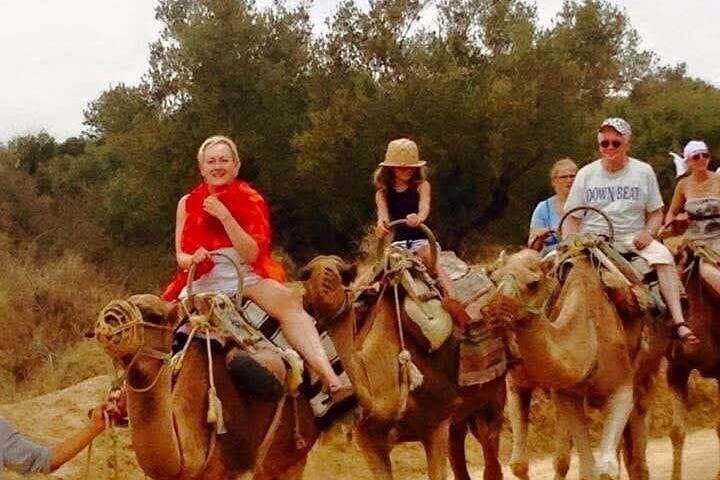
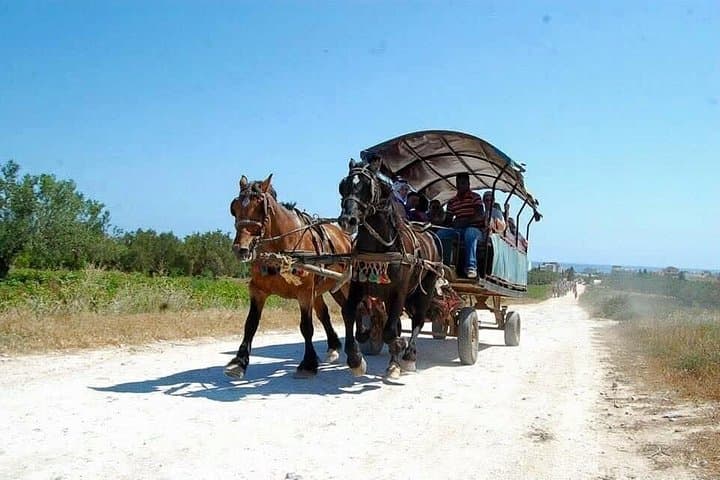
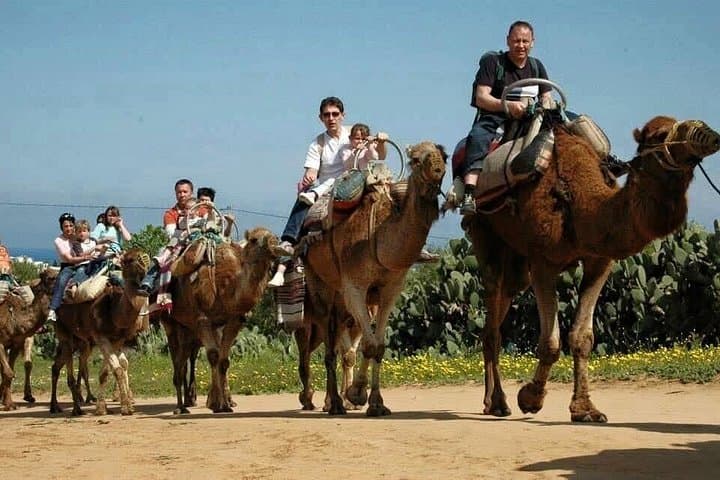
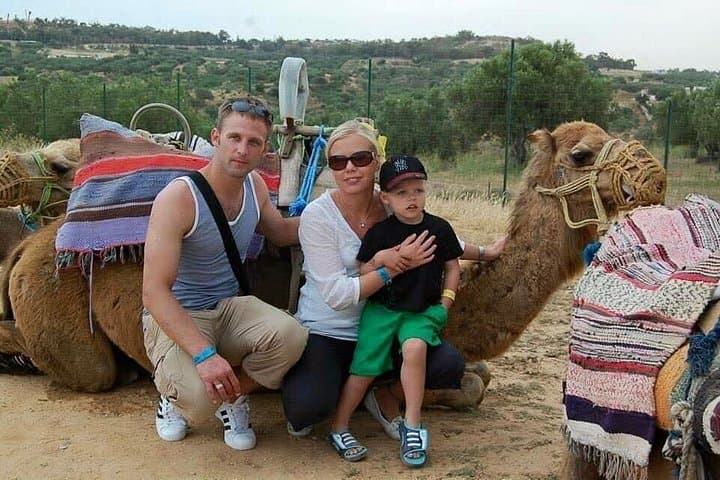
Sun warms the scrub and salt-scented air off the Mediterranean as a single-file line of camels rises and falls across low dunes outside Sousse. Riders settle into the slow, rhythmic sway; the animal’s steady breath and padded footfalls set the pace for a two-hour circuit that pairs a 90-minute camel caravan with a 30-minute coffee and tabouna bread tasting at a nearby entertainment center.
Sun warms the scrub and salt-scented air off the Mediterranean as a single-file line of camels rises and falls across low dunes outside Sousse. Riders settle into the slow, rhythmic sway; the animal’s steady breath and padded footfalls set the pace for a two-hour circuit that pairs a 90-minute camel caravan with a 30-minute coffee and tabouna bread tasting at a nearby entertainment center.
This stretch of Tunisia has been a crossroads for Berber, Roman and Arab cultures — a working coastline where ancient caravan routes met coastal trade. Geologically the land is driven by coastal plain and sand deposits shaped by wind and seasonal rains; culturally, camel riding remains a living link to pastoral life and local hospitality. At the entertainment center, small animal enclosures, panoramic viewpoints and a bread-oven demonstration offer a practical window into village routines rather than staged spectacle.
Travelers can expect well-cared-for animals and organized group departures; the operator provides air-conditioned transfer to the site. The pace is gentle but mounting and dismounting require basic balance. Dress for sun, bring a small bottle of water and a camera with a steady strap: the light along the shore highlights ochre sand and whitewashed roofs.
Practical tips: arrive with loose layers for a cool morning breeze, shoes you can pull off to climb onto the camel, and a small tip for handlers if service is good. For travelers interested in low-impact visits, ask guides about animal care routines and avoid feeding livestock. The ride offers a quiet, tactile way to read the landscape and meet a long-standing local craft.
