THE ADVENTURE COLLECTIVE® · Independent discovery and booking for outdoor travel

Ride a camel or horse across the Giza Plateau at sunrise or sunset for close, cinematic views of Khufu, Khafre and Menkaure. This guided one-hour saddle experience—part of a roughly four-hour tour with transfers—pairs striking perspectives with practical access and local insight.
Ride a camel or horse across the Giza Plateau at sunrise or sunset for close, cinematic views of Khufu, Khafre and Menkaure. This guided one-hour saddle experience—part of a roughly four-hour tour with transfers—pairs striking perspectives with practical access and local insight.
The sand opens up beneath your mount as dawn paints the Pyramid Plateau gold. Riders move in single file—camels swaying with their slow, patient gait; horses stepping more directly—while the three great pyramids rise like weathered architects above the horizon. Wind carries fine grit that dares you to keep your camera steady and your senses sharp.
Verified experiences and guided adventures in the surrounding area.
Operated by This Is Egypt · Giza, Giza Governorate
The sand opens up beneath your mount as dawn paints the Pyramid Plateau gold. Riders move in single file—camels swaying with their slow, patient gait; horses stepping more directly—while the three great pyramids rise like weathered architects above the horizon. Wind carries fine grit that dares you to keep your camera steady and your senses sharp.
These monuments—Khufu, Khafre and Menkaure—date to the Fourth Dynasty (around 2600–2500 BCE). The plateau sits on Tura limestone with ancient quarries nearby; the pyramids' outer casing once shone under an unbroken desert sun. The living culture around Giza blends modern Cairo rhythms with long-standing desert livelihoods: camel handlers, guide traditions and vendors who have read visitors’ expectations for generations.
Expect one hour in the saddle during a roughly four-hour excursion that includes hotel transfers and brief stops for photos. The ride offers clear sightlines to the Sphinx and close-up perspectives not possible from the road; the plateau’s exposed geology and low scrub reveal how the landscape shaped ancient construction choices.
Practical guidance: wear closed-toe shoes and breathable layers, protect skin and eyes from sun and sand, and arrive with a valid ID for site access. Respect restricted zones—climbing pyramids is illegal and damages fragile stone. Bring cash for tips and small purchases; bottled water is supplied but carry a re-fillable bottle where feasible. Choose sunrise for cooler light and fewer crowds, sunset for dramatic silhouettes—either way the plateau rewards quiet attention.
The saddle portion lasts about one hour; transfers, photo stops and logistics make the total excursion roughly four hours.
Yes—operators generally cater to all fitness levels; staff assist with mounting and offer basic instructions, but disclose health or mobility issues when booking.
No—climbing the pyramids is prohibited and enforced by authorities; expect designated photo zones only.
Yes—small tips for handlers and guides are common; carry small local-currency bills for gratuities and incidental purchases.
This Is Egypt operates guided outdoor trips and adventures with an emphasis on safety, stewardship, and memorable experiences.
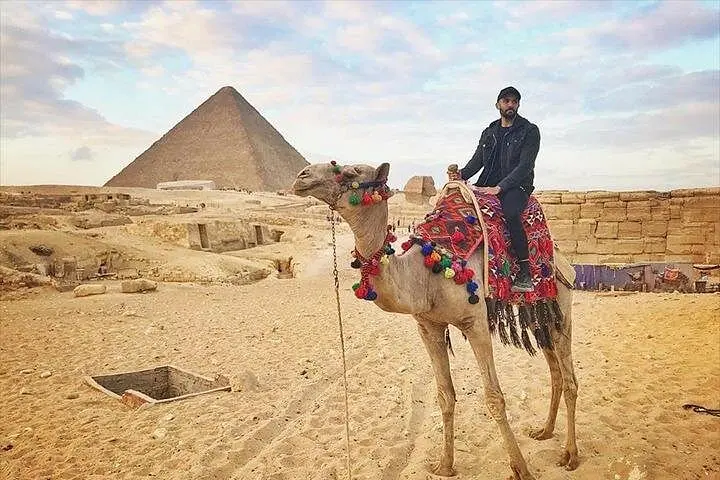
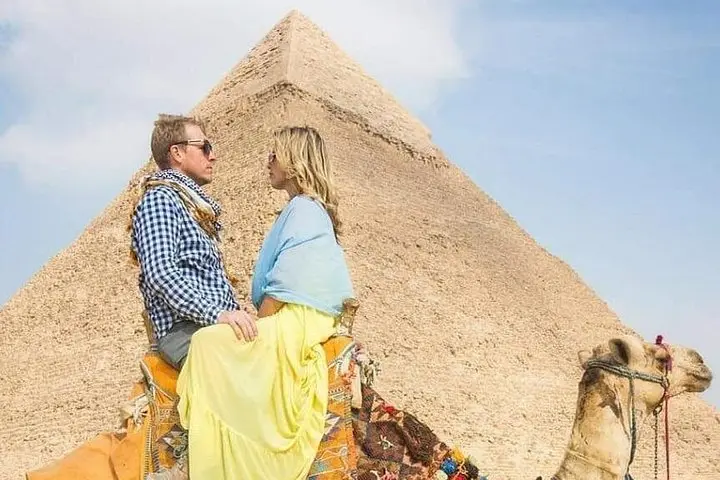
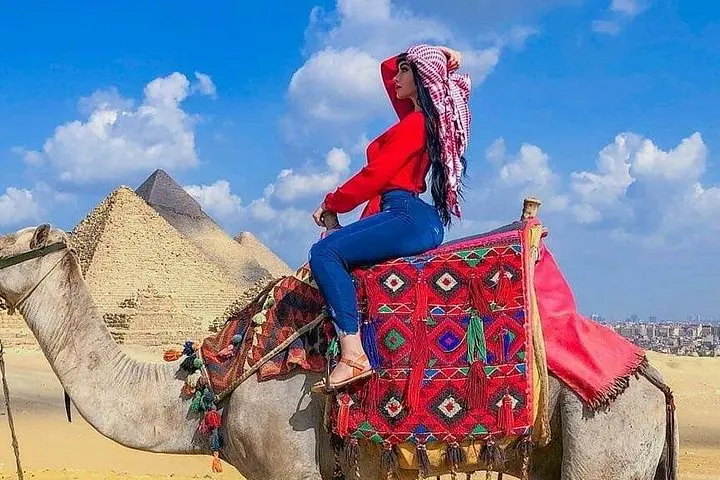
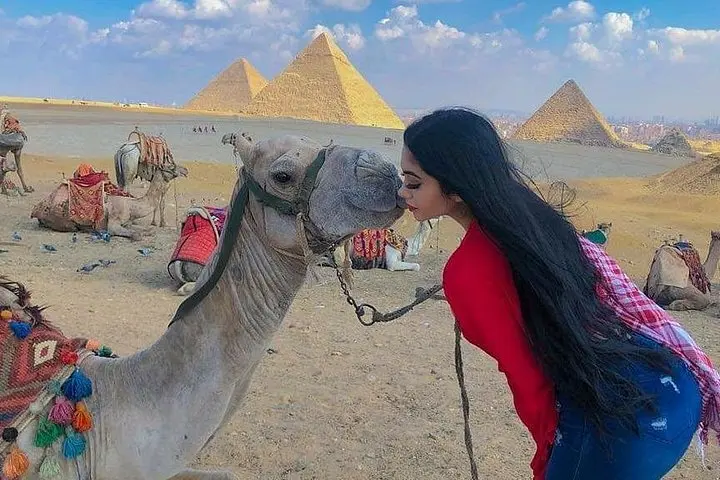
The sand opens up beneath your mount as dawn paints the Pyramid Plateau gold. Riders move in single file—camels swaying with their slow, patient gait; horses stepping more directly—while the three great pyramids rise like weathered architects above the horizon. Wind carries fine grit that dares you to keep your camera steady and your senses sharp.
The sand opens up beneath your mount as dawn paints the Pyramid Plateau gold. Riders move in single file—camels swaying with their slow, patient gait; horses stepping more directly—while the three great pyramids rise like weathered architects above the horizon. Wind carries fine grit that dares you to keep your camera steady and your senses sharp.
These monuments—Khufu, Khafre and Menkaure—date to the Fourth Dynasty (around 2600–2500 BCE). The plateau sits on Tura limestone with ancient quarries nearby; the pyramids' outer casing once shone under an unbroken desert sun. The living culture around Giza blends modern Cairo rhythms with long-standing desert livelihoods: camel handlers, guide traditions and vendors who have read visitors’ expectations for generations.
Expect one hour in the saddle during a roughly four-hour excursion that includes hotel transfers and brief stops for photos. The ride offers clear sightlines to the Sphinx and close-up perspectives not possible from the road; the plateau’s exposed geology and low scrub reveal how the landscape shaped ancient construction choices.
Practical guidance: wear closed-toe shoes and breathable layers, protect skin and eyes from sun and sand, and arrive with a valid ID for site access. Respect restricted zones—climbing pyramids is illegal and damages fragile stone. Bring cash for tips and small purchases; bottled water is supplied but carry a re-fillable bottle where feasible. Choose sunrise for cooler light and fewer crowds, sunset for dramatic silhouettes—either way the plateau rewards quiet attention.