THE ADVENTURE COLLECTIVE® · Independent discovery and booking for outdoor travel

Ride a camel around the Great Pyramids on a private half-day tour that combines panoramic desert views with guided history of the Fourth Dynasty. Learn what to expect, how to prepare, and the practical details for a safe, memorable visit to the Giza Plateau.
Ride a camel around the Great Pyramids on a private half-day tour that combines panoramic desert views with guided history of the Fourth Dynasty. Learn what to expect, how to prepare, and the practical details for a safe, memorable visit to the Giza Plateau.
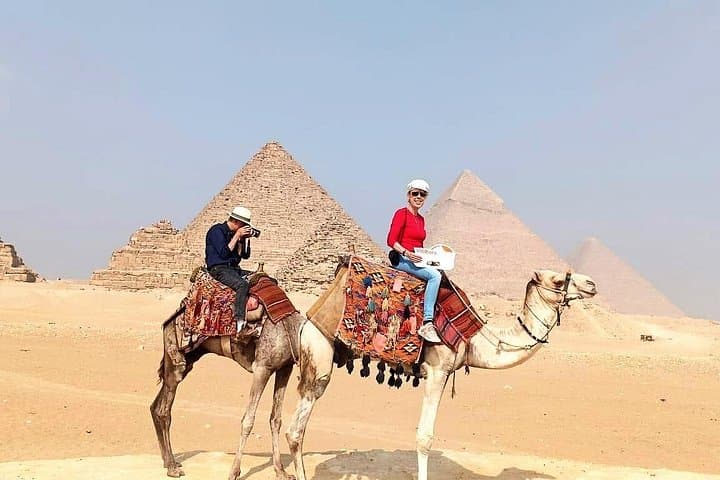
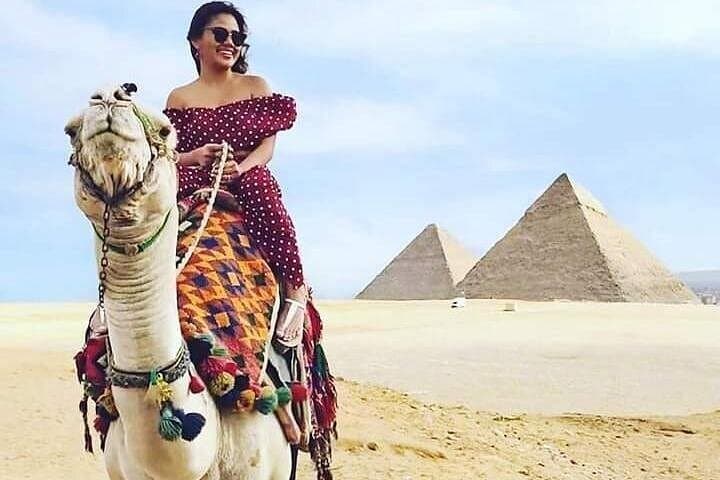
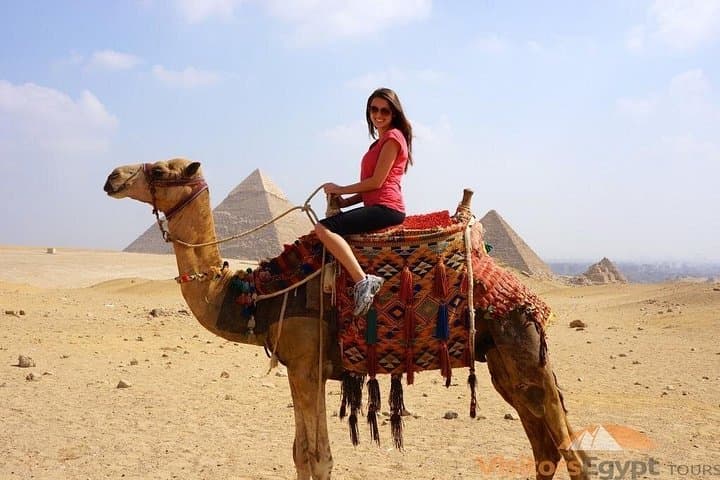
You step from the air-conditioned van onto the hot stone of the Giza Plateau and the desert seems to lean in — wind lifting grit against sandstone and the silhouettes of Cheops, Chephren and Mykerinus cutting the sky.
Verified experiences and guided adventures in the surrounding area.
Operated by Visitors Egypt Tours · Giza, Giza Governorate
You step from the air-conditioned van onto the hot stone of the Giza Plateau and the desert seems to lean in — wind lifting grit against sandstone and the silhouettes of Cheops, Chephren and Mykerinus cutting the sky.
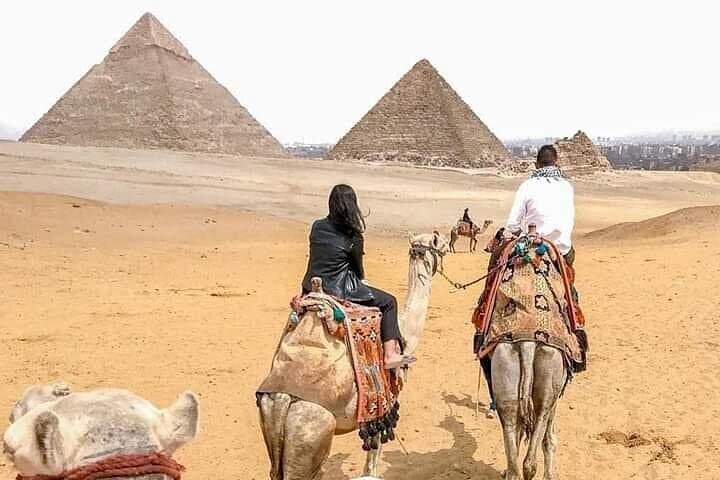
This half-day camel tour threads you along gentle ridgelines and compacted sand below the Sphinx and the Valley Temple. The plateau is a slab of Eocene limestone and wind-polished sand that once rang with quarrymen’s voices; the pyramids date to the Fourth Dynasty (around 2560 BCE) and were built as monumental burial complexes for pharaohs and their retinues.
As your camel ambles, your guide layers in stories you won’t find in guidebooks, from ritual processions to the ancient logistics of moving massive limestone blocks. The Sphinx watches on, its weathered face a product of millennia of wind and human hands.
Expect slow, rhythmic riding over packed desert trails, short walking stretches, and wide-open sightlines perfect for photography at low sun. The route covers a compact area of the plateau; footing can be uneven and dusty, and occasional gusts will push sand into clothing and gear.
Practical notes: bring sturdy closed-toe shoes, sun protection, and at least 1–2 liters of water; communicate any back issues in advance—this activity isn’t recommended for spinal injuries. The tour usually includes transfers, entrance fees, a guide, and lunch, and can be run on horse instead of camel if preferred. Move deliberately here: the desert is patient but unforgiving of poor preparation.
Yes — this tour’s inclusions list entrance fees to the Giza Plateau and associated sites as part of the package.
Generally suitable for all ages, though small children should be supervised and anyone with back issues should avoid riding; mounts are controlled by handlers.
Yes — the operator notes horse rides are available on request; confirm at booking for equipment and handler availability.
The tour lists wheelchair accessibility for transfers, but camel riding itself requires mounting and dismounting and may not be suitable for full wheelchair users.
Visitors Egypt Tours operates guided outdoor trips and adventures with an emphasis on safety, stewardship, and memorable experiences.
You step from the air-conditioned van onto the hot stone of the Giza Plateau and the desert seems to lean in — wind lifting grit against sandstone and the silhouettes of Cheops, Chephren and Mykerinus cutting the sky.
You step from the air-conditioned van onto the hot stone of the Giza Plateau and the desert seems to lean in — wind lifting grit against sandstone and the silhouettes of Cheops, Chephren and Mykerinus cutting the sky.
This half-day camel tour threads you along gentle ridgelines and compacted sand below the Sphinx and the Valley Temple. The plateau is a slab of Eocene limestone and wind-polished sand that once rang with quarrymen’s voices; the pyramids date to the Fourth Dynasty (around 2560 BCE) and were built as monumental burial complexes for pharaohs and their retinues.
As your camel ambles, your guide layers in stories you won’t find in guidebooks, from ritual processions to the ancient logistics of moving massive limestone blocks. The Sphinx watches on, its weathered face a product of millennia of wind and human hands.
Expect slow, rhythmic riding over packed desert trails, short walking stretches, and wide-open sightlines perfect for photography at low sun. The route covers a compact area of the plateau; footing can be uneven and dusty, and occasional gusts will push sand into clothing and gear.
Practical notes: bring sturdy closed-toe shoes, sun protection, and at least 1–2 liters of water; communicate any back issues in advance—this activity isn’t recommended for spinal injuries. The tour usually includes transfers, entrance fees, a guide, and lunch, and can be run on horse instead of camel if preferred. Move deliberately here: the desert is patient but unforgiving of poor preparation.