THE ADVENTURE COLLECTIVE® · Independent discovery and booking for outdoor travel

Ride a camel around the Giza Plateau at sunset and watch the Great Pyramid and Sphinx grow in scale as the light shifts. This five‑hour private tour pairs panoramic viewpoints with guide-led history and practical tips for navigating the desert heat.
Ride a camel around the Giza Plateau at sunset and watch the Great Pyramid and Sphinx grow in scale as the light shifts. This five‑hour private tour pairs panoramic viewpoints with guide-led history and practical tips for navigating the desert heat.
Dust lifts in thin curtains as the camel column moves across the plateau, the sun lowering behind three geometric shoulders that have watched millennia pass. On this five‑hour loop around the Giza Pyramids, the animals almost glide; the sand hisses, and the monuments grow in scale with every step. Guides pause for vantage points where the Great Pyramid, Khafre’s compact silhouette and the smaller Menkaure frame the skyline like deliberate markers.
Verified experiences and guided adventures in the surrounding area.
Operated by Three Pyramids Tours · Giza, Cairo Governorate
Dust lifts in thin curtains as the camel column moves across the plateau, the sun lowering behind three geometric shoulders that have watched millennia pass. On this five‑hour loop around the Giza Pyramids, the animals almost glide; the sand hisses, and the monuments grow in scale with every step. Guides pause for vantage points where the Great Pyramid, Khafre’s compact silhouette and the smaller Menkaure frame the skyline like deliberate markers.
The plateau is a living palimpsest: Pharaonic quarrying, later Islamic cemeteries and modern Cairo peering over the edge. Geologically the site sits on Eocene limestone; blocks hewn from nearby beds became the very ramps on which ancient labor built the pyramids. Culturally, the Sphinx and adjacent necropolis were ritual centers tied to royal afterlife beliefs—guides recount pharaohic lives while local camel handlers speak a present shaped by tourism and tradition.
Practically, expect short, steady camel stints and flat, sandy walking between photo stops; terrain is compacted desert with loose sand patches. Sunrise and sunset offer the best light and cooler temperatures—midday is hot and glaring. Wear closed shoes for stability, sun protection, and bring small Egyptian pounds for tips and water purchases. Respect local customs: ask before photographing handlers and avoid climbing monuments—Egyptian authorities and guides enforce no‑climb rules.
This tour blends a kinetic way to view the pyramids with concise cultural context, ideal for visitors who want a tactile connection to the landscape and a structured, private outing from Cairo.
The overall tour is five hours, with camel riding segments typically totaling 45–90 minutes spread across the visit and photo stops.
Yes; the tour is marketed as suitable for all fitness levels but isn’t recommended for people with serious spinal problems—confirm with the operator before booking.
No; climbing is prohibited and subject to fines—stay on designated viewing areas and follow your guide’s instructions.
This tour description states admission is included; confirm at booking and carry ID for entrance procedures.
Three Pyramids Tours operates guided outdoor trips and adventures with an emphasis on safety, stewardship, and memorable experiences.
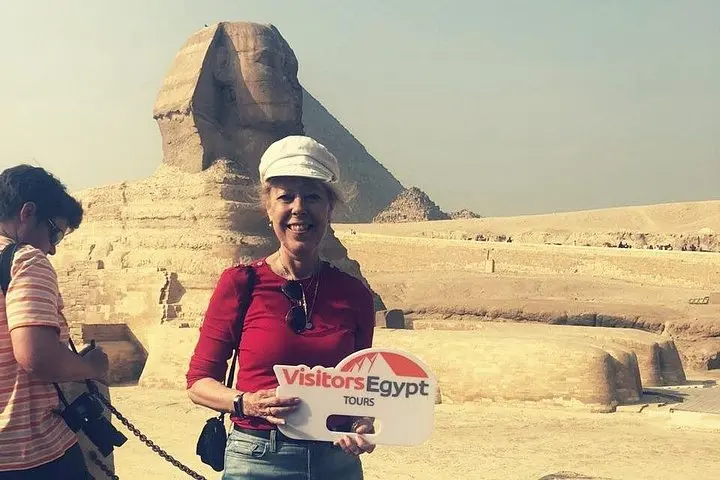
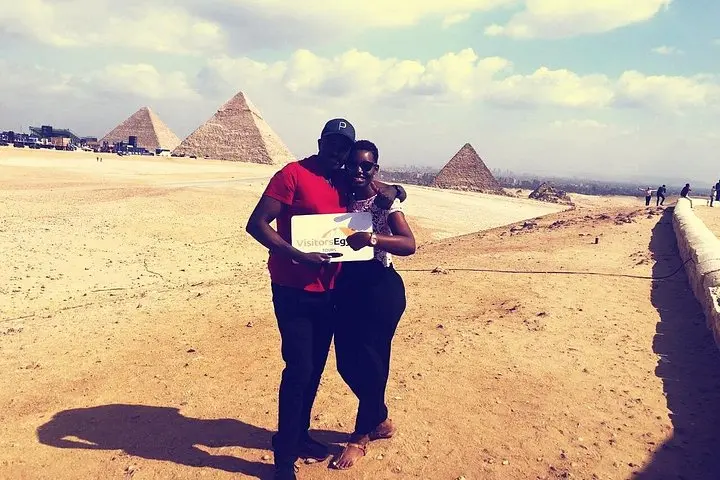
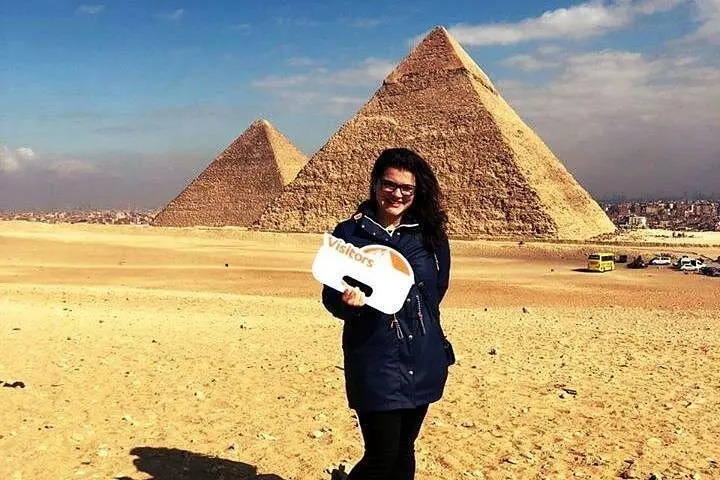
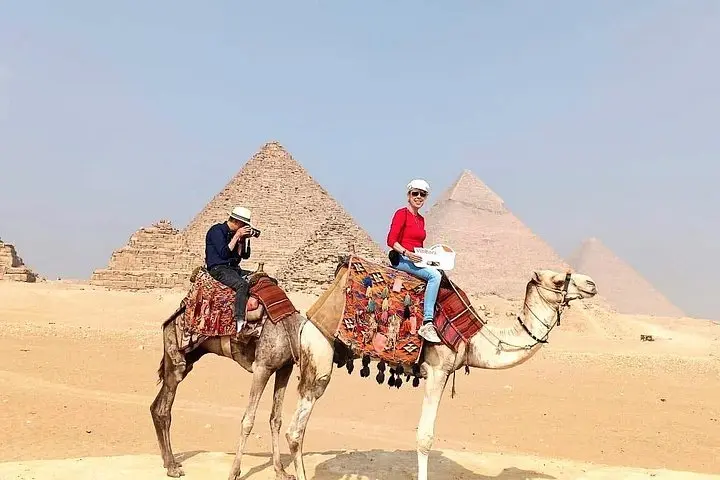
Dust lifts in thin curtains as the camel column moves across the plateau, the sun lowering behind three geometric shoulders that have watched millennia pass. On this five‑hour loop around the Giza Pyramids, the animals almost glide; the sand hisses, and the monuments grow in scale with every step. Guides pause for vantage points where the Great Pyramid, Khafre’s compact silhouette and the smaller Menkaure frame the skyline like deliberate markers.
Dust lifts in thin curtains as the camel column moves across the plateau, the sun lowering behind three geometric shoulders that have watched millennia pass. On this five‑hour loop around the Giza Pyramids, the animals almost glide; the sand hisses, and the monuments grow in scale with every step. Guides pause for vantage points where the Great Pyramid, Khafre’s compact silhouette and the smaller Menkaure frame the skyline like deliberate markers.
The plateau is a living palimpsest: Pharaonic quarrying, later Islamic cemeteries and modern Cairo peering over the edge. Geologically the site sits on Eocene limestone; blocks hewn from nearby beds became the very ramps on which ancient labor built the pyramids. Culturally, the Sphinx and adjacent necropolis were ritual centers tied to royal afterlife beliefs—guides recount pharaohic lives while local camel handlers speak a present shaped by tourism and tradition.
Practically, expect short, steady camel stints and flat, sandy walking between photo stops; terrain is compacted desert with loose sand patches. Sunrise and sunset offer the best light and cooler temperatures—midday is hot and glaring. Wear closed shoes for stability, sun protection, and bring small Egyptian pounds for tips and water purchases. Respect local customs: ask before photographing handlers and avoid climbing monuments—Egyptian authorities and guides enforce no‑climb rules.
This tour blends a kinetic way to view the pyramids with concise cultural context, ideal for visitors who want a tactile connection to the landscape and a structured, private outing from Cairo.