THE ADVENTURE COLLECTIVE® · Independent discovery and booking for outdoor travel

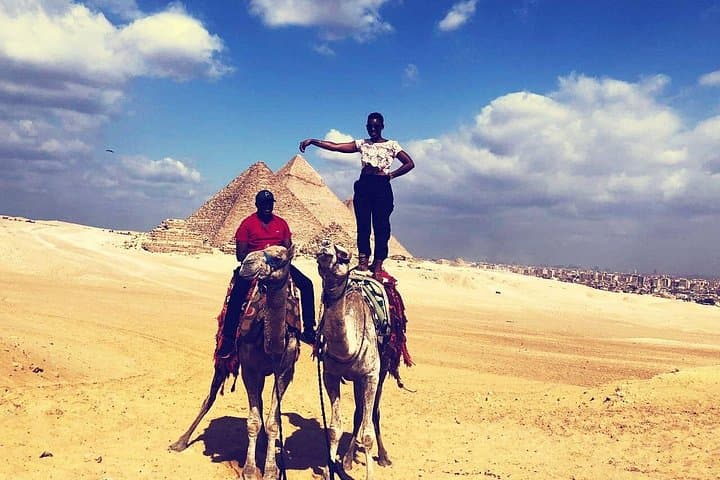
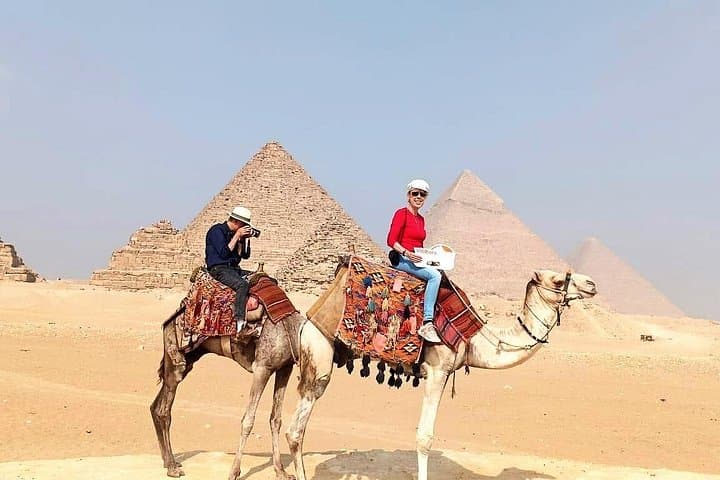
Mount a camel and move slowly across the Giza plateau, with panoramic views of the Great Pyramids and the Sphinx. This guided tour links modern Cairo to ancient pharaonic sites—ideal for travelers seeking a low-effort, high-impact desert experience.
Mount a camel and move slowly across the Giza plateau, with panoramic views of the Great Pyramids and the Sphinx. This guided tour links modern Cairo to ancient pharaonic sites—ideal for travelers seeking a low-effort, high-impact desert experience.
You step from an air-conditioned transfer into heat that makes the stone glow; a single camel waits, patient and sure, as the Great Pyramid rises like a stacked horizon. The animal's gait sets the pace—steady, rhythmic—while the desert around Giza presses and releases under your feet, the Sphinx watching from its carved stance.
Verified experiences and guided adventures in the surrounding area.
Operated by Visitors Egypt Tours · Giza, Cairo Governorate
You step from an air-conditioned transfer into heat that makes the stone glow; a single camel waits, patient and sure, as the Great Pyramid rises like a stacked horizon. The animal's gait sets the pace—steady, rhythmic—while the desert around Giza presses and releases under your feet, the Sphinx watching from its carved stance.
The plateau you traverse holds fourth-dynasty tombs dating to roughly 2600 BCE; the pyramids are funerary monuments cut from local limestone and capped once with polished casing. Geologically, the bedrock is fossiliferous limestone laid down in a warm shallow sea, now hosting human-made geometry that realigns wind and sand. Culturally, this ride threads modern Cairo to pharaonic ceremony: guides on these routes often pass down oral details and local lore that aren't in guidebooks.
Expect panoramic photo opportunities of Khufu, Khafre and Menkaure, and a close approach to the Valley Temple and Sphinx. The terrain is firm sand and level desert plain—comfortable for a short mounted tour but uneven for long walks.
Practical notes: wear closed-toe shoes, sun protection and carry water. Rides typically include transfers and a guide; tipping handlers and guides is customary. Avoid climbing or touching ancient masonry—it's both illegal and damaging. Morning or late-afternoon departures reduce heat and harsh light for photos. If you prefer, operators often offer a horse instead of a camel; mention mobility or spinal concerns when booking. With basic preparations, the camel ride is a low-effort way to experience one of the world's oldest landscapes in a living, human-paced rhythm.
Yes; camels used for tourist rides are handled by experienced staff and the pace is steady, but inform the operator of spinal or mobility issues beforehand.
Most tours include air-conditioned transfers—confirm pickup location and time when booking to coordinate flights or morning plans.
Photography is allowed in the open areas; avoid using drones without special permits and do not cross barriers to get closer to monuments.
Tipping guides and camel handlers is customary in Egypt; bring small denominations of local currency to tip for service.
Visitors Egypt Tours operates guided outdoor trips and adventures with an emphasis on safety, stewardship, and memorable experiences.


You step from an air-conditioned transfer into heat that makes the stone glow; a single camel waits, patient and sure, as the Great Pyramid rises like a stacked horizon. The animal's gait sets the pace—steady, rhythmic—while the desert around Giza presses and releases under your feet, the Sphinx watching from its carved stance.
You step from an air-conditioned transfer into heat that makes the stone glow; a single camel waits, patient and sure, as the Great Pyramid rises like a stacked horizon. The animal's gait sets the pace—steady, rhythmic—while the desert around Giza presses and releases under your feet, the Sphinx watching from its carved stance.
The plateau you traverse holds fourth-dynasty tombs dating to roughly 2600 BCE; the pyramids are funerary monuments cut from local limestone and capped once with polished casing. Geologically, the bedrock is fossiliferous limestone laid down in a warm shallow sea, now hosting human-made geometry that realigns wind and sand. Culturally, this ride threads modern Cairo to pharaonic ceremony: guides on these routes often pass down oral details and local lore that aren't in guidebooks.
Expect panoramic photo opportunities of Khufu, Khafre and Menkaure, and a close approach to the Valley Temple and Sphinx. The terrain is firm sand and level desert plain—comfortable for a short mounted tour but uneven for long walks.
Practical notes: wear closed-toe shoes, sun protection and carry water. Rides typically include transfers and a guide; tipping handlers and guides is customary. Avoid climbing or touching ancient masonry—it's both illegal and damaging. Morning or late-afternoon departures reduce heat and harsh light for photos. If you prefer, operators often offer a horse instead of a camel; mention mobility or spinal concerns when booking. With basic preparations, the camel ride is a low-effort way to experience one of the world's oldest landscapes in a living, human-paced rhythm.