THE ADVENTURE COLLECTIVE® · Independent discovery and booking for outdoor travel

Ride a camel across the West Bank of Luxor at sunrise or sunset to watch sand, Nile and temples shift in the light. This two-hour experience pairs gentle dune climbs with views of the Ramesseum, Habu and Hatshepsut Temple.
Ride a camel across the West Bank of Luxor at sunrise or sunset to watch sand, Nile and temples shift in the light. This two-hour experience pairs gentle dune climbs with views of the Ramesseum, Habu and Hatshepsut Temple.
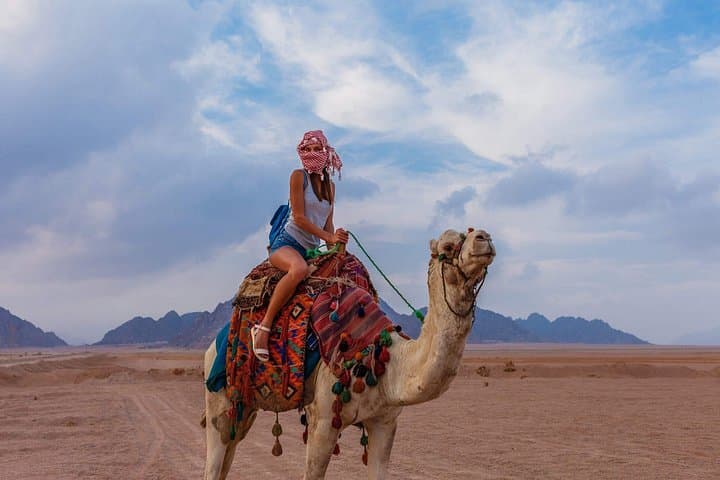
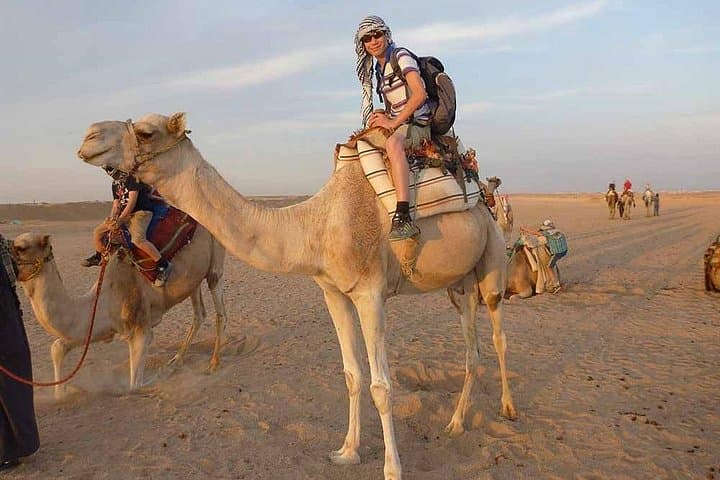
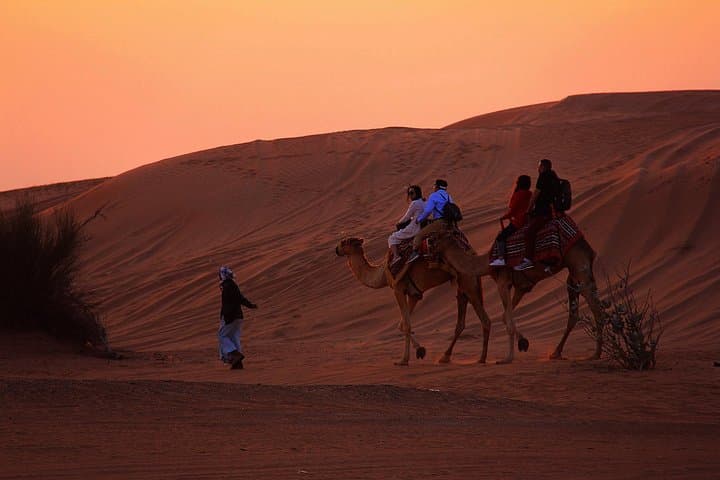
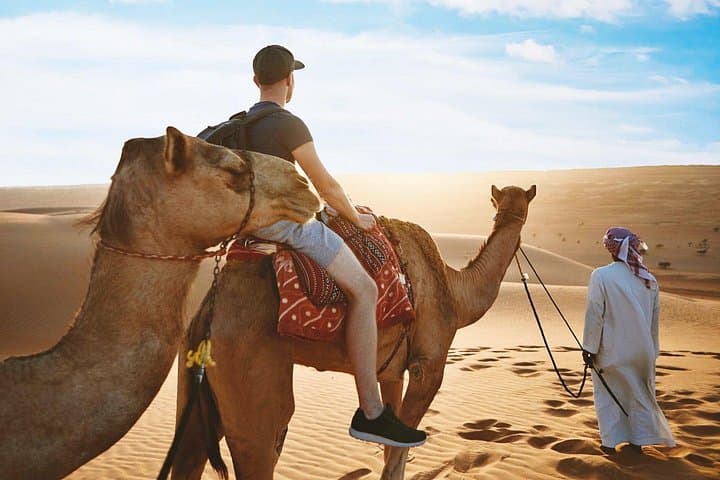
The sun slides low over the West Bank as a caravan of camels moves in slow, deliberate rhythm across sand and scrub. Riders feel the animal’s rise and fall beneath them while the Nile, a pale ribbon to the east, dares the desert to claim it. In the cool hours of sunrise or the amber hush of sunset, the Ramesseum, Habu and Hatshepsut Temple punctuate the horizon like layered chapters of stone.
Verified experiences and guided adventures in the surrounding area.
Operated by Icon Tours Egypt · Luxor, Luxor Governorate
The sun slides low over the West Bank as a caravan of camels moves in slow, deliberate rhythm across sand and scrub. Riders feel the animal’s rise and fall beneath them while the Nile, a pale ribbon to the east, dares the desert to claim it. In the cool hours of sunrise or the amber hush of sunset, the Ramesseum, Habu and Hatshepsut Temple punctuate the horizon like layered chapters of stone.
This short, guided camel experience crosses terrain shaped by the Nile’s floodplain and Nilotic winds. Geologically the area is a meeting of soft alluvial soils and pockets of windblown sand; dune ridges are modest but offer sudden, sweeping views. Culturally, the West Bank is cemetery and village, where modern hamlets and agricultural plots rub shoulders with pharaonic tombs and mortuary temples. An Egyptologist guide often frames the ride with clear context about the Theban Necropolis and local agricultural life.
Expect easy riding for about two hours with gentle climbs over dunes (dozens of meters), brief village passages and riverside stretches where ibis and heron forage and water buffalo wallow. Footing isn’t strenuous, but the sun and reflective sand amplify exposure.
Practical tips: wear closed shoes and long sleeves to guard against sand and sun, bring at least 1–2 liters of water, and time the ride for golden-hour light. Respect restricted archaeological zones — entrances to temples and tombs require separate tickets and supervised access. Tipping camel handlers and guides is customary; carry small bills. The experience blends simple desert travel with intimate contact with Egypt’s layered past — unhurried, sensory and straightforward.
The advertised excursion runs about two hours, typically timed for sunrise or sunset to maximize light and comfort.
Yes—rides are gentle and suitable for a wide range of ages and fitness levels, but disclose any mobility issues when booking.
Entrance fees for archaeological sites noted in your itinerary are often included, but access to specific tomb interiors may require separate tickets and supervision.
Many operators include air-conditioned transfers from Luxor hotels; confirm pickup details when booking.
Icon Tours Egypt operates guided outdoor trips and adventures with an emphasis on safety, stewardship, and memorable experiences.
The sun slides low over the West Bank as a caravan of camels moves in slow, deliberate rhythm across sand and scrub. Riders feel the animal’s rise and fall beneath them while the Nile, a pale ribbon to the east, dares the desert to claim it. In the cool hours of sunrise or the amber hush of sunset, the Ramesseum, Habu and Hatshepsut Temple punctuate the horizon like layered chapters of stone.
The sun slides low over the West Bank as a caravan of camels moves in slow, deliberate rhythm across sand and scrub. Riders feel the animal’s rise and fall beneath them while the Nile, a pale ribbon to the east, dares the desert to claim it. In the cool hours of sunrise or the amber hush of sunset, the Ramesseum, Habu and Hatshepsut Temple punctuate the horizon like layered chapters of stone.
This short, guided camel experience crosses terrain shaped by the Nile’s floodplain and Nilotic winds. Geologically the area is a meeting of soft alluvial soils and pockets of windblown sand; dune ridges are modest but offer sudden, sweeping views. Culturally, the West Bank is cemetery and village, where modern hamlets and agricultural plots rub shoulders with pharaonic tombs and mortuary temples. An Egyptologist guide often frames the ride with clear context about the Theban Necropolis and local agricultural life.
Expect easy riding for about two hours with gentle climbs over dunes (dozens of meters), brief village passages and riverside stretches where ibis and heron forage and water buffalo wallow. Footing isn’t strenuous, but the sun and reflective sand amplify exposure.
Practical tips: wear closed shoes and long sleeves to guard against sand and sun, bring at least 1–2 liters of water, and time the ride for golden-hour light. Respect restricted archaeological zones — entrances to temples and tombs require separate tickets and supervised access. Tipping camel handlers and guides is customary; carry small bills. The experience blends simple desert travel with intimate contact with Egypt’s layered past — unhurried, sensory and straightforward.