THE ADVENTURE COLLECTIVE® · Independent discovery and booking for outdoor travel

Traverse Marrakech’s Palmeraie by camel on a relaxed 2.5-hour outing that mixes slow desert riding with village stops for mint tea. Learn basic camel etiquette, sample local hospitality, and see the palms that helped shape the city’s waterwise agriculture.
Traverse Marrakech’s Palmeraie by camel on a relaxed 2.5-hour outing that mixes slow desert riding with village stops for mint tea. Learn basic camel etiquette, sample local hospitality, and see the palms that helped shape the city’s waterwise agriculture.
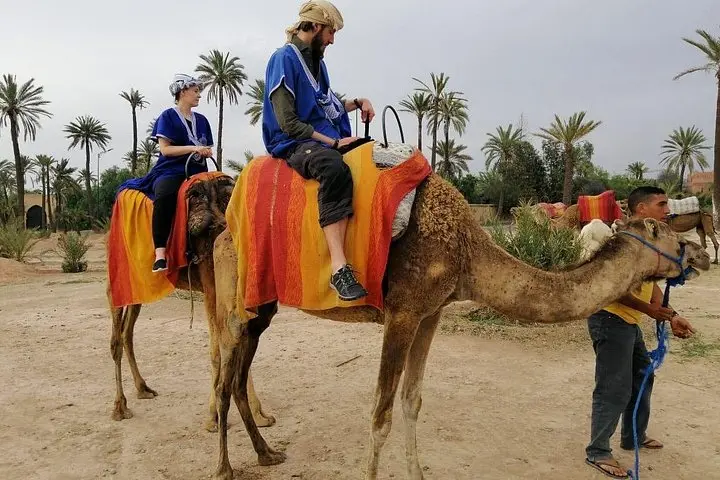
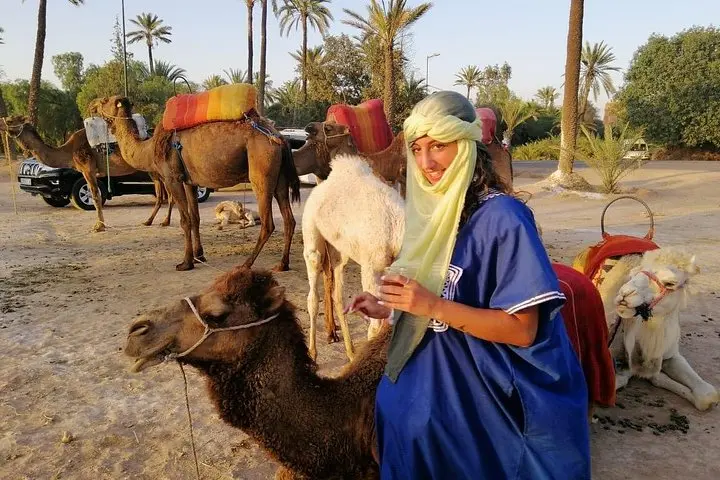
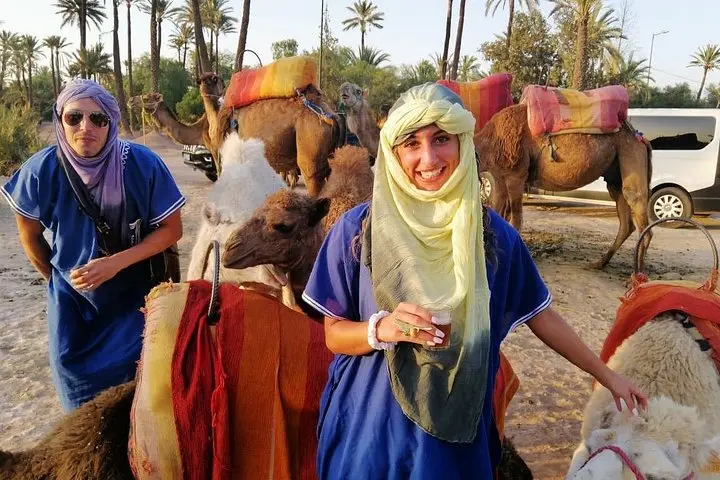
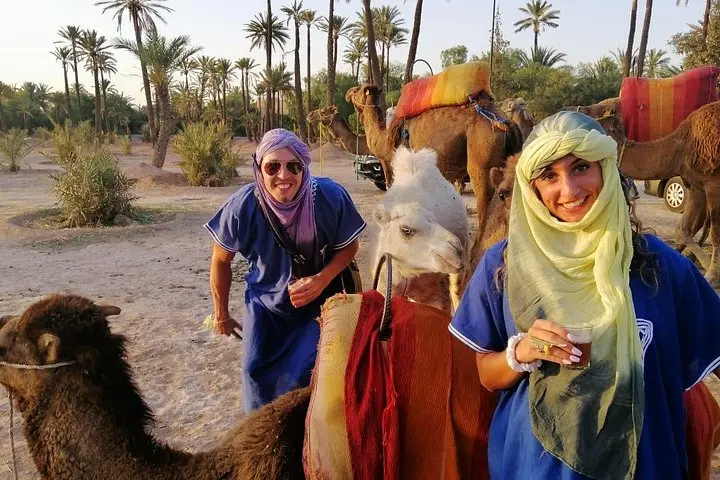
The sun sits low over the palms as a caravan of camels rises from the shaded tracks of the Palmeraie, each slow step sending a soft creak through the saddle. Riders move through a stitched landscape of date palms, orange trees and irrigated plots, the palms themselves seeming to lean in, watching the procession pass.
Verified experiences and guided adventures in the surrounding area.
Operated by Marrakech Tours · Marrakech, Marrakech-Safi
The sun sits low over the palms as a caravan of camels rises from the shaded tracks of the Palmeraie, each slow step sending a soft creak through the saddle. Riders move through a stitched landscape of date palms, orange trees and irrigated plots, the palms themselves seeming to lean in, watching the procession pass.
The Palmeraie is an engineered oasis: centuries of water management from local khettaras and the nearby Oued Tensift fed these palm groves, supporting villages and caravan stops that linked Marrakech to surrounding plains. Geologically the area is an alluvial plain—sandy soils and groundwater pockets encourage palm cultivation rather than the rockier ranges to the south. Culturally the ride blends Berber and Arab influences; visiting a small village for mint tea gives a direct line to local hospitality and craft traditions.
Expect slow, rhythmic travel—camels pace conserves energy and frames views rather than hurrying them. Handlers demonstrate mounting and guide simple camel etiquette; the animals are steady but large, and you’ll feel their weight shift under you. The route moves across flat, sandy tracks with short shaded sections and open fields where dust can lift with a breeze that dares you to keep moving forward.
Practical guide: the tour lasts about 2.5 hours including pickup, wear sun protection and closed-toe shoes, carry water and a light scarf for dust, and plan mid-afternoon or late morning for softer light and cooler temps. Expect a relaxed cultural stop for tea and simple local conversation before return to Marrakech.
The full experience is about 2.5 hours including pickup, the camel ride through the Palmeraie, a village stop for tea, and return transfer.
Yes—this tour is rated easy and suitable for most ages; handlers assist with mounting and rides are steady, but inform the operator of mobility concerns.
Pickup and drop-off from Marrakech, an air-conditioned transfer, the camel ride, traditional clothing options, and mint tea at a village stop are included.
No prior experience is required; handlers brief riders on safety and camel etiquette before departure.
Marrakech Tours operates guided outdoor trips and adventures with an emphasis on safety, stewardship, and memorable experiences.
The sun sits low over the palms as a caravan of camels rises from the shaded tracks of the Palmeraie, each slow step sending a soft creak through the saddle. Riders move through a stitched landscape of date palms, orange trees and irrigated plots, the palms themselves seeming to lean in, watching the procession pass.
The sun sits low over the palms as a caravan of camels rises from the shaded tracks of the Palmeraie, each slow step sending a soft creak through the saddle. Riders move through a stitched landscape of date palms, orange trees and irrigated plots, the palms themselves seeming to lean in, watching the procession pass.
The Palmeraie is an engineered oasis: centuries of water management from local khettaras and the nearby Oued Tensift fed these palm groves, supporting villages and caravan stops that linked Marrakech to surrounding plains. Geologically the area is an alluvial plain—sandy soils and groundwater pockets encourage palm cultivation rather than the rockier ranges to the south. Culturally the ride blends Berber and Arab influences; visiting a small village for mint tea gives a direct line to local hospitality and craft traditions.
Expect slow, rhythmic travel—camels pace conserves energy and frames views rather than hurrying them. Handlers demonstrate mounting and guide simple camel etiquette; the animals are steady but large, and you’ll feel their weight shift under you. The route moves across flat, sandy tracks with short shaded sections and open fields where dust can lift with a breeze that dares you to keep moving forward.
Practical guide: the tour lasts about 2.5 hours including pickup, wear sun protection and closed-toe shoes, carry water and a light scarf for dust, and plan mid-afternoon or late morning for softer light and cooler temps. Expect a relaxed cultural stop for tea and simple local conversation before return to Marrakech.