THE ADVENTURE COLLECTIVE® · Independent discovery and booking for outdoor travel

Ride a camel around the Giza Plateau at sunset for sweeping views of the Great Pyramids, the Sphinx, and the plateau’s desert horizons. Practical tips and site-specific advice for a safe, respectful visit.
Ride a camel around the Giza Plateau at sunset for sweeping views of the Great Pyramids, the Sphinx, and the plateau’s desert horizons. Practical tips and site-specific advice for a safe, respectful visit.
A late-afternoon sun slants across the limestone faces of Khufu, Chephren and Menkaure as you settle into the slow sway of a camel. The animal rises, and the plateau breathes: wind-scoured sand, the low hum of distant traffic, and the pyramids asserting a quiet scale that makes you move more deliberately.
Verified experiences and guided adventures in the surrounding area.
Operated by Three Pyramids Tours · Giza, Giza Governorate
A late-afternoon sun slants across the limestone faces of Khufu, Chephren and Menkaure as you settle into the slow sway of a camel. The animal rises, and the plateau breathes: wind-scoured sand, the low hum of distant traffic, and the pyramids asserting a quiet scale that makes you move more deliberately.
This guided camel circuit traces routes used for millennia around the Giza Plateau. Geologically the plateau is a Pliocene limestone bench; historically it holds structures from the Fourth Dynasty (c. 2600 BCE) and remains the most visible marker of Egypt’s Pharaonic past. Guides on these rides typically point out the Sphinx’s face, the alignment of the pyramids, and the Solar Boat Museum excavated beside Khufu.
Culturally the tour is both performative and practical: camels were integral to desert travel, and local Bedouin and Cairo-based handlers keep that tradition alive while catering to modern visitors.
Practically, expect 3–5 hours including pickup and transfers from Cairo, mostly flat sandy terrain with short mounted periods. Sunset is the most popular window—light is softer and temperatures drop quickly.
Bring sun protection, a secure camera, and an awareness that camel saddles transfer motion differently than bikes or horses. Travelers with back or neck issues should avoid prolonged rides. Respect the site: climbing pyramids is prohibited, and sticking to established paths helps preserve fragile archaeology.
This is an accessible, low‑technical adventure that connects a compact desert landscape to some of humanity’s oldest monuments—best experienced with a guide who can read stones and stories in equal measure.
Most operators allow riders of many ages, but children should be supervised and seniors with mobility issues or spinal concerns should avoid long rides—check with the operator about saddle assistance.
This camel circuit typically provides panoramic views from outside and includes camel service; formal entry to pyramid interiors or the Solar Boat Museum is usually a separate ticket.
Yes—these tours commonly include air-conditioned transfers from central Cairo hotels; confirm pickup location and timing when booking.
Tipping is customary—consider small tips for handlers (a few USD) and 10–15% for guides depending on service quality.
Three Pyramids Tours operates guided outdoor trips and adventures with an emphasis on safety, stewardship, and memorable experiences.
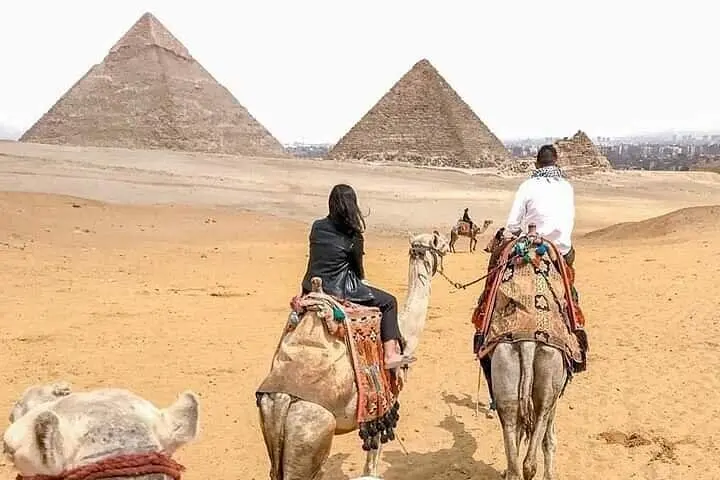
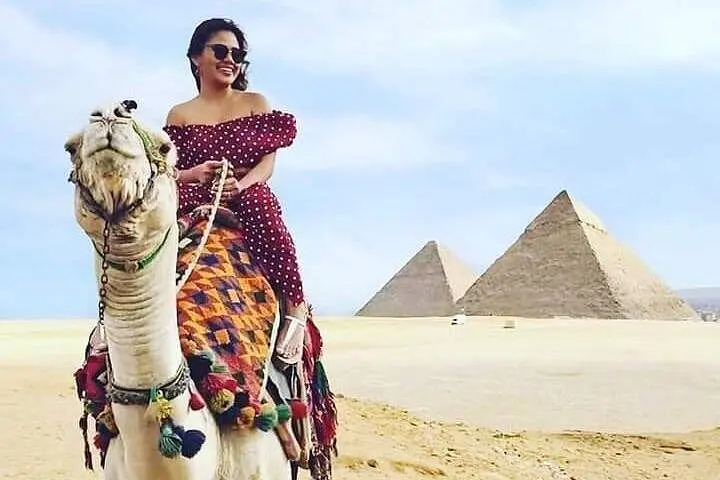
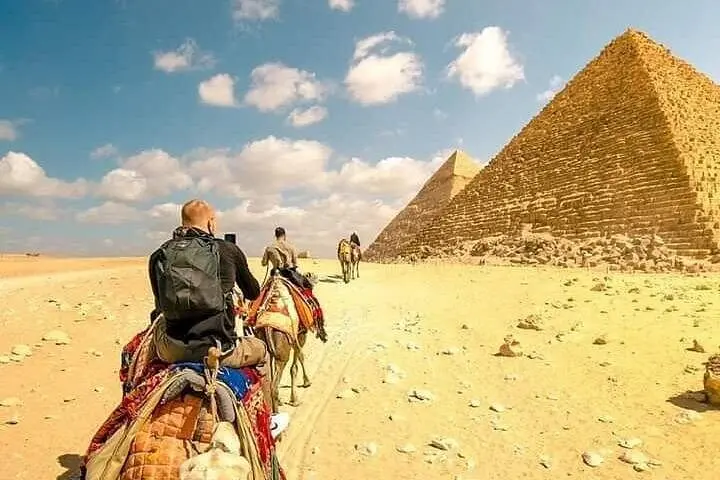
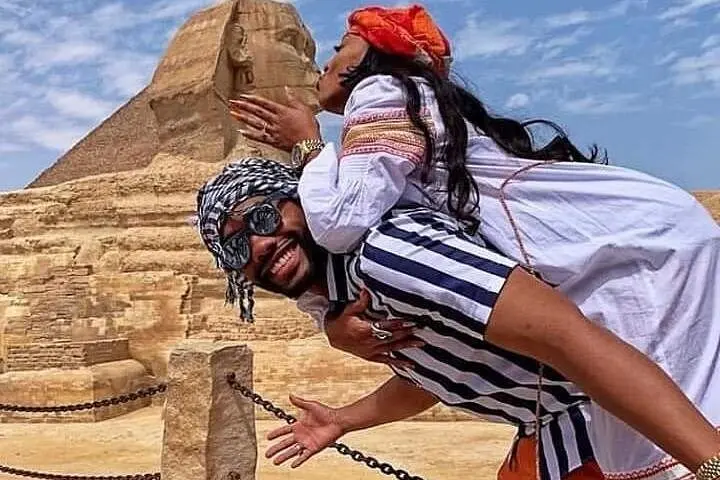
A late-afternoon sun slants across the limestone faces of Khufu, Chephren and Menkaure as you settle into the slow sway of a camel. The animal rises, and the plateau breathes: wind-scoured sand, the low hum of distant traffic, and the pyramids asserting a quiet scale that makes you move more deliberately.
A late-afternoon sun slants across the limestone faces of Khufu, Chephren and Menkaure as you settle into the slow sway of a camel. The animal rises, and the plateau breathes: wind-scoured sand, the low hum of distant traffic, and the pyramids asserting a quiet scale that makes you move more deliberately.
This guided camel circuit traces routes used for millennia around the Giza Plateau. Geologically the plateau is a Pliocene limestone bench; historically it holds structures from the Fourth Dynasty (c. 2600 BCE) and remains the most visible marker of Egypt’s Pharaonic past. Guides on these rides typically point out the Sphinx’s face, the alignment of the pyramids, and the Solar Boat Museum excavated beside Khufu.
Culturally the tour is both performative and practical: camels were integral to desert travel, and local Bedouin and Cairo-based handlers keep that tradition alive while catering to modern visitors.
Practically, expect 3–5 hours including pickup and transfers from Cairo, mostly flat sandy terrain with short mounted periods. Sunset is the most popular window—light is softer and temperatures drop quickly.
Bring sun protection, a secure camera, and an awareness that camel saddles transfer motion differently than bikes or horses. Travelers with back or neck issues should avoid prolonged rides. Respect the site: climbing pyramids is prohibited, and sticking to established paths helps preserve fragile archaeology.
This is an accessible, low‑technical adventure that connects a compact desert landscape to some of humanity’s oldest monuments—best experienced with a guide who can read stones and stories in equal measure.