THE ADVENTURE COLLECTIVE® · Independent discovery and booking for outdoor travel
Ride across the high ripples of Erg Chebbi, sleep in a Berber tent, and wake to a dune-framed sunrise. This overnight camel trek from Merzouga blends practical logistics with vivid desert culture and star-filled nights.
Ride across the high ripples of Erg Chebbi, sleep in a Berber tent, and wake to a dune-framed sunrise. This overnight camel trek from Merzouga blends practical logistics with vivid desert culture and star-filled nights.
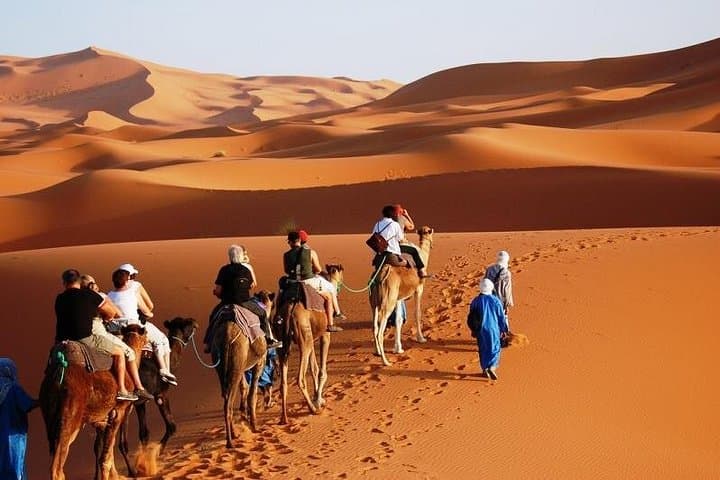
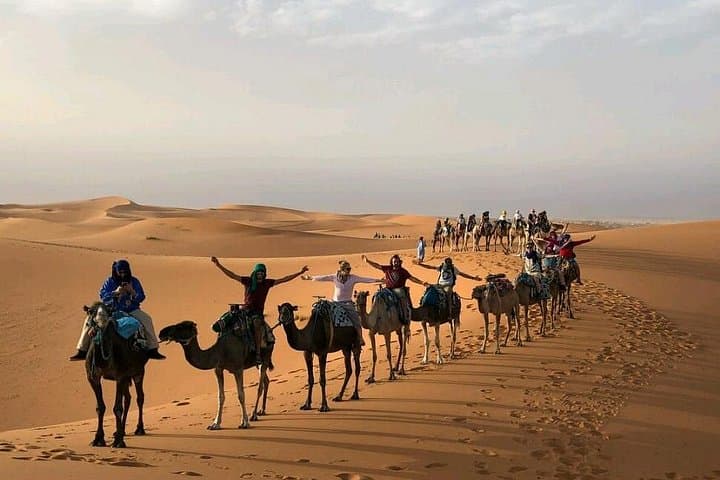
You arrive at the lip of an ocean of sand as late afternoon light slants across the dunes; each crest flickers, then sinks, and the desert seems to breathe. Camels clip a steady rhythm beneath you, each step nudging you deeper into Erg Chebbi where dunes tower up to about 150 meters and the wind sculpts fresh ridgelines every day.
Verified experiences and guided adventures in the surrounding area.
Operated by Merzouga Dunes · Merzouga, Drâa-Tafilalet
You arrive at the lip of an ocean of sand as late afternoon light slants across the dunes; each crest flickers, then sinks, and the desert seems to breathe. Camels clip a steady rhythm beneath you, each step nudging you deeper into Erg Chebbi where dunes tower up to about 150 meters and the wind sculpts fresh ridgelines every day.
Erg Chebbi sits on ancient Saharan trade routes once threaded by salt caravans linking sub-Saharan Africa to Moroccan oases. The sand here is young by geological standards—mobile, windblown sheets riding over a hardpan—while the surrounding villages reflect Berber and Amazigh traditions that persisted long before modern tour circuits.
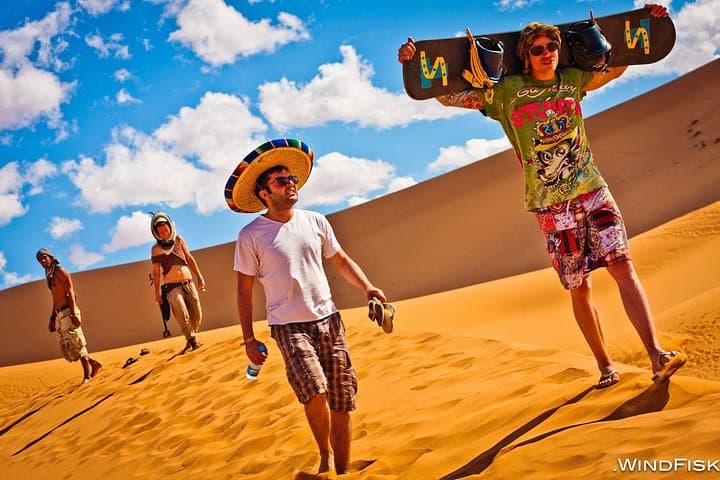
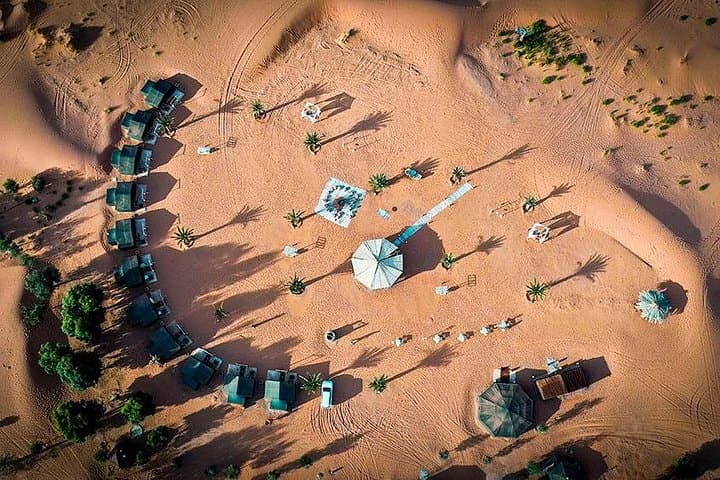
At camp, local guides set up traditional tents and prepare tagine and sweet mint tea. Drumming and Gnawa songs announce nightfall; meanwhile dunes go black under a vault of stars with markedly clear Milky Way visibility. Sand-boarding, short climbs to sunrise viewpoints, and guided walks add texture to the camel hours.
Practicalities: expect about 15–20 hours from pick-up to return, light exertion on soft sand and brief climbs of dune faces. Temperatures swing dramatically—hot by day, cold at night—so layered clothing, sun protection, and ample water are non-negotiable. Footing is soft; sturdy closed shoes better than sandals. Camps vary from basic to luxury tents; verify sleeping arrangements and dietary needs ahead of booking.
This overnight is less a technical trek than a cultural immersion: slow travel on camelback, shared meals, and a night that resets your sense of scale under the Sahara sky.
Typical camel treks for overnight camps cover several kilometers and take 1.5–3 hours each way depending on pace and chosen campsite.
Options vary by operator—this tour lists private tents but confirm your selection and bedding preferences when booking.
Sandboarding is commonly offered as part of the activities—confirm inclusion or availability ahead of time if it’s a priority.
Children are allowed but must be accompanied by an adult; operators often set age limits for safety—check policies before booking.
Merzouga Dunes operates guided outdoor trips and adventures with an emphasis on safety, stewardship, and memorable experiences.
You arrive at the lip of an ocean of sand as late afternoon light slants across the dunes; each crest flickers, then sinks, and the desert seems to breathe. Camels clip a steady rhythm beneath you, each step nudging you deeper into Erg Chebbi where dunes tower up to about 150 meters and the wind sculpts fresh ridgelines every day.
You arrive at the lip of an ocean of sand as late afternoon light slants across the dunes; each crest flickers, then sinks, and the desert seems to breathe. Camels clip a steady rhythm beneath you, each step nudging you deeper into Erg Chebbi where dunes tower up to about 150 meters and the wind sculpts fresh ridgelines every day.
Erg Chebbi sits on ancient Saharan trade routes once threaded by salt caravans linking sub-Saharan Africa to Moroccan oases. The sand here is young by geological standards—mobile, windblown sheets riding over a hardpan—while the surrounding villages reflect Berber and Amazigh traditions that persisted long before modern tour circuits.
At camp, local guides set up traditional tents and prepare tagine and sweet mint tea. Drumming and Gnawa songs announce nightfall; meanwhile dunes go black under a vault of stars with markedly clear Milky Way visibility. Sand-boarding, short climbs to sunrise viewpoints, and guided walks add texture to the camel hours.
Practicalities: expect about 15–20 hours from pick-up to return, light exertion on soft sand and brief climbs of dune faces. Temperatures swing dramatically—hot by day, cold at night—so layered clothing, sun protection, and ample water are non-negotiable. Footing is soft; sturdy closed shoes better than sandals. Camps vary from basic to luxury tents; verify sleeping arrangements and dietary needs ahead of booking.
This overnight is less a technical trek than a cultural immersion: slow travel on camelback, shared meals, and a night that resets your sense of scale under the Sahara sky.
