THE ADVENTURE COLLECTIVE® · Independent discovery and booking for outdoor travel

Spend a full day on camelback through the Draa Valley’s palm groves, visit the pottery village of Tamegroute, and share dinner with a Berber family. This private tour combines desert landscapes, local culture, and practical logistics for an immersive day trip from Zagora.
Spend a full day on camelback through the Draa Valley’s palm groves, visit the pottery village of Tamegroute, and share dinner with a Berber family. This private tour combines desert landscapes, local culture, and practical logistics for an immersive day trip from Zagora.
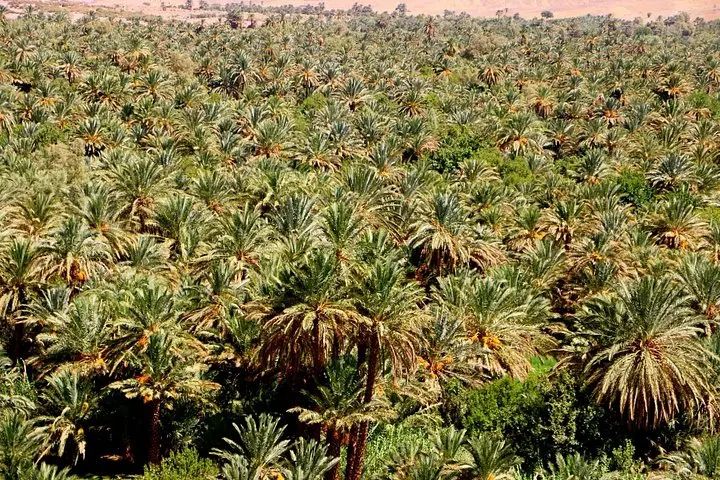
Morning light slants across rows of date palms as camels shuffle awake, their silhouettes cutting slow arcs against the ochre dunes. You meet your guides at a meeting point outside Zagora, then follow a caravan track where the Draa valley breathes—green ribbons of palms, mud-brick kasbahs, and wind-polished sand that dares you to keep pace.
Verified experiences and guided adventures in the surrounding area.
Operated by Explore Morocco Travel SARL · Zagora, Drâa-Tafilalet
Morning light slants across rows of date palms as camels shuffle awake, their silhouettes cutting slow arcs against the ochre dunes. You meet your guides at a meeting point outside Zagora, then follow a caravan track where the Draa valley breathes—green ribbons of palms, mud-brick kasbahs, and wind-polished sand that dares you to keep pace.
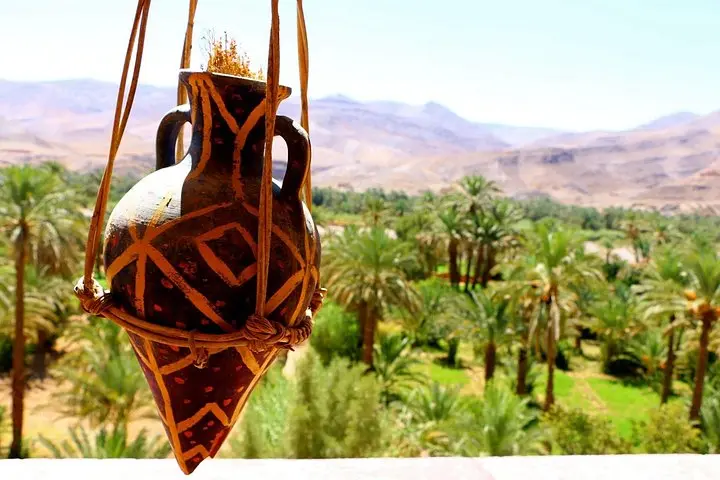
The Draa is Morocco’s longest river, feeding a corridor of life that supported trans-Saharan caravans and fortified Berber settlements from the 17th and 18th centuries. Geologically the valley is an alluvial plain hemmed by eroding foothills; dunes lap the palm edges while the High Atlas sits distant and often snowcapped. Cultural stops include Tamegroute, known for its green-glazed pottery and a small coranic library; the town’s subterranean architecture and religious schools reflect centuries of desert scholarship.
Expect about three hours in the saddle or on foot through palm groves, a shaded picnic lunch, a guided hour in Tamegroute, and an evening visit to a local family for tea, dinner, and optional henna. The full program runs most of the day with hotel pickup and drop-off in Zagora.
Practical edge: heat and sun are the main hazards—start early, hydrate, and wear closed-toe shoes for crossing loose sand and kasbah thresholds. Respect prayer times and dress conservatively in villages. Guides handle logistics and local introductions; bring cash for small purchases and a tip for hosts. This is a day of steady rhythms—camel pace, the crack of fire-cooked bread, and a close-up of oasis life.
The camel trekking portion is roughly three hours of riding and walking through palm groves and desert edges, interspersed with short stops.
Children can join but must be accompanied by an adult; camel saddles accommodate one rider and guides assess suitability on site.
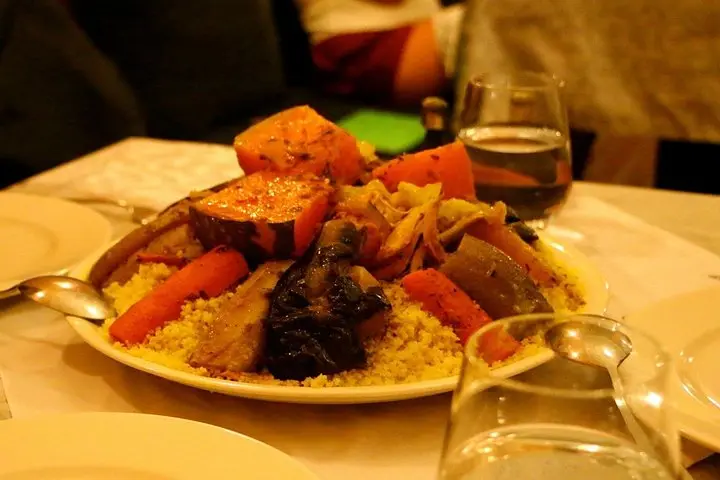
The tour includes a picnic lunch in the oasis and a home-cooked dinner with a local Berber family, plus coffee/tea and bottled water.
No prior experience required; guides give a safety briefing and help mount and dismount, but you should be comfortable sitting for extended periods.
Explore Morocco Travel SARL operates guided outdoor trips and adventures with an emphasis on safety, stewardship, and memorable experiences.
Morning light slants across rows of date palms as camels shuffle awake, their silhouettes cutting slow arcs against the ochre dunes. You meet your guides at a meeting point outside Zagora, then follow a caravan track where the Draa valley breathes—green ribbons of palms, mud-brick kasbahs, and wind-polished sand that dares you to keep pace.
Morning light slants across rows of date palms as camels shuffle awake, their silhouettes cutting slow arcs against the ochre dunes. You meet your guides at a meeting point outside Zagora, then follow a caravan track where the Draa valley breathes—green ribbons of palms, mud-brick kasbahs, and wind-polished sand that dares you to keep pace.
The Draa is Morocco’s longest river, feeding a corridor of life that supported trans-Saharan caravans and fortified Berber settlements from the 17th and 18th centuries. Geologically the valley is an alluvial plain hemmed by eroding foothills; dunes lap the palm edges while the High Atlas sits distant and often snowcapped. Cultural stops include Tamegroute, known for its green-glazed pottery and a small coranic library; the town’s subterranean architecture and religious schools reflect centuries of desert scholarship.
Expect about three hours in the saddle or on foot through palm groves, a shaded picnic lunch, a guided hour in Tamegroute, and an evening visit to a local family for tea, dinner, and optional henna. The full program runs most of the day with hotel pickup and drop-off in Zagora.
Practical edge: heat and sun are the main hazards—start early, hydrate, and wear closed-toe shoes for crossing loose sand and kasbah thresholds. Respect prayer times and dress conservatively in villages. Guides handle logistics and local introductions; bring cash for small purchases and a tip for hosts. This is a day of steady rhythms—camel pace, the crack of fire-cooked bread, and a close-up of oasis life.