THE ADVENTURE COLLECTIVE® · Independent discovery and booking for outdoor travel

A day‑long escape from Barcelona along the Camino de Ronda that combines a 5‑km coastal hike with swims, coves and seaside culture. Practical route notes, local history and tips for making the most of the Costa Brava in one accessible outing.
A day‑long escape from Barcelona along the Camino de Ronda that combines a 5‑km coastal hike with swims, coves and seaside culture. Practical route notes, local history and tips for making the most of the Costa Brava in one accessible outing.
You step off the coach into a salt‑bright breeze and the path immediately leans toward the sea. Pine scent and sun-warmed rock guide a narrow trail that threads cliff edges, small coves and whitewashed fishing huts. The Mediterranean keeps time here—lapping coves invite a quick swim while distant boats cut straight lines across the horizon.
Verified experiences and guided adventures in the surrounding area.
Operated by Be Outdoors Barcelona · Calella de Palafrugell, Catalonia
You step off the coach into a salt‑bright breeze and the path immediately leans toward the sea. Pine scent and sun-warmed rock guide a narrow trail that threads cliff edges, small coves and whitewashed fishing huts. The Mediterranean keeps time here—lapping coves invite a quick swim while distant boats cut straight lines across the horizon.
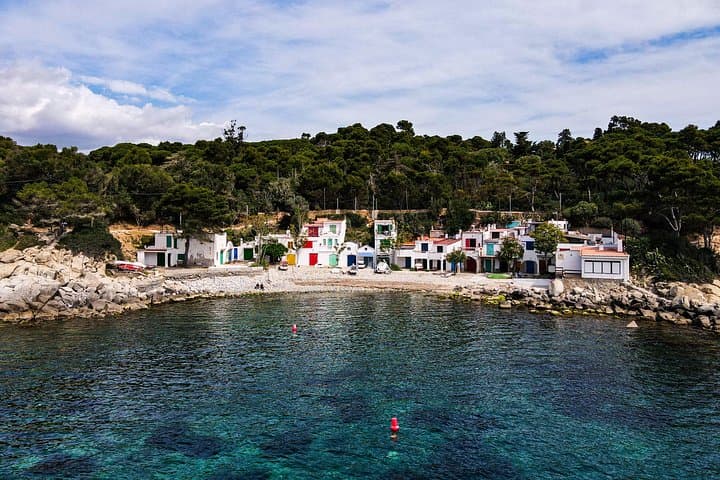
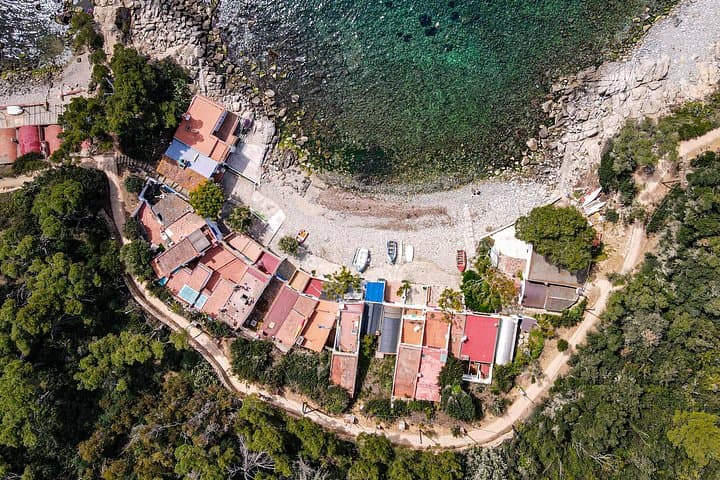
The Camino de Ronda is part trail, part coastal patrol route, built in the 19th and early 20th centuries to help lighthouse keepers and coast guards move along this fractured shoreline. Geologically the coast is a ragged mix of metamorphic rocks and marine terraces that fracture into the small, sheltered coves this section is known for. Local fishing villages like Calella de Palafrugell preserve a pared-down maritime culture: stone jetties, preserved barraques (fishermen’s huts) and seaside restaurants serving freshly caught fish.
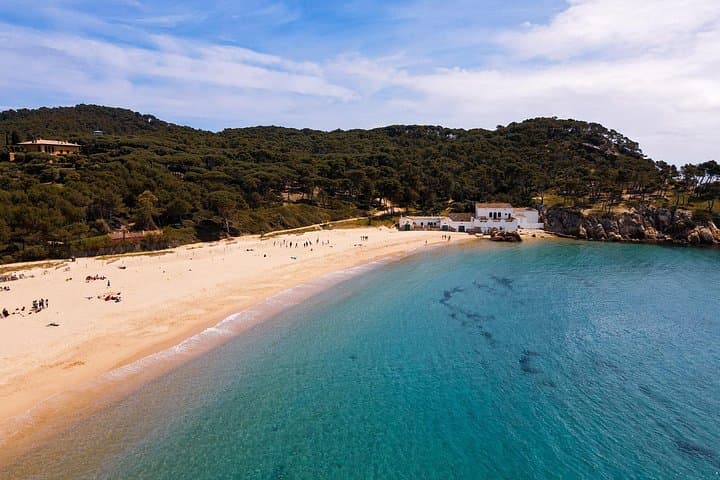
Expect 5 km (about 3 miles) of walking on varied terrain—packed earth, rock steps and short scrambles—punctuated by beach stops at Cala Estreta, Cala S’Alguer and Playa del Castell. Seasons change the mood: spring brings wildflowers on cliff rims, summer opens the water for snorkeling, fall cools the air and winter clears the vistas.
Practical guidance: wear grippy shoes, bring 1–2 liters of water, sun protection and a light layer for coastal wind. Plan for a full-day excursion when factoring in transport from Barcelona; bring cash for an optional seaside lunch at the finish in Cala Fosca. Stick to marked trails and leave no trace—this coastline erodes fast and benefits from careful visitors.
The guided walking section covers roughly 5 km (3 miles) along the Camino de Ronda, spread across multiple coves and viewpoints.
Yes—there are scheduled beach stops for swimming and snorkeling when sea conditions are safe; equipment is provided seasonally.
The tour typically departs Barcelona by air‑conditioned coach in the morning; travel time is about 1.5–2 hours each way depending on traffic.
The route is accessible to most fitness levels but requires balance on uneven terrain; travelers with serious mobility, spinal or heart conditions should avoid it.
Be Outdoors Barcelona operates guided outdoor trips and adventures with an emphasis on safety, stewardship, and memorable experiences.
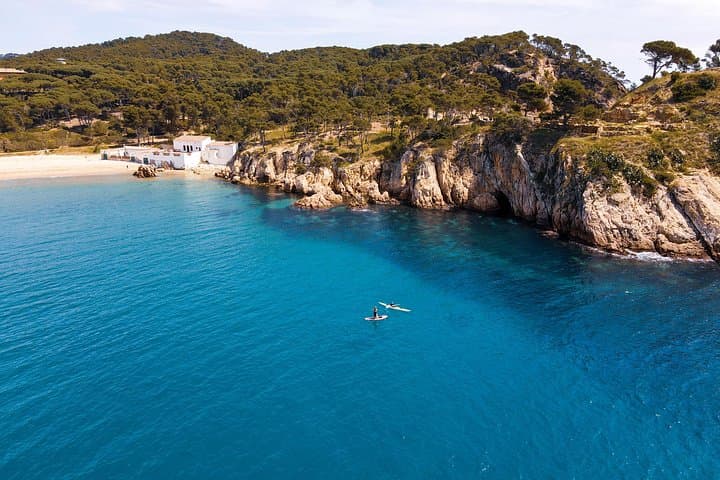
You step off the coach into a salt‑bright breeze and the path immediately leans toward the sea. Pine scent and sun-warmed rock guide a narrow trail that threads cliff edges, small coves and whitewashed fishing huts. The Mediterranean keeps time here—lapping coves invite a quick swim while distant boats cut straight lines across the horizon.
You step off the coach into a salt‑bright breeze and the path immediately leans toward the sea. Pine scent and sun-warmed rock guide a narrow trail that threads cliff edges, small coves and whitewashed fishing huts. The Mediterranean keeps time here—lapping coves invite a quick swim while distant boats cut straight lines across the horizon.
The Camino de Ronda is part trail, part coastal patrol route, built in the 19th and early 20th centuries to help lighthouse keepers and coast guards move along this fractured shoreline. Geologically the coast is a ragged mix of metamorphic rocks and marine terraces that fracture into the small, sheltered coves this section is known for. Local fishing villages like Calella de Palafrugell preserve a pared-down maritime culture: stone jetties, preserved barraques (fishermen’s huts) and seaside restaurants serving freshly caught fish.
Expect 5 km (about 3 miles) of walking on varied terrain—packed earth, rock steps and short scrambles—punctuated by beach stops at Cala Estreta, Cala S’Alguer and Playa del Castell. Seasons change the mood: spring brings wildflowers on cliff rims, summer opens the water for snorkeling, fall cools the air and winter clears the vistas.
Practical guidance: wear grippy shoes, bring 1–2 liters of water, sun protection and a light layer for coastal wind. Plan for a full-day excursion when factoring in transport from Barcelona; bring cash for an optional seaside lunch at the finish in Cala Fosca. Stick to marked trails and leave no trace—this coastline erodes fast and benefits from careful visitors.