THE ADVENTURE COLLECTIVE® · Independent discovery and booking for outdoor travel

Walk the least-traveled of the Caminos—100 km from the Roman city of Lugo to Santiago de Compostela. This six-day itinerary blends quiet forest tracks, rural Galician culture, and daily B&B lodging with luggage transfer.
Walk the least-traveled of the Caminos—100 km from the Roman city of Lugo to Santiago de Compostela. This six-day itinerary blends quiet forest tracks, rural Galician culture, and daily B&B lodging with luggage transfer.
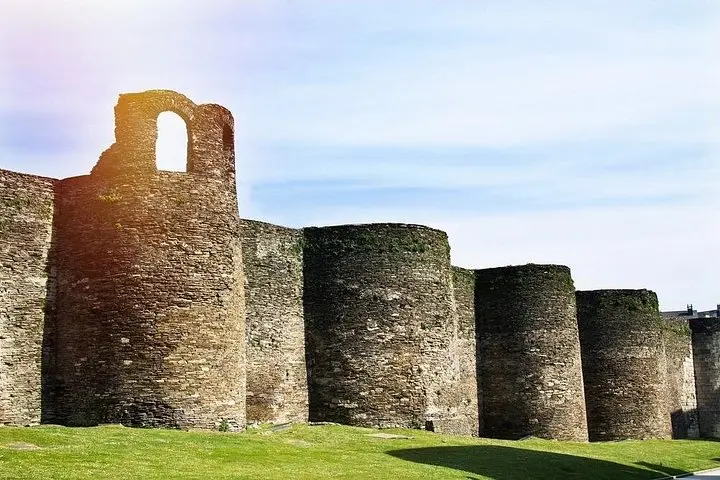
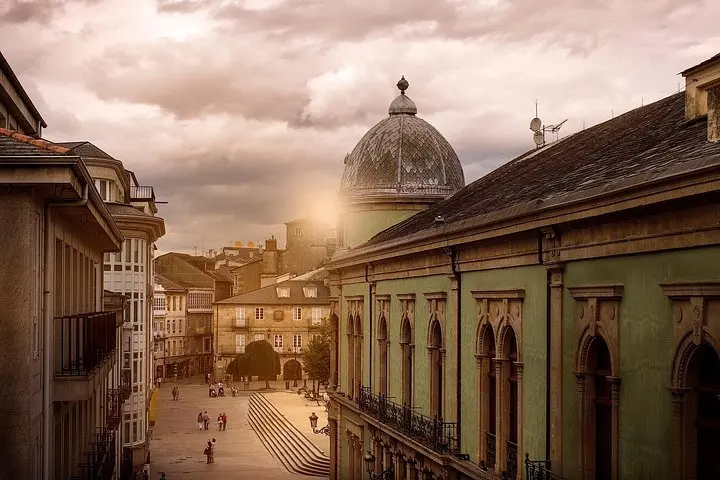
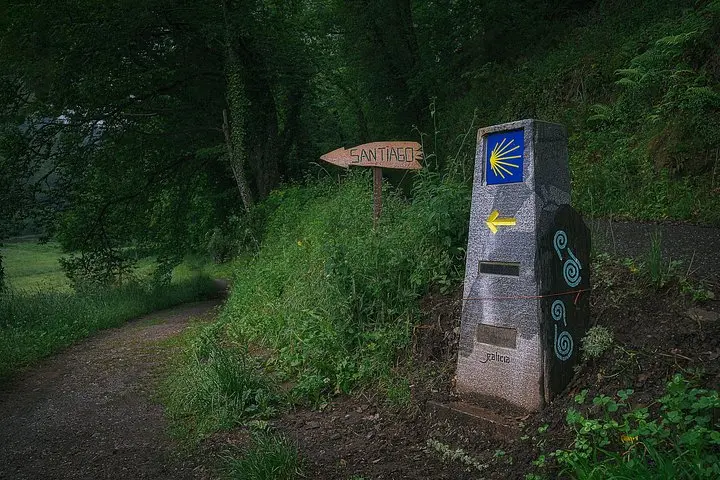
A damp morning in Lugo, the Roman wall still cool under the fingers of early light, sets the mood for the Primitive Way. Pilgrims step off cobbles into narrow lanes and quickly trade town noise for the hush of oak and eucalyptus; the trail threads through farm fields, old milliaries and villages where stone churches mark the hours.
Verified experiences and guided adventures in the surrounding area.
Operated by CAMINO DE SANTIAGO RESERVAS · Lugo, Galicia
A damp morning in Lugo, the Roman wall still cool under the fingers of early light, sets the mood for the Primitive Way. Pilgrims step off cobbles into narrow lanes and quickly trade town noise for the hush of oak and eucalyptus; the trail threads through farm fields, old milliaries and villages where stone churches mark the hours.
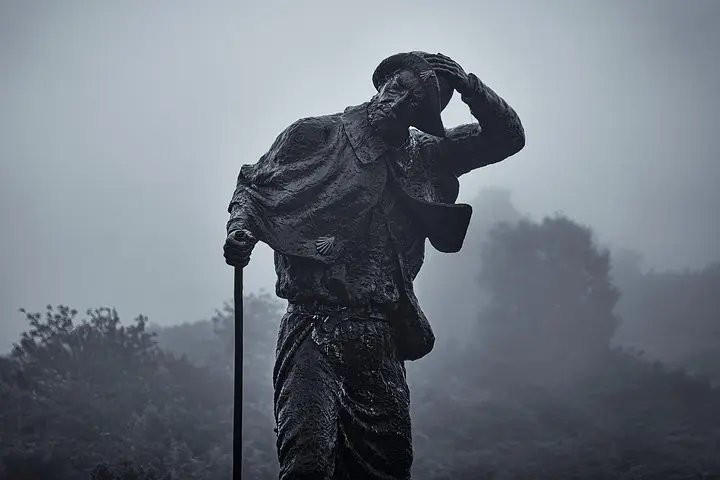
The Camino Primitivo is the oldest recorded route to Compostela, forged in medieval times by kings and travelers seeking Santiago. Geologically, the path crosses the gentle folds of Galicia—granite outcrops, peaty soils and streams that have carved shallow valleys—so the walking alternates between firm tracks and softer forest floors. Local culture is tangible: village ovens, small taverns serving octopus in Melide, and cheeses from Arzúa are part of the rhythm.
Practically, this itinerary covers roughly the last 100 km over six active walking days with luggage transfer and B&B lodging each night. Expect daily stages from 14 to 28 km, variable footing and some moderate climbs before the final descent into Santiago from Monte do Gozo. Timing matters—start early to avoid afternoon rain or crowds during peak season. Bring a light waterproof, layered clothing, and shoes broken in on similar terrain. Hydration and regular snack breaks keep pace steady; allow extra time for historic sites and the occasional café stop.
Arrival at the Obradoiro brings a clear close: the cathedral towers appear as reward, and the city’s stone streets welcome the pilgrim for reflection and a proper meal.
The program offers logistical support (luggage transfer, itinerary and a helpdesk) but walking is done independently between stage accommodations.
Yes—pilgrimage credentials are provided as part of the inclusions and are used to record each stage for the Compostela certificate.
Nightly bed and breakfast stays in local guesthouses or small hotels are included, offering private rooms and local breakfasts.
Stages vary from comfortable 14 km days to a longer 28 km stretch; terrain is mixed with some moderate climbs—moderate fitness is recommended.
CAMINO DE SANTIAGO RESERVAS operates guided outdoor trips and adventures with an emphasis on safety, stewardship, and memorable experiences.
A damp morning in Lugo, the Roman wall still cool under the fingers of early light, sets the mood for the Primitive Way. Pilgrims step off cobbles into narrow lanes and quickly trade town noise for the hush of oak and eucalyptus; the trail threads through farm fields, old milliaries and villages where stone churches mark the hours.
A damp morning in Lugo, the Roman wall still cool under the fingers of early light, sets the mood for the Primitive Way. Pilgrims step off cobbles into narrow lanes and quickly trade town noise for the hush of oak and eucalyptus; the trail threads through farm fields, old milliaries and villages where stone churches mark the hours.
The Camino Primitivo is the oldest recorded route to Compostela, forged in medieval times by kings and travelers seeking Santiago. Geologically, the path crosses the gentle folds of Galicia—granite outcrops, peaty soils and streams that have carved shallow valleys—so the walking alternates between firm tracks and softer forest floors. Local culture is tangible: village ovens, small taverns serving octopus in Melide, and cheeses from Arzúa are part of the rhythm.
Practically, this itinerary covers roughly the last 100 km over six active walking days with luggage transfer and B&B lodging each night. Expect daily stages from 14 to 28 km, variable footing and some moderate climbs before the final descent into Santiago from Monte do Gozo. Timing matters—start early to avoid afternoon rain or crowds during peak season. Bring a light waterproof, layered clothing, and shoes broken in on similar terrain. Hydration and regular snack breaks keep pace steady; allow extra time for historic sites and the occasional café stop.
Arrival at the Obradoiro brings a clear close: the cathedral towers appear as reward, and the city’s stone streets welcome the pilgrim for reflection and a proper meal.