THE ADVENTURE COLLECTIVE® · Independent discovery and booking for outdoor travel

Walk the final 100 km of the Camino Francés from Sarria to Santiago over five transformative days. This practical guide outlines terrain, daily distances, cultural highlights and the essentials you’ll need to plan a successful pilgrimage.
Walk the final 100 km of the Camino Francés from Sarria to Santiago over five transformative days. This practical guide outlines terrain, daily distances, cultural highlights and the essentials you’ll need to plan a successful pilgrimage.
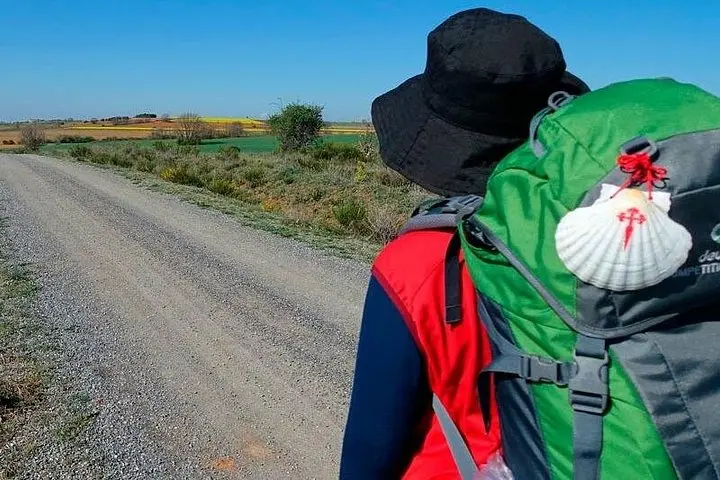
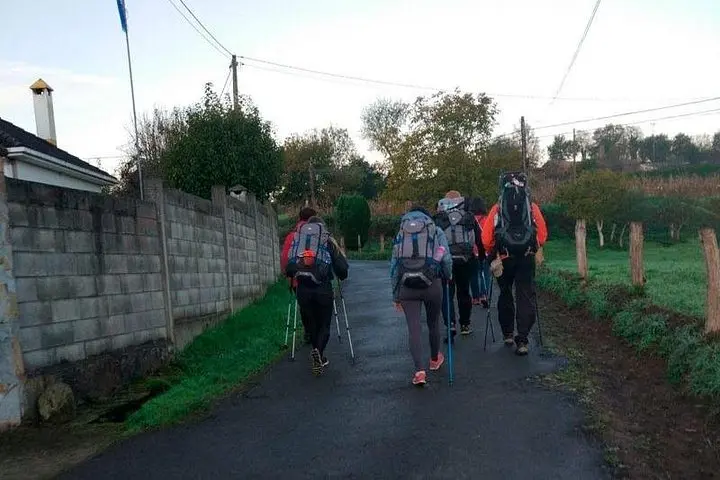
Morning light falls on cobbled streets as pilgrims shoulder packs in Sarria, the small Lugo town that marks the start of the official 100 km required to claim a Compostela. Footsteps echo past Romanesque churches, and the Camino unfurls — rivers daring you onward, chestnut forests breathing cool shade, and stone waymarks pointing toward Santiago.
Verified experiences and guided adventures in the surrounding area.
Operated by Howlanders · Sarria, Galicia
Morning light falls on cobbled streets as pilgrims shoulder packs in Sarria, the small Lugo town that marks the start of the official 100 km required to claim a Compostela. Footsteps echo past Romanesque churches, and the Camino unfurls — rivers daring you onward, chestnut forests breathing cool shade, and stone waymarks pointing toward Santiago.
This stretch of the Camino Francés crosses rolling Galician farmland and low ridgelines like the Ligonde slopes. The route follows ancient paths used since the medieval pilgrimage boom; many villages still gather around 12th- and 13th-century churches. Geology here is granite and schist, the stone of walls and bridges that shape the trail’s firm, sometimes uneven tread.
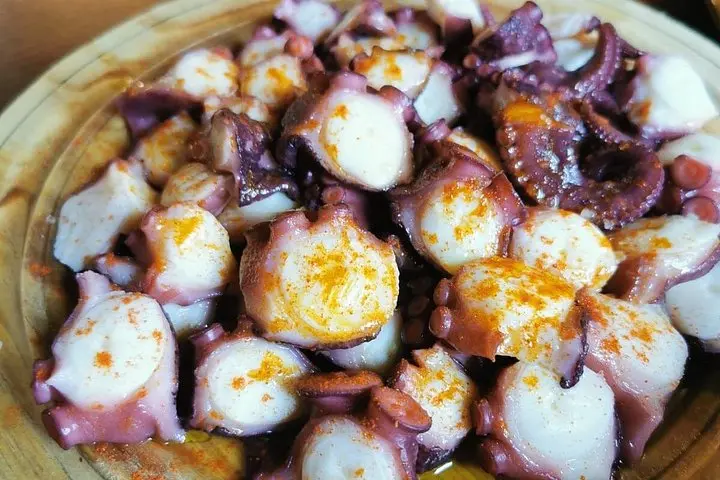
Culture arrives in small markets and taverns: aromatic pulpo in Melide, local cheese in Arzúa, and pilgrims swapping stamps over coffee. Expect steady climbs and descents rather than high alpine gain — daily stages average 12–18 miles (19–30 km), with moderate elevation changes and plenty of shaded forest tracks.
Practical guidance: break in boots long before departure, carry a daypack with rain cover, and use the included luggage transfer (max 20 kg) so you walk light. Start early on the final day to reach Santiago in time for Pilgrim’s Mass; bring a stamped credential to claim your Compostela. Hydrate on long open stretches, protect skin from afternoon sun, and follow marked paths to reduce erosion.
The Camino is social and solitary in turns — plan for simple comforts, durable gear, and a flexible pace to make the most of these five days.
You must complete at least 100 km (approx. 61 miles) on foot to be eligible for the Compostela certificate; starting in Sarria meets that requirement.
This tour includes daily luggage transfers with a maximum of 20 kg per bag; pack essentials in a separate daypack for each stage.
Late spring through early fall (May–October) offers milder weather and longer days, though July–August are busiest; spring and fall bring more rain and quieter trails.
Pilgrim’s Mass is public; no reservation is required, but arrive early on popular days and during summer to secure a seat.
Howlanders operates guided outdoor trips and adventures with an emphasis on safety, stewardship, and memorable experiences.
Morning light falls on cobbled streets as pilgrims shoulder packs in Sarria, the small Lugo town that marks the start of the official 100 km required to claim a Compostela. Footsteps echo past Romanesque churches, and the Camino unfurls — rivers daring you onward, chestnut forests breathing cool shade, and stone waymarks pointing toward Santiago.
Morning light falls on cobbled streets as pilgrims shoulder packs in Sarria, the small Lugo town that marks the start of the official 100 km required to claim a Compostela. Footsteps echo past Romanesque churches, and the Camino unfurls — rivers daring you onward, chestnut forests breathing cool shade, and stone waymarks pointing toward Santiago.
This stretch of the Camino Francés crosses rolling Galician farmland and low ridgelines like the Ligonde slopes. The route follows ancient paths used since the medieval pilgrimage boom; many villages still gather around 12th- and 13th-century churches. Geology here is granite and schist, the stone of walls and bridges that shape the trail’s firm, sometimes uneven tread.
Culture arrives in small markets and taverns: aromatic pulpo in Melide, local cheese in Arzúa, and pilgrims swapping stamps over coffee. Expect steady climbs and descents rather than high alpine gain — daily stages average 12–18 miles (19–30 km), with moderate elevation changes and plenty of shaded forest tracks.
Practical guidance: break in boots long before departure, carry a daypack with rain cover, and use the included luggage transfer (max 20 kg) so you walk light. Start early on the final day to reach Santiago in time for Pilgrim’s Mass; bring a stamped credential to claim your Compostela. Hydrate on long open stretches, protect skin from afternoon sun, and follow marked paths to reduce erosion.
The Camino is social and solitary in turns — plan for simple comforts, durable gear, and a flexible pace to make the most of these five days.