THE ADVENTURE COLLECTIVE® · Independent discovery and booking for outdoor travel

Traverse four days of rainforest, rivers, and colonial history on the Camino Real, a guided trek from the Caribbean side near Portobelo to the Pacific. Expect 5–8 mile days, jungle camps in hammocks, and bilingual guides interpreting ecological and cultural highlights.
Traverse four days of rainforest, rivers, and colonial history on the Camino Real, a guided trek from the Caribbean side near Portobelo to the Pacific. Expect 5–8 mile days, jungle camps in hammocks, and bilingual guides interpreting ecological and cultural highlights.
Mornings on the Camino Real begin with humid air and the rumble of distant rivers; the trail climbs out of coastal scrub and drops into primary rainforest where sunlight punches through high canopies in narrow beams. Walkers move from village tracks to root-strewn jungle passes, crossing shallow rivers and small waterfalls that push the party forward with the sound of moving water.
Verified experiences and guided adventures in the surrounding area.
Operated by Jungle Guides International · Panama City, Panamá Province
Mornings on the Camino Real begin with humid air and the rumble of distant rivers; the trail climbs out of coastal scrub and drops into primary rainforest where sunlight punches through high canopies in narrow beams. Walkers move from village tracks to root-strewn jungle passes, crossing shallow rivers and small waterfalls that push the party forward with the sound of moving water.
This route follows a historic corridor used by Indigenous peoples and later exploited by Spanish conquistadors moving goods between oceans. The geology shifts from coastal alluvium to weathered volcanic ridges and eroded clay soil, creating steep, technical sections interspersed with flat river beaches where camps form. Local Afro-Panamanian and Indigenous cultural traces—thatch huts, oral histories, and colonial-era relics—appear along the way and are interpreted by bilingual guides.
Expect dense, biodiverse rainforest—epiphytes clinging to buttressed trunks, loud cicada choruses, and sudden downpours—so timing and waterproofing matter. Practical realities: daily distances vary from about 5–8 miles over uneven, often muddy terrain with river crossings; hammocks are provided for jungle camping; food is hearty, locally sourced.
Pack quick-dry layers, a solid rain shell, and bug protection. Hydration and electrolyte management are essential in tropical heat. Move deliberately on rooty descents, and let guides manage navigation and river fords. With moderate fitness and respect for local customs and conservation rules, the Camino Real is a compact, historically rich wilderness crossing that rewards steady effort with remote beaches, waterfall swims, and a real sense of traversing Panama’s spine.
Moderate—expect uneven trails, river crossings, and daily distances of 5–8 miles; guides set a steady pace with rest stops.
Camping is in jungle hammocks provided by the operator; participants should bring a light sleeping liner if desired.
Yes—special permits and entrance fees for protected areas are included in the trip price.
Not recommended for very young children or travelers with significant mobility or cardiovascular issues; moderate fitness is required.
Jungle Guides International operates guided outdoor trips and adventures with an emphasis on safety, stewardship, and memorable experiences.
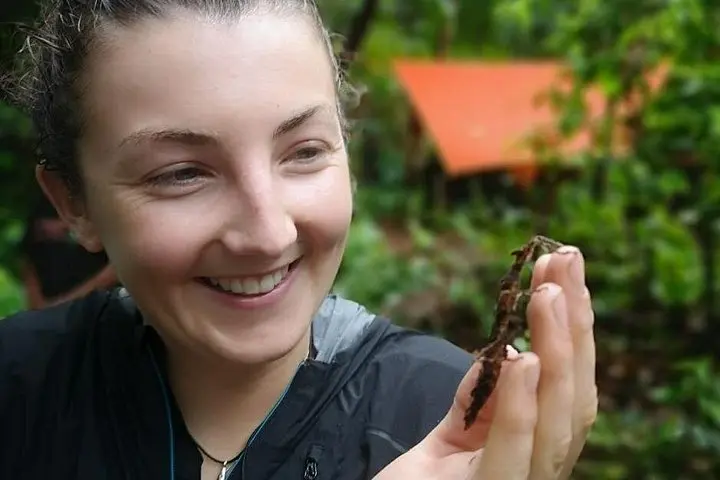
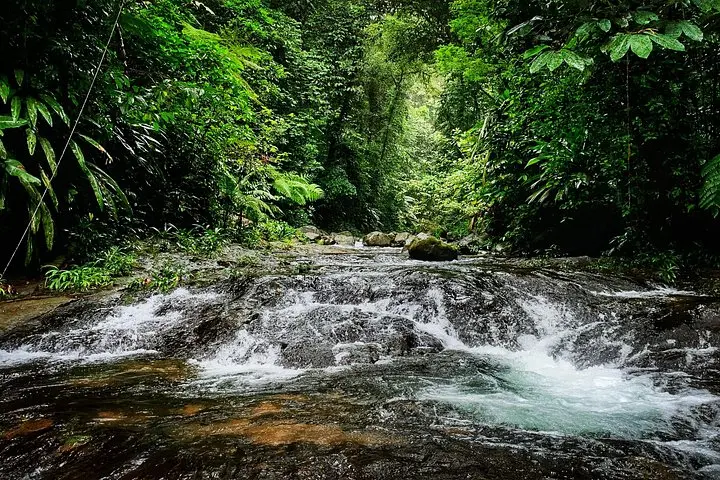
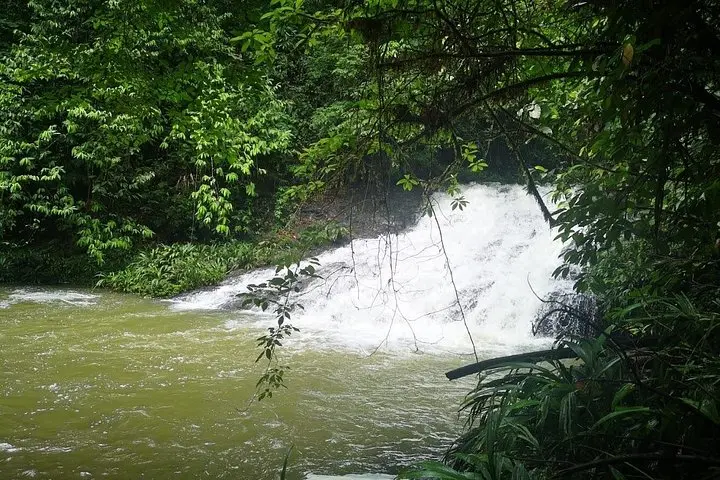
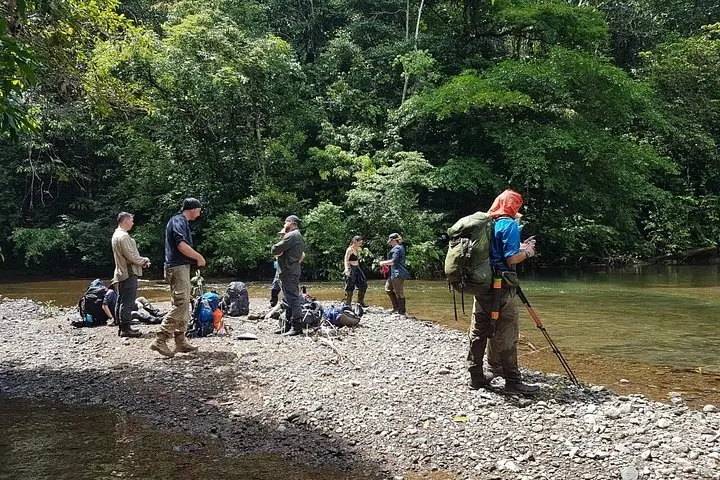
Mornings on the Camino Real begin with humid air and the rumble of distant rivers; the trail climbs out of coastal scrub and drops into primary rainforest where sunlight punches through high canopies in narrow beams. Walkers move from village tracks to root-strewn jungle passes, crossing shallow rivers and small waterfalls that push the party forward with the sound of moving water.
Mornings on the Camino Real begin with humid air and the rumble of distant rivers; the trail climbs out of coastal scrub and drops into primary rainforest where sunlight punches through high canopies in narrow beams. Walkers move from village tracks to root-strewn jungle passes, crossing shallow rivers and small waterfalls that push the party forward with the sound of moving water.
This route follows a historic corridor used by Indigenous peoples and later exploited by Spanish conquistadors moving goods between oceans. The geology shifts from coastal alluvium to weathered volcanic ridges and eroded clay soil, creating steep, technical sections interspersed with flat river beaches where camps form. Local Afro-Panamanian and Indigenous cultural traces—thatch huts, oral histories, and colonial-era relics—appear along the way and are interpreted by bilingual guides.
Expect dense, biodiverse rainforest—epiphytes clinging to buttressed trunks, loud cicada choruses, and sudden downpours—so timing and waterproofing matter. Practical realities: daily distances vary from about 5–8 miles over uneven, often muddy terrain with river crossings; hammocks are provided for jungle camping; food is hearty, locally sourced.
Pack quick-dry layers, a solid rain shell, and bug protection. Hydration and electrolyte management are essential in tropical heat. Move deliberately on rooty descents, and let guides manage navigation and river fords. With moderate fitness and respect for local customs and conservation rules, the Camino Real is a compact, historically rich wilderness crossing that rewards steady effort with remote beaches, waterfall swims, and a real sense of traversing Panama’s spine.