THE ADVENTURE COLLECTIVE® · Independent discovery and booking for outdoor travel

Explore Campania’s wines in a two-hour masterclass in Sorrento that pairs three regional bottles with traditional foods. Learn how Vesuvius, coastal air and hillside soils shape native varieties like Aglianico, Fiano and Greco di Tufo.
Explore Campania’s wines in a two-hour masterclass in Sorrento that pairs three regional bottles with traditional foods. Learn how Vesuvius, coastal air and hillside soils shape native varieties like Aglianico, Fiano and Greco di Tufo.
You step through a low-lit doorway in Sorrento to the smell of warm bread and simmering tomato; a row of stemmed glasses catches the late-afternoon light as the host sets out three bottles from Campania. The room hums with focused conversation—this is not a rushed tourist pour but a two-hour masterclass that walks the palate through volcanic ash, coastal breezes and inland hills.
Verified experiences and guided adventures in the surrounding area.
Operated by In Vino Veritas · Sorrento, Campania
You step through a low-lit doorway in Sorrento to the smell of warm bread and simmering tomato; a row of stemmed glasses catches the late-afternoon light as the host sets out three bottles from Campania. The room hums with focused conversation—this is not a rushed tourist pour but a two-hour masterclass that walks the palate through volcanic ash, coastal breezes and inland hills.
Campania’s identity is geological and cultural: Vesuvius and the region’s tuff soils give Aglianico its structure, while the calcareous terraces around Avellino produce saline-driven Fiano and Greco di Tufo. Winemaking here traces back to the Greeks and Romans; families in small communes still use traditional presses alongside modern cellar tech. Expect talk of DOCG and DOC designations, and how microclimates—sea spray versus elevation—shape acidity and aroma.
Practically, the session includes three bottle tastings with regional food pairings and guided sensory notes. It’s a private setting suitable for all fitness levels, about two hours long, and easy to reach by public transport from central Sorrento.
Go prepared: skip heavy perfumes, pace your sips, and alternate with water. Ask about bottle-buying options if a producer intrigues you—hosts often connect guests with local cantinas. If you plan to sample broadly, arrange transport afterward; tasting is educational but cumulative. This masterclass offers a compact, sensory-driven map of Campania’s wines—rooted in place, served with food, and explained with the kind of detail that turns a test sip into an informed preference.
The class includes a guided tasting of three bottles chosen to showcase Campania’s diversity, paired with regional food.
Infants are allowed but must sit on an adult’s lap; the experience is designed for adults due to alcohol service.
Yes—organizers recommend arranging a taxi or hotel transfer if you plan to drink; public transport options exist but may be limited late evening.
Often yes—hosts usually facilitate purchases or advise where to find featured producers locally or through regional distributors.
In Vino Veritas operates guided outdoor trips and adventures with an emphasis on safety, stewardship, and memorable experiences.
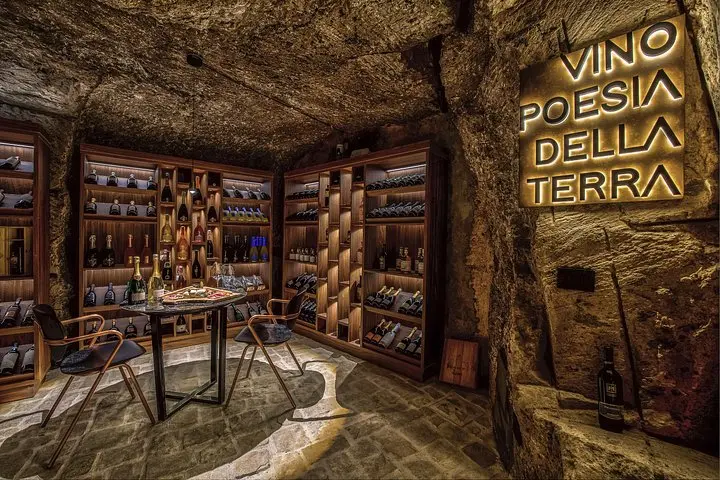
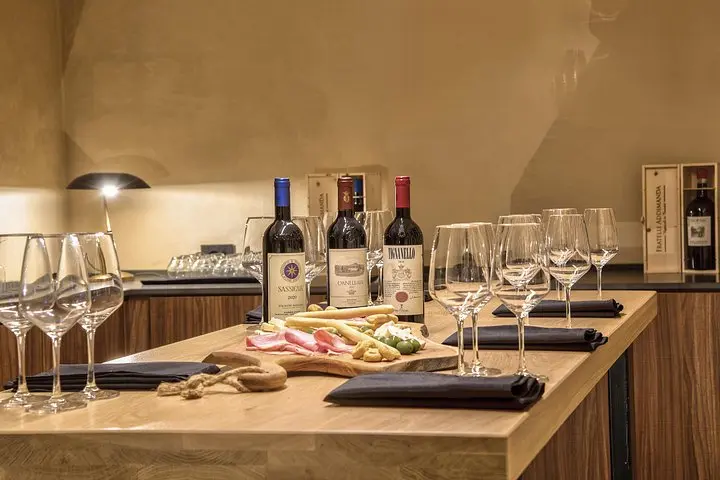
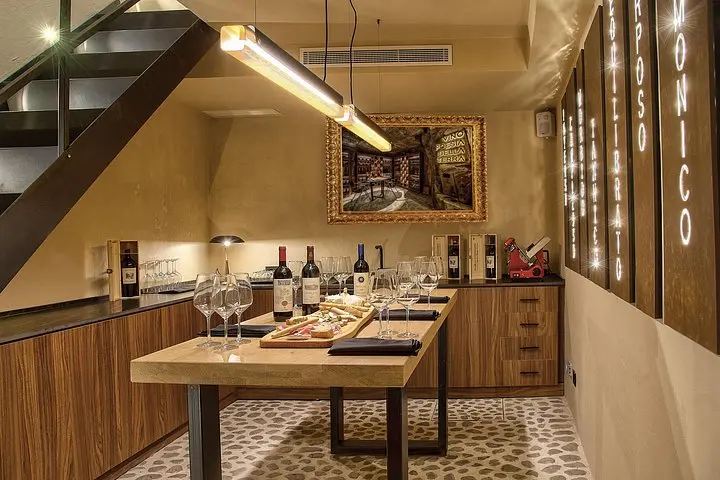
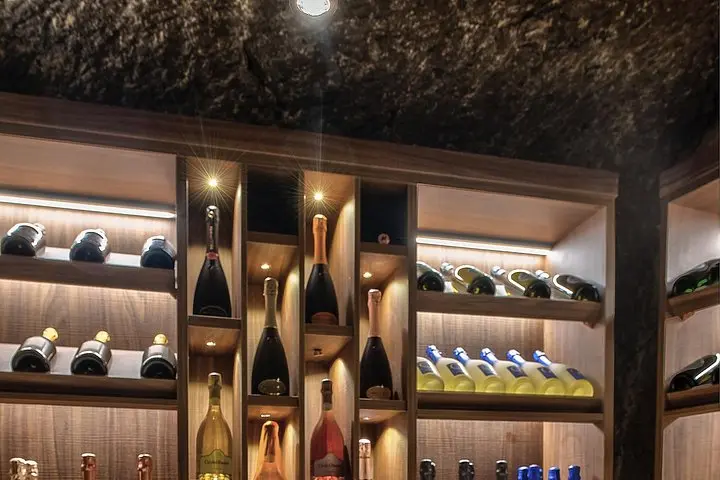
You step through a low-lit doorway in Sorrento to the smell of warm bread and simmering tomato; a row of stemmed glasses catches the late-afternoon light as the host sets out three bottles from Campania. The room hums with focused conversation—this is not a rushed tourist pour but a two-hour masterclass that walks the palate through volcanic ash, coastal breezes and inland hills.
You step through a low-lit doorway in Sorrento to the smell of warm bread and simmering tomato; a row of stemmed glasses catches the late-afternoon light as the host sets out three bottles from Campania. The room hums with focused conversation—this is not a rushed tourist pour but a two-hour masterclass that walks the palate through volcanic ash, coastal breezes and inland hills.
Campania’s identity is geological and cultural: Vesuvius and the region’s tuff soils give Aglianico its structure, while the calcareous terraces around Avellino produce saline-driven Fiano and Greco di Tufo. Winemaking here traces back to the Greeks and Romans; families in small communes still use traditional presses alongside modern cellar tech. Expect talk of DOCG and DOC designations, and how microclimates—sea spray versus elevation—shape acidity and aroma.
Practically, the session includes three bottle tastings with regional food pairings and guided sensory notes. It’s a private setting suitable for all fitness levels, about two hours long, and easy to reach by public transport from central Sorrento.
Go prepared: skip heavy perfumes, pace your sips, and alternate with water. Ask about bottle-buying options if a producer intrigues you—hosts often connect guests with local cantinas. If you plan to sample broadly, arrange transport afterward; tasting is educational but cumulative. This masterclass offers a compact, sensory-driven map of Campania’s wines—rooted in place, served with food, and explained with the kind of detail that turns a test sip into an informed preference.