THE ADVENTURE COLLECTIVE® · Independent discovery and booking for outdoor travel
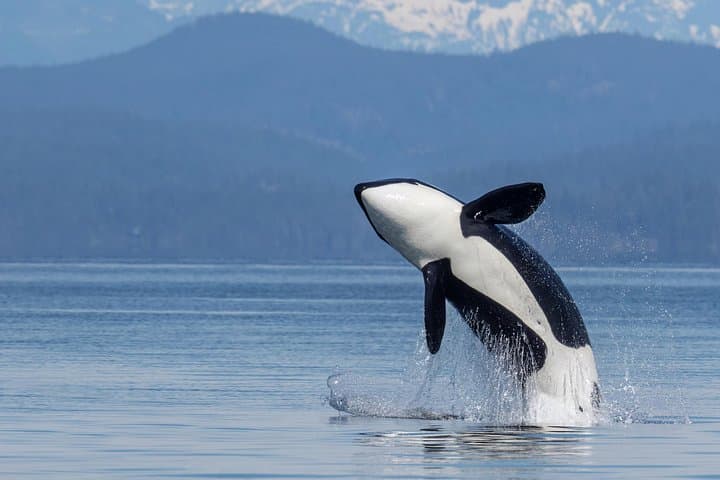
Board a four‑hour wildlife cruise from Campbell River for a chance to see orcas, humpbacks, dolphins, seals, and shoreline bears. Expect knowledgeable guides, tidal channels favored by whales, and practical advice for a comfortable outing.
Board a four‑hour wildlife cruise from Campbell River for a chance to see orcas, humpbacks, dolphins, seals, and shoreline bears. Expect knowledgeable guides, tidal channels favored by whales, and practical advice for a comfortable outing.
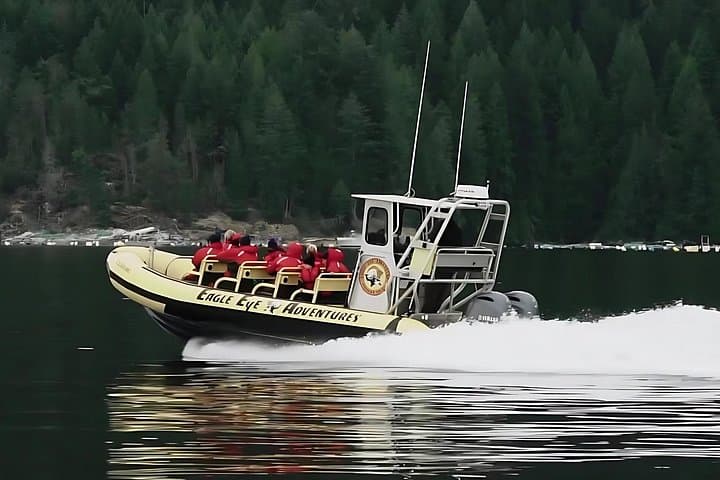
Fog lifts off Discovery Passage as the boat eases out of Campbell River harbour and the shoreline slides into a succession of spruce-clad bluffs and rocky beaches. Salt air and coffee mix on deck while guides scan the horizon; dorsal fins cutting the surface are the signal to move quietly, cameras ready.
Verified experiences and guided adventures in the surrounding area.
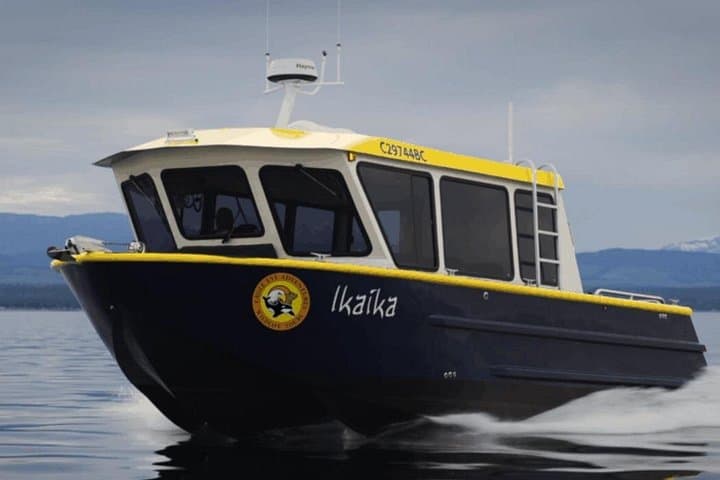
Operated by Eagle Eye Adventures · Campbell River, British Columbia
Fog lifts off Discovery Passage as the boat eases out of Campbell River harbour and the shoreline slides into a succession of spruce-clad bluffs and rocky beaches. Salt air and coffee mix on deck while guides scan the horizon; dorsal fins cutting the surface are the signal to move quietly, cameras ready.
The waters off northern Vancouver Island are carved by glacial action and tides—deep channels and sheltered inlets that concentrate forage fish and, with them, large predators. The area sits on the traditional territories of the Weiwaikum and neighboring Kwakwakaʼwakw peoples, who have fished and travelled these waters for millennia; modern whale watching builds on that marine knowledge.
On a typical four‑hour outing, expect a mix of open-channel steaming and slow drifting near feeding or travel corridors. Orcas and humpbacks are the headline, but you’ll also see Pacific white‑sided dolphins, seals, and bald eagles working the sky. Guides interpret behavior and local ecology while keeping to Fisheries and Oceans Canada approach guidelines.
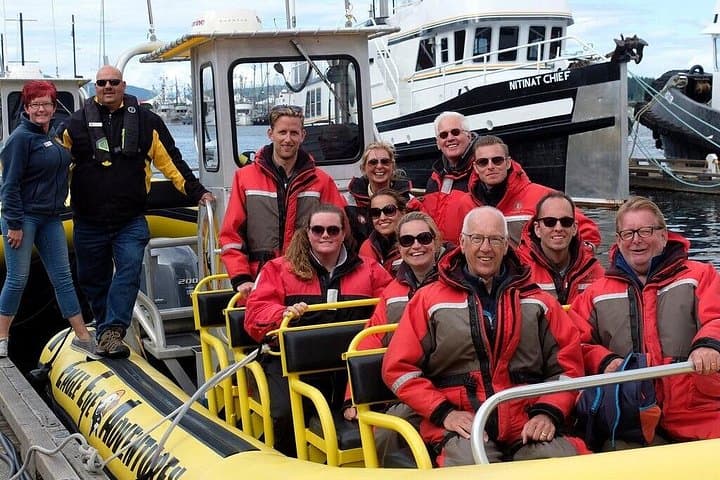
Practicalities: arrive 30 minutes early for briefing and boarding; wear layers and a waterproof outer layer; secure loose gear and use a low shutter speed for wildlife shots. Seas can be calm or choppy—take motion‑sickness precautions if you’re sensitive. Bring binoculars, a warm hat, and a sense of patience: sightings are natural events and timing varies.
This cruise is an efficient way to encounter coastal megafauna and learn about local marine ecosystems without committing to a full‑day expedition.
Sightings are common in these waters but never guaranteed; guides operate in known travel and feeding corridors to maximize opportunities.
Yes—infant seats are available and the trip is rated easy, but parents should consider sea conditions and motion sensitivity for young children.
All sales are final, but tours may be canceled by the operator for bad weather or insufficient travelers; check booking terms and arrive early for updates.
Light snacks and bottled water are provided; operators typically prohibit alcohol—confirm specifics with the operator before boarding.
Eagle Eye Adventures operates guided outdoor trips and adventures with an emphasis on safety, stewardship, and memorable experiences.
Fog lifts off Discovery Passage as the boat eases out of Campbell River harbour and the shoreline slides into a succession of spruce-clad bluffs and rocky beaches. Salt air and coffee mix on deck while guides scan the horizon; dorsal fins cutting the surface are the signal to move quietly, cameras ready.
Fog lifts off Discovery Passage as the boat eases out of Campbell River harbour and the shoreline slides into a succession of spruce-clad bluffs and rocky beaches. Salt air and coffee mix on deck while guides scan the horizon; dorsal fins cutting the surface are the signal to move quietly, cameras ready.
The waters off northern Vancouver Island are carved by glacial action and tides—deep channels and sheltered inlets that concentrate forage fish and, with them, large predators. The area sits on the traditional territories of the Weiwaikum and neighboring Kwakwakaʼwakw peoples, who have fished and travelled these waters for millennia; modern whale watching builds on that marine knowledge.
On a typical four‑hour outing, expect a mix of open-channel steaming and slow drifting near feeding or travel corridors. Orcas and humpbacks are the headline, but you’ll also see Pacific white‑sided dolphins, seals, and bald eagles working the sky. Guides interpret behavior and local ecology while keeping to Fisheries and Oceans Canada approach guidelines.
Practicalities: arrive 30 minutes early for briefing and boarding; wear layers and a waterproof outer layer; secure loose gear and use a low shutter speed for wildlife shots. Seas can be calm or choppy—take motion‑sickness precautions if you’re sensitive. Bring binoculars, a warm hat, and a sense of patience: sightings are natural events and timing varies.
This cruise is an efficient way to encounter coastal megafauna and learn about local marine ecosystems without committing to a full‑day expedition.
