THE ADVENTURE COLLECTIVE® · Independent discovery and booking for outdoor travel

Two days of guided camping in the Sierra Gorda Biosphere Reserve, moving from river camps to a hidden waterfall. Tents, meals and guides are included—bring boots, a headlamp and an appetite for steep, scenic trails.
Two days of guided camping in the Sierra Gorda Biosphere Reserve, moving from river camps to a hidden waterfall. Tents, meals and guides are included—bring boots, a headlamp and an appetite for steep, scenic trails.
Morning mist lifts off the Río Extoraz as guides tighten tent guy-lines and the first coffee steams in enamel mugs. You wake with the river's rush just a few meters away, the canyon walls already warming with the sun. The route moves from riverbank camps to a forested trail that climbs and drops through oak and pine, leading to a hidden waterfall carved into volcanic rock.
Verified experiences and guided adventures in the surrounding area.
Operated by Jardón Outfitters · San Joaquín, Querétaro
Morning mist lifts off the Río Extoraz as guides tighten tent guy-lines and the first coffee steams in enamel mugs. You wake with the river's rush just a few meters away, the canyon walls already warming with the sun. The route moves from riverbank camps to a forested trail that climbs and drops through oak and pine, leading to a hidden waterfall carved into volcanic rock.
The Sierra Gorda is a UNESCO-recognized biosphere reserve that protects steep canyons and a junction of temperate and tropical life zones. Colonial-era mission churches and communities of Otomí and Pame people mark a layered human history; trails here have long been routes for local trade and seasonal grazing. Geologically, the landscape is a patchwork of limestone cliffs, volcanic outcrops and river-polished boulders that shape waterfalls and natural pools.
Expect uneven, rocky trails, several shallow river fords and an 8 km approach to an off-the-beaten-path cascade. Guides handle camp set-up, meals and basic first aid; tents sleep two to three. Nights are for strings of stars and the river’s low roar; days are for hiking, photography and cooling off in clear pools.
Practical guidance: wear sturdy boots, bring a headlamp and a 2–3 liter hydration system, and plan for afternoon storms in summer. Cell service is intermittent—carry a physical map or download offline maps. Leave no trace: pack out trash and avoid soap in the river. This trip balances active hiking with attentive, low-impact camping—ideal for travelers who want wilderness access without the logistics of self-supported backcountry travel.
Tents for two to three people are provided and set up by staff; confirm whether sleeping pads or bags are included when you book.
Expect an 8 km round or one-way hike over uneven terrain with some elevation change; it’s classified moderate and suitable for most active travelers.
Guides can supply boiled or treated water during the trip, but you should bring a refillable bottle and a small purifier as a backup.
Not recommended for travelers with spinal, heart conditions or pregnancy due to rugged terrain and river crossings; check with the operator for specific limits.
Jardón Outfitters operates guided outdoor trips and adventures with an emphasis on safety, stewardship, and memorable experiences.
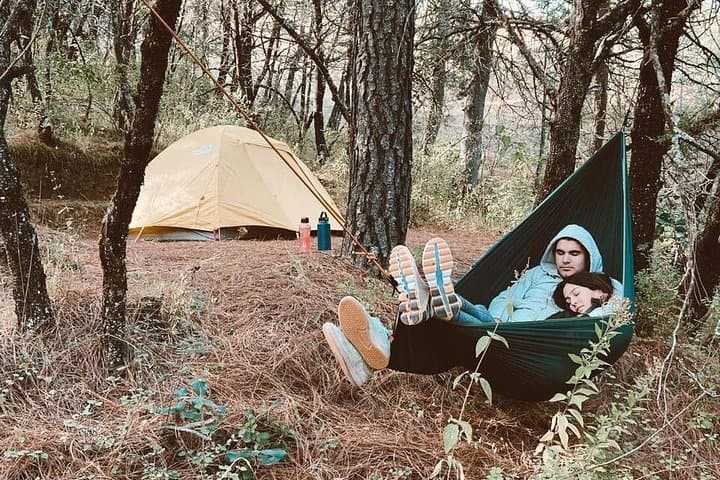


Morning mist lifts off the Río Extoraz as guides tighten tent guy-lines and the first coffee steams in enamel mugs. You wake with the river's rush just a few meters away, the canyon walls already warming with the sun. The route moves from riverbank camps to a forested trail that climbs and drops through oak and pine, leading to a hidden waterfall carved into volcanic rock.
Morning mist lifts off the Río Extoraz as guides tighten tent guy-lines and the first coffee steams in enamel mugs. You wake with the river's rush just a few meters away, the canyon walls already warming with the sun. The route moves from riverbank camps to a forested trail that climbs and drops through oak and pine, leading to a hidden waterfall carved into volcanic rock.
The Sierra Gorda is a UNESCO-recognized biosphere reserve that protects steep canyons and a junction of temperate and tropical life zones. Colonial-era mission churches and communities of Otomí and Pame people mark a layered human history; trails here have long been routes for local trade and seasonal grazing. Geologically, the landscape is a patchwork of limestone cliffs, volcanic outcrops and river-polished boulders that shape waterfalls and natural pools.
Expect uneven, rocky trails, several shallow river fords and an 8 km approach to an off-the-beaten-path cascade. Guides handle camp set-up, meals and basic first aid; tents sleep two to three. Nights are for strings of stars and the river’s low roar; days are for hiking, photography and cooling off in clear pools.
Practical guidance: wear sturdy boots, bring a headlamp and a 2–3 liter hydration system, and plan for afternoon storms in summer. Cell service is intermittent—carry a physical map or download offline maps. Leave no trace: pack out trash and avoid soap in the river. This trip balances active hiking with attentive, low-impact camping—ideal for travelers who want wilderness access without the logistics of self-supported backcountry travel.