THE ADVENTURE COLLECTIVE® · Independent discovery and booking for outdoor travel

Spend a full Saturday visiting the noisy buffalo pens and colorful stalls of Can Cau, then the broader ethnic market at Bac Ha. This private, guided tour from Sapa combines culture, bargaining and a roadside portrait of life in Vietnam’s northern highlands.
Spend a full Saturday visiting the noisy buffalo pens and colorful stalls of Can Cau, then the broader ethnic market at Bac Ha. This private, guided tour from Sapa combines culture, bargaining and a roadside portrait of life in Vietnam’s northern highlands.
On a cool Saturday morning the road from Sapa slices through terraced rice slopes and climbs toward the limestone ridges that guard Vietnam’s border with China. By the time you arrive, the market is already a moving, living marketplace—voices calling, livestock lowing, traders rearranging bundles of fabric and baskets of corn wine. Can Cau sits higher and rawer, the buffalo pen a loud, earthy spectacle; Bac Ha that follows feels broader, a larger stage for Hmong, Nung and other minority groups in bright, hand-sewn garments.
Verified experiences and guided adventures in the surrounding area.
Operated by Asia Pearl Travel Day Tours · Bac Ha, Lao Cai
On a cool Saturday morning the road from Sapa slices through terraced rice slopes and climbs toward the limestone ridges that guard Vietnam’s border with China. By the time you arrive, the market is already a moving, living marketplace—voices calling, livestock lowing, traders rearranging bundles of fabric and baskets of corn wine. Can Cau sits higher and rawer, the buffalo pen a loud, earthy spectacle; Bac Ha that follows feels broader, a larger stage for Hmong, Nung and other minority groups in bright, hand-sewn garments.
These markets trace decades of cross-border trade and local social life: Saturday at Can Cau historically drew border traders and mountain communities, while Bac Ha evolved into a regional hub where buffalo trading, textile exchange and rites of marriage take place alongside daily commerce. The geology here—karst ridges and steep valleys—has shaped travel routes and clustering of villages; markets appear where roads and river fords meet.
Expect packed dirt lanes, uneven surfaces and a sensory overload of colors, smells and bargaining. The tour is vehicle-led from Sapa, with roughly 2–3 hours driving between stops and a full-day schedule (about 11 hours). You’ll have guided context for ethnic dress, local crafts and the buffalo trade, and a lunch at a town restaurant is included.
Practical edge: carry small-denomination cash, arrive early to catch the busiest exchanges, wear sturdy shoes for mud and animal pens, and ask before photographing people. Hydrate, layer for mountain sun and wind, and be ready for a full day of walking and watching—this is cultural fieldwork as much as it is sightseeing.
The tour is approximately 11 hours and typically includes pickup from Sapa, private transport, a local guide, bottled water and lunch at a town restaurant.
Yes—textiles, produce and even buffalo are traded publicly; prices are negotiable and purchases should be made with small cash notes.
The tour is vehicle-based and suitable for most ages, but market surfaces are uneven and crowded—those with limited mobility may find it challenging.
No permits are needed to visit the markets; however, Can Cau is close to the China border so follow guide instructions and stay within public market areas.
Asia Pearl Travel Day Tours operates guided outdoor trips and adventures with an emphasis on safety, stewardship, and memorable experiences.
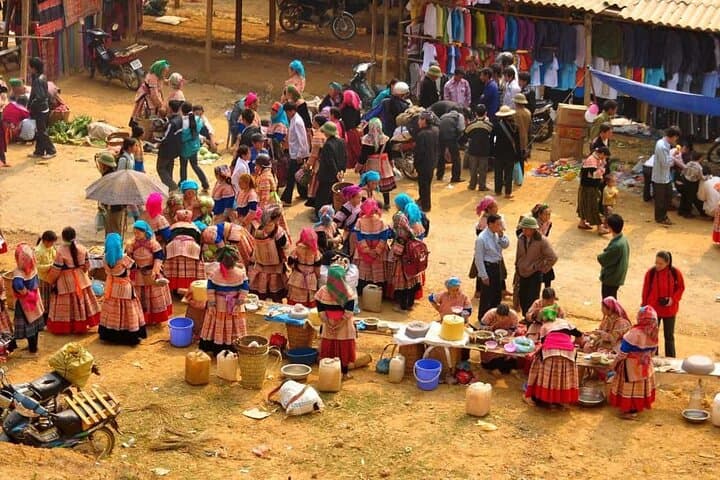

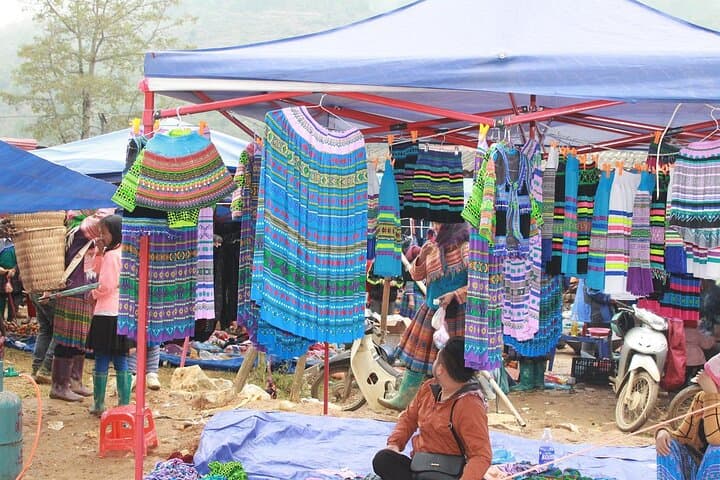
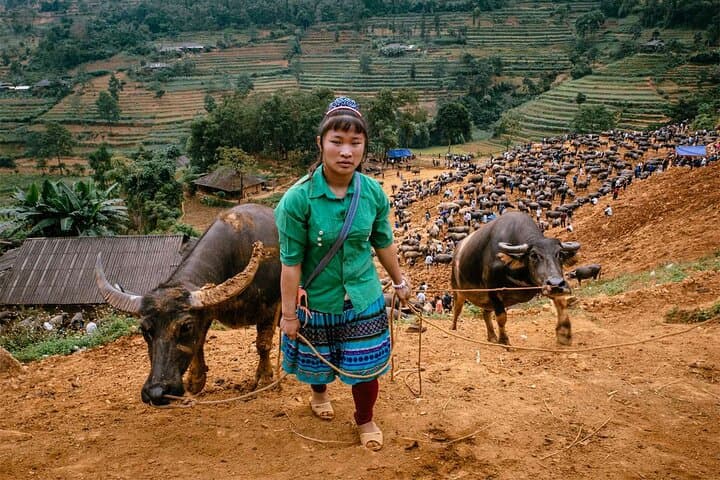
On a cool Saturday morning the road from Sapa slices through terraced rice slopes and climbs toward the limestone ridges that guard Vietnam’s border with China. By the time you arrive, the market is already a moving, living marketplace—voices calling, livestock lowing, traders rearranging bundles of fabric and baskets of corn wine. Can Cau sits higher and rawer, the buffalo pen a loud, earthy spectacle; Bac Ha that follows feels broader, a larger stage for Hmong, Nung and other minority groups in bright, hand-sewn garments.
On a cool Saturday morning the road from Sapa slices through terraced rice slopes and climbs toward the limestone ridges that guard Vietnam’s border with China. By the time you arrive, the market is already a moving, living marketplace—voices calling, livestock lowing, traders rearranging bundles of fabric and baskets of corn wine. Can Cau sits higher and rawer, the buffalo pen a loud, earthy spectacle; Bac Ha that follows feels broader, a larger stage for Hmong, Nung and other minority groups in bright, hand-sewn garments.
These markets trace decades of cross-border trade and local social life: Saturday at Can Cau historically drew border traders and mountain communities, while Bac Ha evolved into a regional hub where buffalo trading, textile exchange and rites of marriage take place alongside daily commerce. The geology here—karst ridges and steep valleys—has shaped travel routes and clustering of villages; markets appear where roads and river fords meet.
Expect packed dirt lanes, uneven surfaces and a sensory overload of colors, smells and bargaining. The tour is vehicle-led from Sapa, with roughly 2–3 hours driving between stops and a full-day schedule (about 11 hours). You’ll have guided context for ethnic dress, local crafts and the buffalo trade, and a lunch at a town restaurant is included.
Practical edge: carry small-denomination cash, arrive early to catch the busiest exchanges, wear sturdy shoes for mud and animal pens, and ask before photographing people. Hydrate, layer for mountain sun and wind, and be ready for a full day of walking and watching—this is cultural fieldwork as much as it is sightseeing.