THE ADVENTURE COLLECTIVE® · Independent discovery and booking for outdoor travel

Four days between Can Tho’s floating markets, Tra Su’s cajuput forest and rural bicycle rides offer an intimate view of Mekong life. Early mornings, sampan cruises and family-run farms make this a compact, accessible immersion into delta culture and wildlife.
Four days between Can Tho’s floating markets, Tra Su’s cajuput forest and rural bicycle rides offer an intimate view of Mekong life. Early mornings, sampan cruises and family-run farms make this a compact, accessible immersion into delta culture and wildlife.
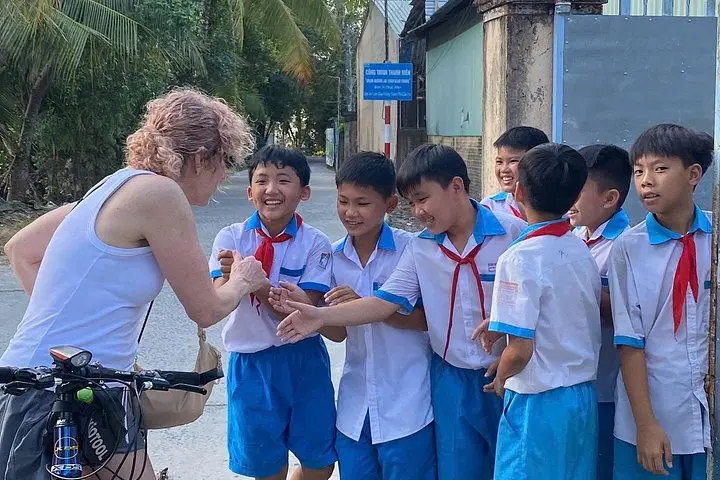
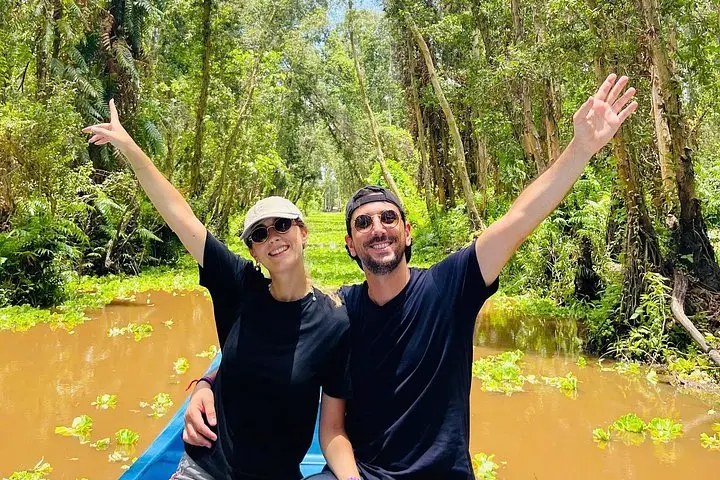
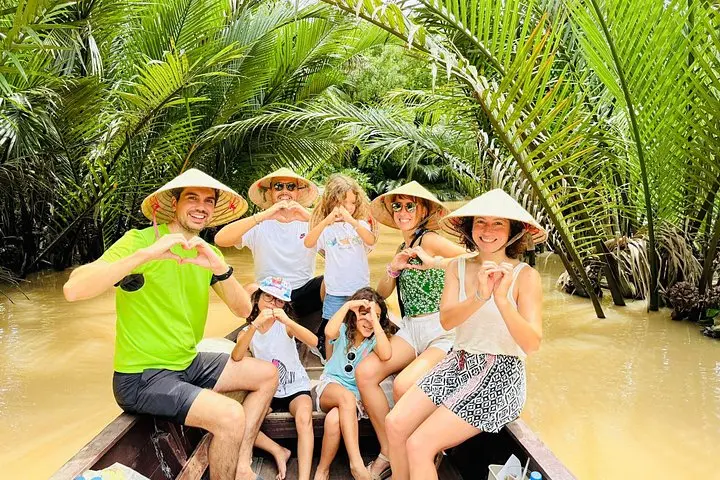
Dawn arrives on the Mekong like a slow breath: longboats slip past palm-fringed houses, coffee steam rises from conical-lidded cups, and the market wakes with a chorus of calls and oars. On this four-day route out of Can Tho you move between water and land—sampan rides through lotus-studded channels, a paddle into Tra Su’s cajuput lanes, and low-traffic roads for an easy bicycle that threads rice paddies and fruit gardens.
Verified experiences and guided adventures in the surrounding area.
Operated by Mekong Realism · Can Tho, Can Tho
Dawn arrives on the Mekong like a slow breath: longboats slip past palm-fringed houses, coffee steam rises from conical-lidded cups, and the market wakes with a chorus of calls and oars. On this four-day route out of Can Tho you move between water and land—sampan rides through lotus-studded channels, a paddle into Tra Su’s cajuput lanes, and low-traffic roads for an easy bicycle that threads rice paddies and fruit gardens.
The Mekong Delta is young geology—recent alluvial deposits shaped by silt and seasonal floods—so the landscape changes with each monsoon. Decades of Khmer and Vietnamese culture show in wooden workshops, floating markets like Cai Rang where produce is bartered from bow to bow, and family-run rice noodle and cocoa operations that still follow generational methods. Tra Su’s cajuput stands and Mua Xuan wetlands are important bird corridors; lookout towers give a broad read of the delta’s flat, watery mosaics.
Practical guidance: expect early starts—markets and birdlife are best at first light—and bring insect protection and sun layers for long boat journeys. Boat transfers are usually short; wear shoes that shed mud and a light rain shell for sudden tropical showers. Carry small-denomination dong for local purchases and tip guides and boat crews modestly.
This itinerary balances relaxed pacing with active moments: gentle cycling (short stretches on unpaved lanes), standing in boats to photograph wandering storks, and short hikes on reserve trails. It’s an accessible, sensory way to read the Mekong’s rhythms and leave with a clearer sense of how river, season and community sustain each other.
Yes—cycling segments are optional or easy-paced; guides can arrange alternative transport for guests who prefer not to ride.
Floating market visits usually begin before sunrise (around 5:30–6:30 AM) to catch peak activity and cooler conditions.
Most breakfasts, several lunches and dinners are included; notify the operator of dietary restrictions at booking so local kitchens can prepare alternatives.
Bring standard travel vaccinations, stay current on tetanus and hepatitis recommendations, drink bottled water, and use insect protection in wetlands.
Mekong Realism operates guided outdoor trips and adventures with an emphasis on safety, stewardship, and memorable experiences.
Dawn arrives on the Mekong like a slow breath: longboats slip past palm-fringed houses, coffee steam rises from conical-lidded cups, and the market wakes with a chorus of calls and oars. On this four-day route out of Can Tho you move between water and land—sampan rides through lotus-studded channels, a paddle into Tra Su’s cajuput lanes, and low-traffic roads for an easy bicycle that threads rice paddies and fruit gardens.
Dawn arrives on the Mekong like a slow breath: longboats slip past palm-fringed houses, coffee steam rises from conical-lidded cups, and the market wakes with a chorus of calls and oars. On this four-day route out of Can Tho you move between water and land—sampan rides through lotus-studded channels, a paddle into Tra Su’s cajuput lanes, and low-traffic roads for an easy bicycle that threads rice paddies and fruit gardens.
The Mekong Delta is young geology—recent alluvial deposits shaped by silt and seasonal floods—so the landscape changes with each monsoon. Decades of Khmer and Vietnamese culture show in wooden workshops, floating markets like Cai Rang where produce is bartered from bow to bow, and family-run rice noodle and cocoa operations that still follow generational methods. Tra Su’s cajuput stands and Mua Xuan wetlands are important bird corridors; lookout towers give a broad read of the delta’s flat, watery mosaics.
Practical guidance: expect early starts—markets and birdlife are best at first light—and bring insect protection and sun layers for long boat journeys. Boat transfers are usually short; wear shoes that shed mud and a light rain shell for sudden tropical showers. Carry small-denomination dong for local purchases and tip guides and boat crews modestly.
This itinerary balances relaxed pacing with active moments: gentle cycling (short stretches on unpaved lanes), standing in boats to photograph wandering storks, and short hikes on reserve trails. It’s an accessible, sensory way to read the Mekong’s rhythms and leave with a clearer sense of how river, season and community sustain each other.