THE ADVENTURE COLLECTIVE® · Independent discovery and booking for outdoor travel

Walk a compact, thoughtfully interpreted archaeological complex 25 km west of San Miguel de Allende. This guided half-day tour covers four patio-pyramid complexes, an ancient pond and ceremonial causeway with transport and bilingual interpretation included.
Walk a compact, thoughtfully interpreted archaeological complex 25 km west of San Miguel de Allende. This guided half-day tour covers four patio-pyramid complexes, an ancient pond and ceremonial causeway with transport and bilingual interpretation included.
You arrive on a low mesa that lifts from the Bajío plain, wind scraping at the scrub and pockets of century-old cacti. The stone platforms sit like deliberate gestures against the sky; canyons hem the site and the air smells faintly of dust and grass. A guide from Coyote Canyon Adventures sets the pace, pointing out alignments and the old causeway that once connected ritual spaces.
Verified experiences and guided adventures in the surrounding area.
Operated by Coyote Canyon Adventures · San Miguel de Allende, Guanajuato
You arrive on a low mesa that lifts from the Bajío plain, wind scraping at the scrub and pockets of century-old cacti. The stone platforms sit like deliberate gestures against the sky; canyons hem the site and the air smells faintly of dust and grass. A guide from Coyote Canyon Adventures sets the pace, pointing out alignments and the old causeway that once connected ritual spaces.
Occupied between roughly 540–1050 AD, Cañada de la Virgen records the movement of Otomi and regional Mesoamerican groups. The complex of four patio-pyramid courts, an artificial pond, and ceremonial causeway sits on limestone bedrock carved by seasonal runoff—geology that shaped where people lived and how water gathered. Local culture is still present: placards and the visitor center reference Otomi practices and the wider Bajío traditions. Small interpretive signs and guided stories bring the architecture into human scale.
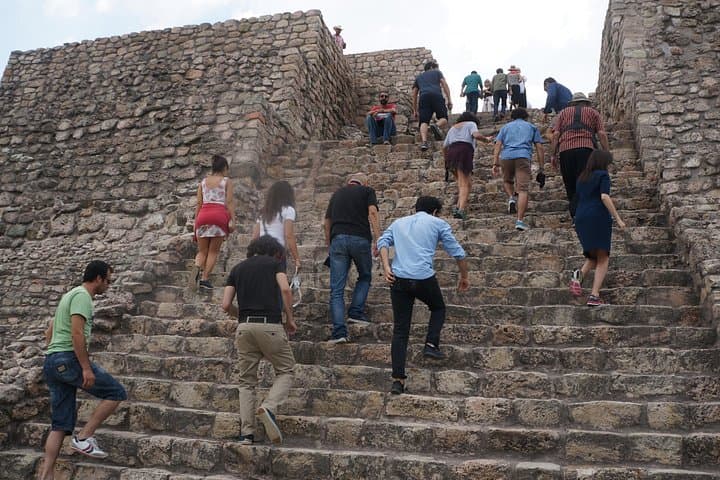
Practical guidance: expect about 3 km (2 miles) of walking over uneven packed-earth and stone surfaces during the site visit—roughly two hours on-site within a half-day tour (transport included). Sun is a constant here; the mesa offers little shade, and the causeway and plazas reflect heat. No backpacks are allowed inside the ruins, so carry only what the guide permits. Cameras, water, and small bags are OK.
Plan to arrive hydrated, wear supportive shoes with good tread, and bring layered sun protection. The experience balances quiet field archaeology with clear, hands-on interpretation—an accessible half-day that connects landscape, history, and material culture.
The full excursion runs about 5–6 hours including transport; you’ll walk approximately 3 km (2 miles) on-site over roughly two hours.
No—large backpacks are not permitted inside the ruins; small camera bags, cameras, and water are allowed and larger items can be left in the vehicle.
Minimum age is 3; the route is mostly gentle but uneven—not recommended for those with significant mobility issues or spinal/heart conditions.
Some options include a ranch-style lunch; check the tour option you book. Guides are bilingual (Spanish/English).
Coyote Canyon Adventures operates guided outdoor trips and adventures with an emphasis on safety, stewardship, and memorable experiences.
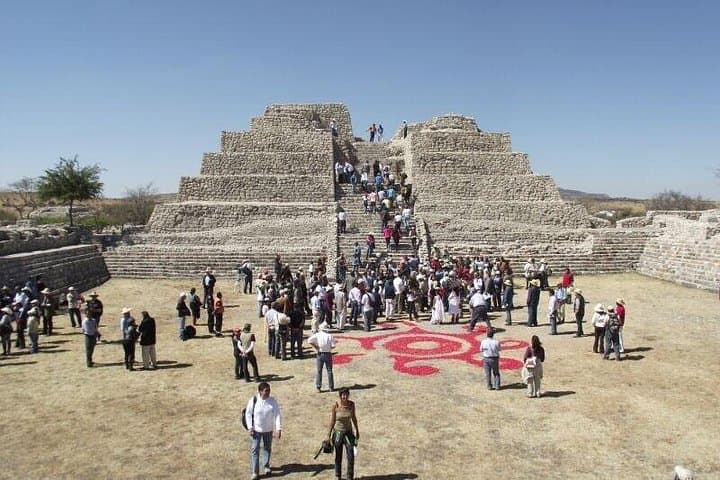
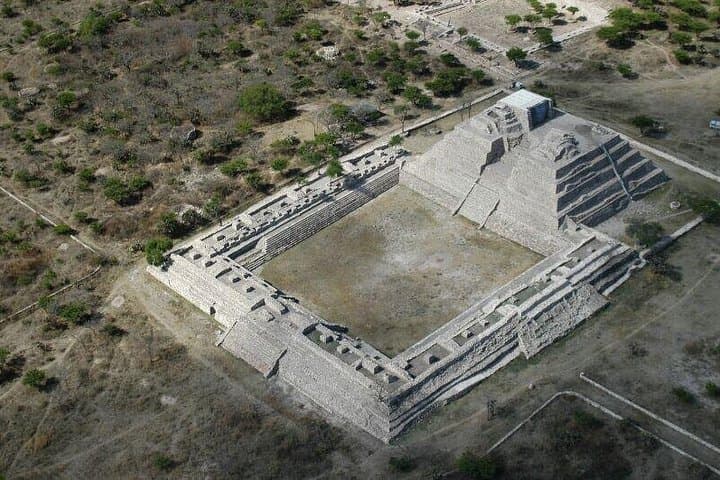
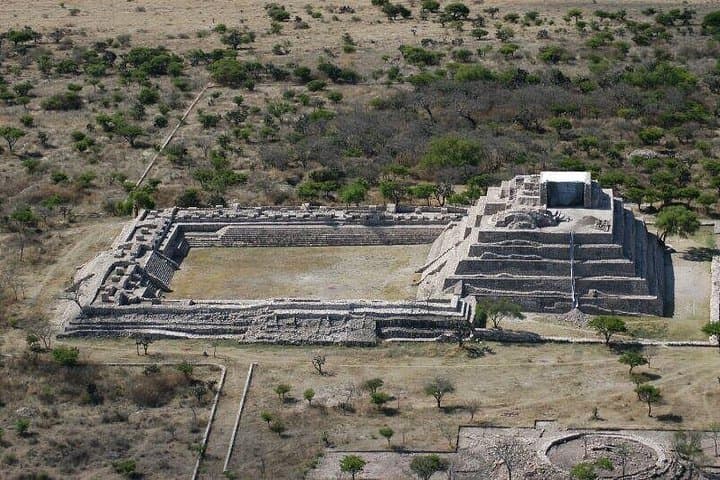
You arrive on a low mesa that lifts from the Bajío plain, wind scraping at the scrub and pockets of century-old cacti. The stone platforms sit like deliberate gestures against the sky; canyons hem the site and the air smells faintly of dust and grass. A guide from Coyote Canyon Adventures sets the pace, pointing out alignments and the old causeway that once connected ritual spaces.
You arrive on a low mesa that lifts from the Bajío plain, wind scraping at the scrub and pockets of century-old cacti. The stone platforms sit like deliberate gestures against the sky; canyons hem the site and the air smells faintly of dust and grass. A guide from Coyote Canyon Adventures sets the pace, pointing out alignments and the old causeway that once connected ritual spaces.
Occupied between roughly 540–1050 AD, Cañada de la Virgen records the movement of Otomi and regional Mesoamerican groups. The complex of four patio-pyramid courts, an artificial pond, and ceremonial causeway sits on limestone bedrock carved by seasonal runoff—geology that shaped where people lived and how water gathered. Local culture is still present: placards and the visitor center reference Otomi practices and the wider Bajío traditions. Small interpretive signs and guided stories bring the architecture into human scale.
Practical guidance: expect about 3 km (2 miles) of walking over uneven packed-earth and stone surfaces during the site visit—roughly two hours on-site within a half-day tour (transport included). Sun is a constant here; the mesa offers little shade, and the causeway and plazas reflect heat. No backpacks are allowed inside the ruins, so carry only what the guide permits. Cameras, water, and small bags are OK.
Plan to arrive hydrated, wear supportive shoes with good tread, and bring layered sun protection. The experience balances quiet field archaeology with clear, hands-on interpretation—an accessible half-day that connects landscape, history, and material culture.