THE ADVENTURE COLLECTIVE® · Independent discovery and booking for outdoor travel

Follow a roaring stream through chestnut woods to the Candalla waterfall, pass 19th-century mill ruins, and emerge in Casoli to see its storytelling graffiti. This guided 4-hour hike covers 8 km and 400 m of elevation on ancient mule tracks.
Follow a roaring stream through chestnut woods to the Candalla waterfall, pass 19th-century mill ruins, and emerge in Casoli to see its storytelling graffiti. This guided 4-hour hike covers 8 km and 400 m of elevation on ancient mule tracks.
A damp, mossy trail opens into a narrow gorge where the Candalla stream dares you forward—water chisels the stone, and the waterfall announces the route with a steady roar. You begin at roughly 400 meters above sea level and follow an old path that climbs through mixed chestnut and oak woodland, the air carrying the mineral tang of limestone and the smell of wet leaves.
Verified experiences and guided adventures in the surrounding area.
Operated by Veronica F. · Camaiore, Tuscany
A damp, mossy trail opens into a narrow gorge where the Candalla stream dares you forward—water chisels the stone, and the waterfall announces the route with a steady roar. You begin at roughly 400 meters above sea level and follow an old path that climbs through mixed chestnut and oak woodland, the air carrying the mineral tang of limestone and the smell of wet leaves.
This route threads 19th-century industrial ruins—former water-powered mills and small factories that once turned the stream’s energy into paper and cloth—into a landscape shaped by the Apennine foothills. The mule track called Via di Lombardia still shows the wheel- and boot-polish of centuries, and the climb finishes in Casoli, a pocket village where bold wall graffiti chronicles local stories and traditions.
The hike is about 8 km with roughly 400 m of elevation change; expect uneven, stony surfaces and short-steep sections. Travel in late spring or early autumn for cooler temperatures and full streams; summer afternoons can be hot and low-water, winter often brings muddy trail conditions.
Practical guide: arrive in hiking boots, carry at least 1–1.5 L of water, and bring a layered rain shell. The route is led by a professional environmental guide and takes about four hours round-trip. Not suitable for those with serious back, heart, or respiratory issues; service animals are allowed. Stay on the trail to protect fragile archaeological remains and leave no trace—these woods are recovering old industry back into habitat, and each visit can either help or harm that process.
The guided route is about 8 km with 400 m of cumulative ascent, taking roughly 4 hours and rated moderate due to uneven terrain and short steep sections.
Meet details are provided at booking; public transport options are nearby but transfers are not included—verify meeting point and arrival recommendations with the operator.
Service animals are allowed; children with good stamina can join but the operator advises moderate fitness and caution on technical sections—check age recommendations when booking.
Trekking shoes, a small backpack, water, layered clothing, and a rain shell; the guide recommends avoiding this walk if you have serious back, heart, or respiratory conditions.
Veronica F. operates guided outdoor trips and adventures with an emphasis on safety, stewardship, and memorable experiences.
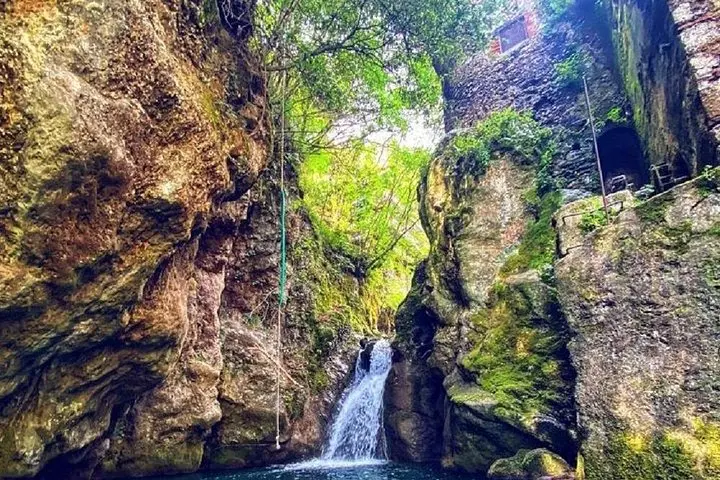
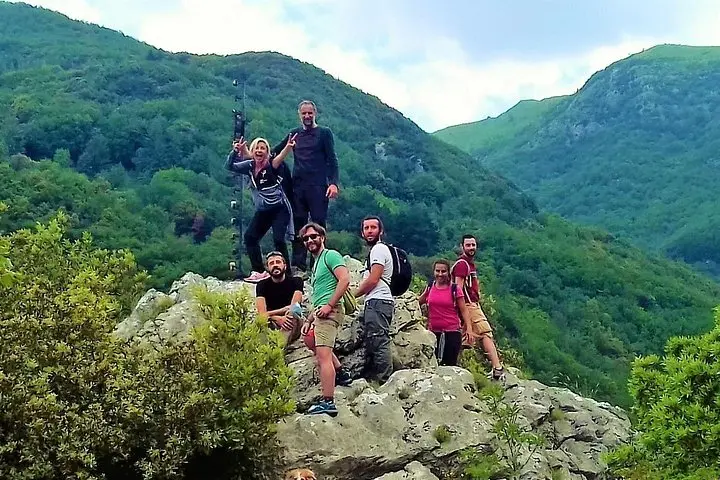
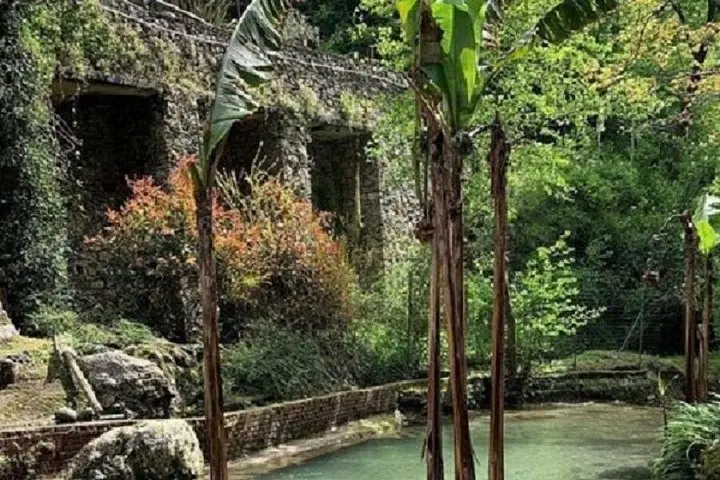
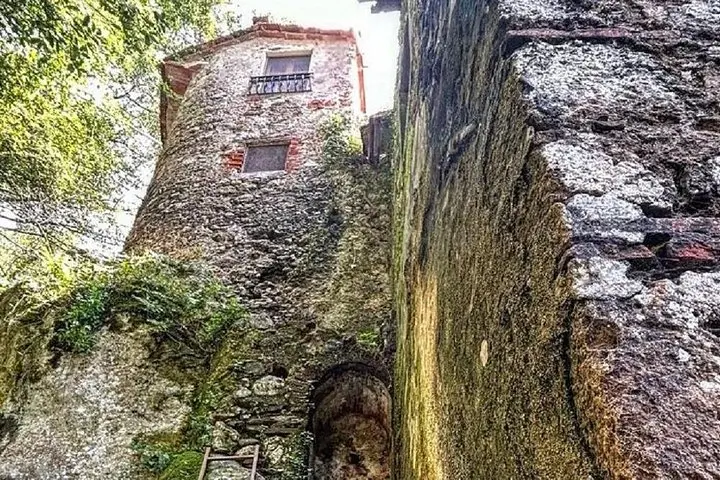
A damp, mossy trail opens into a narrow gorge where the Candalla stream dares you forward—water chisels the stone, and the waterfall announces the route with a steady roar. You begin at roughly 400 meters above sea level and follow an old path that climbs through mixed chestnut and oak woodland, the air carrying the mineral tang of limestone and the smell of wet leaves.
A damp, mossy trail opens into a narrow gorge where the Candalla stream dares you forward—water chisels the stone, and the waterfall announces the route with a steady roar. You begin at roughly 400 meters above sea level and follow an old path that climbs through mixed chestnut and oak woodland, the air carrying the mineral tang of limestone and the smell of wet leaves.
This route threads 19th-century industrial ruins—former water-powered mills and small factories that once turned the stream’s energy into paper and cloth—into a landscape shaped by the Apennine foothills. The mule track called Via di Lombardia still shows the wheel- and boot-polish of centuries, and the climb finishes in Casoli, a pocket village where bold wall graffiti chronicles local stories and traditions.
The hike is about 8 km with roughly 400 m of elevation change; expect uneven, stony surfaces and short-steep sections. Travel in late spring or early autumn for cooler temperatures and full streams; summer afternoons can be hot and low-water, winter often brings muddy trail conditions.
Practical guide: arrive in hiking boots, carry at least 1–1.5 L of water, and bring a layered rain shell. The route is led by a professional environmental guide and takes about four hours round-trip. Not suitable for those with serious back, heart, or respiratory issues; service animals are allowed. Stay on the trail to protect fragile archaeological remains and leave no trace—these woods are recovering old industry back into habitat, and each visit can either help or harm that process.