THE ADVENTURE COLLECTIVE® · Independent discovery and booking for outdoor travel

Slide into Madeira’s clear Atlantic at Caniçal and float over rusted hulls, volcanic caves and shoals of reef fish. This two-hour guided snorkel pairs expert local guides with accessible shore entries and a real chance to see seals or dolphins.
Slide into Madeira’s clear Atlantic at Caniçal and float over rusted hulls, volcanic caves and shoals of reef fish. This two-hour guided snorkel pairs expert local guides with accessible shore entries and a real chance to see seals or dolphins.
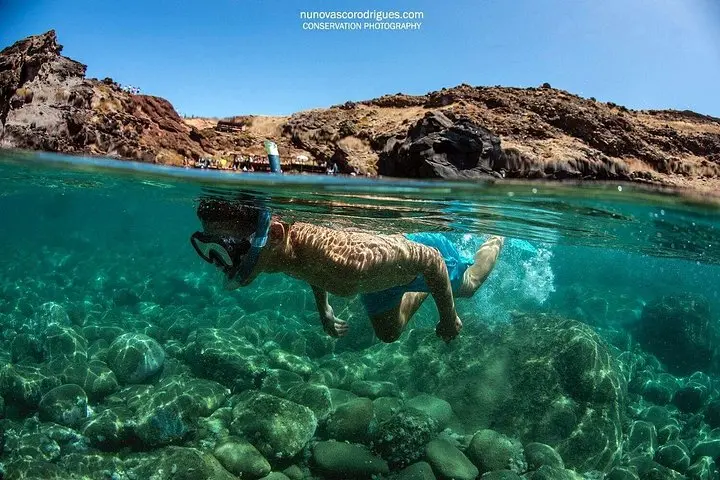
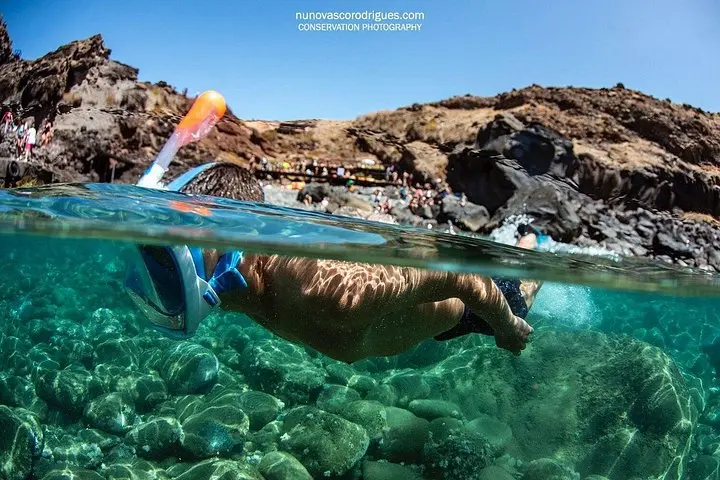
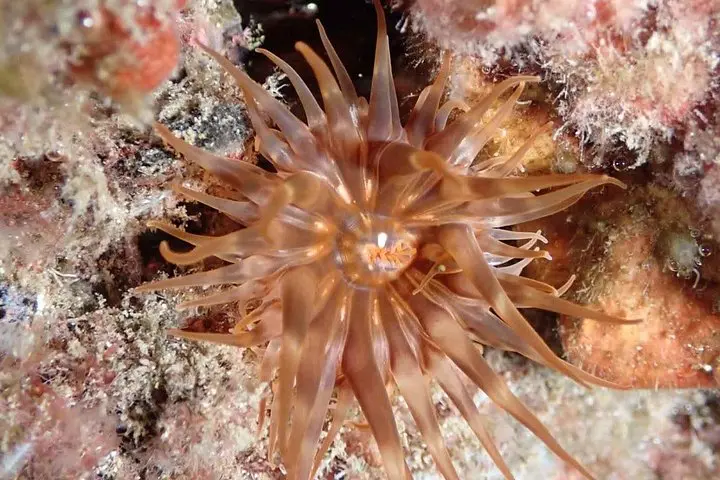
The boat slips away from the small pier at Caniçal and the Atlantic immediately takes command—the water glass-smooth one moment, then pulsing with cold clarity beneath your mask. Guides count heads and knot fins; the island peels away into steep black cliffs, and the first reef-torn rock shows a tangle of soft corals and darting fish. Within minutes you’re face-to-face with a rusted hull half-buried in sand, its shadowed chambers humming with life.
Verified experiences and guided adventures in the surrounding area.
Operated by Scorpio Madeira Wild Life · Caniçal, Madeira
The boat slips away from the small pier at Caniçal and the Atlantic immediately takes command—the water glass-smooth one moment, then pulsing with cold clarity beneath your mask. Guides count heads and knot fins; the island peels away into steep black cliffs, and the first reef-torn rock shows a tangle of soft corals and darting fish. Within minutes you’re face-to-face with a rusted hull half-buried in sand, its shadowed chambers humming with life.
Madeira’s eastern coast is volcanic bedrock carved by surge and long Atlantic swells. The shipwrecks here aren’t showpieces so much as ocean-stage props: platforms for lionfish, grouper and the odd shy octopus. Caniçal itself grew from a fishing and whaling past into a working port—those same currents that once fed and sheltered sailors now concentrate the nutrients that feed this nearshore reef. Guides on these tours combine local knowledge with certified safety training, pointing out caves, seamarks and the occasional marine mammal the islanders sometimes call the “sea wolf” (a local term applied to monk seals and other large coastal animals when sighted).
The geology is immediate—the black volcanic rock folds into cliffs and caves that funnel light into pockets of vivid green algae and jewel-like fish. Visibility often ranges from 8–20 meters depending on swell and season; expect cooler water that rewards a neoprene layer. This is a two-hour, shore-access plus short-boat tour designed for all levels: beginners, confident swimmers and repeat snorkelers all find something to study and photograph.
Practical nuts and bolts: meet at the Caniçal launch point about 10–15 minutes from the Madeira Airport and roughly 30–40 minutes east of Funchal by car. Tours provide masks, fins, snorkels and flotation vests; bring a wetsuit if you run cold (18–22°C is common in summer, cooler in spring and autumn). Wear reef-safe sunscreen, tie back long hair, and stow cameras in a secure waterproof housing or dry bag on the boat.
Safety is straightforward: follow your guide’s brief on entry and exit points, avoid touching wreck metal or reef life, and be cautious around cave mouths where surge can push you unexpectedly. If you hope to spot larger animals, ask your guide about recent sightings—dolphins and occasional seals are possible but never guaranteed.
For photographers, prioritize mid-morning light and shallow angles for color; if you’re shore-based, the cliffs at Caniçal offer dramatic above-water framing. Above all, this is an intimate Atlantic encounter—part history, part geology, and entirely marine. Come prepared, respectful, and curious.
No—this tour is designed for beginners and experienced snorkelers; guides provide flotation aids and instruction during the safety briefing.
Summer surface temps often hover around 18–22°C; many guests prefer a 3mm suit for comfort, especially in spring or autumn when it’s cooler.
Wildlife sightings happen but are not guaranteed; guides will share recent sighting info and position the boat where chances are higher.
Meet at the Caniçal launch area; it’s a short drive from the airport and roughly 30–40 minutes from Funchal—most visitors arrive by rental car or taxi.
The operator lists the meeting area as wheelchair-accessible, but boardings involve steps; contact the provider ahead to arrange assistance.
Tours may be cancelled for safety in rough conditions; you’ll be offered a full refund if cancelled at least 24 hours prior or by the operator for weather.
Scorpio Madeira Wild Life operates guided outdoor trips and adventures with an emphasis on safety, stewardship, and memorable experiences.
The boat slips away from the small pier at Caniçal and the Atlantic immediately takes command—the water glass-smooth one moment, then pulsing with cold clarity beneath your mask. Guides count heads and knot fins; the island peels away into steep black cliffs, and the first reef-torn rock shows a tangle of soft corals and darting fish. Within minutes you’re face-to-face with a rusted hull half-buried in sand, its shadowed chambers humming with life.
The boat slips away from the small pier at Caniçal and the Atlantic immediately takes command—the water glass-smooth one moment, then pulsing with cold clarity beneath your mask. Guides count heads and knot fins; the island peels away into steep black cliffs, and the first reef-torn rock shows a tangle of soft corals and darting fish. Within minutes you’re face-to-face with a rusted hull half-buried in sand, its shadowed chambers humming with life.
Madeira’s eastern coast is volcanic bedrock carved by surge and long Atlantic swells. The shipwrecks here aren’t showpieces so much as ocean-stage props: platforms for lionfish, grouper and the odd shy octopus. Caniçal itself grew from a fishing and whaling past into a working port—those same currents that once fed and sheltered sailors now concentrate the nutrients that feed this nearshore reef. Guides on these tours combine local knowledge with certified safety training, pointing out caves, seamarks and the occasional marine mammal the islanders sometimes call the “sea wolf” (a local term applied to monk seals and other large coastal animals when sighted).
The geology is immediate—the black volcanic rock folds into cliffs and caves that funnel light into pockets of vivid green algae and jewel-like fish. Visibility often ranges from 8–20 meters depending on swell and season; expect cooler water that rewards a neoprene layer. This is a two-hour, shore-access plus short-boat tour designed for all levels: beginners, confident swimmers and repeat snorkelers all find something to study and photograph.
Practical nuts and bolts: meet at the Caniçal launch point about 10–15 minutes from the Madeira Airport and roughly 30–40 minutes east of Funchal by car. Tours provide masks, fins, snorkels and flotation vests; bring a wetsuit if you run cold (18–22°C is common in summer, cooler in spring and autumn). Wear reef-safe sunscreen, tie back long hair, and stow cameras in a secure waterproof housing or dry bag on the boat.
Safety is straightforward: follow your guide’s brief on entry and exit points, avoid touching wreck metal or reef life, and be cautious around cave mouths where surge can push you unexpectedly. If you hope to spot larger animals, ask your guide about recent sightings—dolphins and occasional seals are possible but never guaranteed.
For photographers, prioritize mid-morning light and shallow angles for color; if you’re shore-based, the cliffs at Caniçal offer dramatic above-water framing. Above all, this is an intimate Atlantic encounter—part history, part geology, and entirely marine. Come prepared, respectful, and curious.