THE ADVENTURE COLLECTIVE® · Independent discovery and booking for outdoor travel

Spend three hours exploring Canmore’s lesser-known trails with a local guide. This easy-to-moderate hike covers small waterfalls, mountain lakes, and valley viewpoints with about 150 m elevation gain.
Spend three hours exploring Canmore’s lesser-known trails with a local guide. This easy-to-moderate hike covers small waterfalls, mountain lakes, and valley viewpoints with about 150 m elevation gain.
A crisp morning in Canmore sends light down the Bow Valley, and the trail ahead threads between lodgepole pines and weathered limestone. The guide moves deliberately, pointing out a cleft where a seasonal stream dares you to follow it uphill — within three hours you'll hit viewpoints, a hidden waterfall and a small mountain lake.
Verified experiences and guided adventures in the surrounding area.
Operated by Banff & Canmore Tours · Canmore, Alberta
A crisp morning in Canmore sends light down the Bow Valley, and the trail ahead threads between lodgepole pines and weathered limestone. The guide moves deliberately, pointing out a cleft where a seasonal stream dares you to follow it uphill — within three hours you'll hit viewpoints, a hidden waterfall and a small mountain lake.
This route winds through terrain shaped by Pleistocene glaciers and cut into Mississippian limestone; talus slopes and cliff bands tell a geologic story of uplift and erosion. Human history here runs from Stoney Nakoda seasonal use to the 19th–20th century coal and railway era that made Canmore a service town for resource extraction and now, outdoor recreation.
Expect culture on the trail: local guidebooks, mountaineering heritage, and a town that values low-impact travel. The guide carries bear spray and knows where to read recent wildlife signs, translating the forest’s language into practical warnings and interpretive notes.
Practical guidance: the route is easy-to-moderate with about 150 m (500 ft) elevation gain over roughly 6–8 km depending on route choices, and the company limits groups to around a dozen. Footing varies from groomed town paths to rocky singletrack; good ankle support helps. Hydrate before you start, pack layers for quick Alpine shifts, and plan for 3 hours including stops.
Leave no trace, listen to your guide, and expect the valley to offer sudden panoramas — rivers that push you forward, cliffs that quietly hold their age, and small falls that reward the detour.
The tour runs three hours with an easy-to-moderate grade and about 150 m (500 ft) of elevation gain; it's suitable for most people with moderate fitness.
Yes — guides carry bear spray, monitor wildlife signs, and set group protocols; follow their instructions for safety.
The route is family-friendly for children used to hikes and for active older adults, but not recommended for those with serious mobility or cardiovascular issues.
The operator cancels in unsafe weather; for a full refund cancel at least 24 hours before departure per their standard policy.
Banff & Canmore Tours operates guided outdoor trips and adventures with an emphasis on safety, stewardship, and memorable experiences.
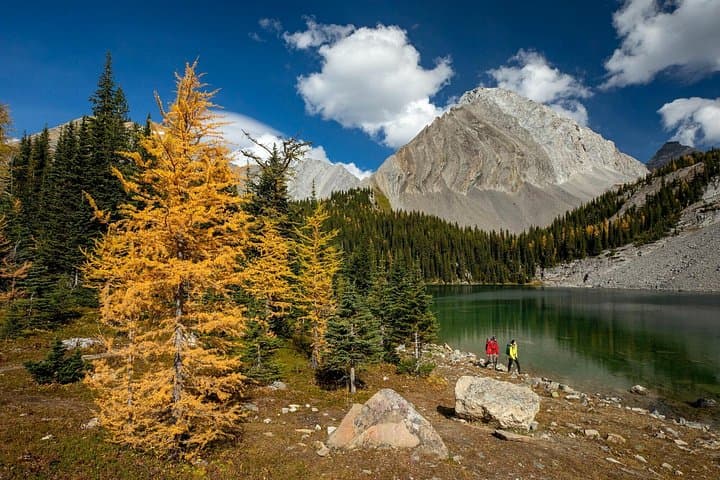
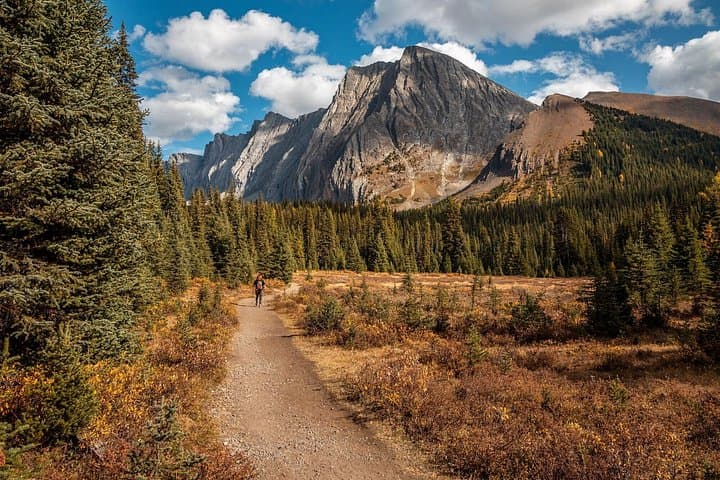


A crisp morning in Canmore sends light down the Bow Valley, and the trail ahead threads between lodgepole pines and weathered limestone. The guide moves deliberately, pointing out a cleft where a seasonal stream dares you to follow it uphill — within three hours you'll hit viewpoints, a hidden waterfall and a small mountain lake.
A crisp morning in Canmore sends light down the Bow Valley, and the trail ahead threads between lodgepole pines and weathered limestone. The guide moves deliberately, pointing out a cleft where a seasonal stream dares you to follow it uphill — within three hours you'll hit viewpoints, a hidden waterfall and a small mountain lake.
This route winds through terrain shaped by Pleistocene glaciers and cut into Mississippian limestone; talus slopes and cliff bands tell a geologic story of uplift and erosion. Human history here runs from Stoney Nakoda seasonal use to the 19th–20th century coal and railway era that made Canmore a service town for resource extraction and now, outdoor recreation.
Expect culture on the trail: local guidebooks, mountaineering heritage, and a town that values low-impact travel. The guide carries bear spray and knows where to read recent wildlife signs, translating the forest’s language into practical warnings and interpretive notes.
Practical guidance: the route is easy-to-moderate with about 150 m (500 ft) elevation gain over roughly 6–8 km depending on route choices, and the company limits groups to around a dozen. Footing varies from groomed town paths to rocky singletrack; good ankle support helps. Hydrate before you start, pack layers for quick Alpine shifts, and plan for 3 hours including stops.
Leave no trace, listen to your guide, and expect the valley to offer sudden panoramas — rivers that push you forward, cliffs that quietly hold their age, and small falls that reward the detour.