THE ADVENTURE COLLECTIVE® · Independent discovery and booking for outdoor travel

Glide through three mangrove tunnels in a traditional canoe before arriving at Fisherman's Island for music, coconuts and Caribbean stories. This 2–3 hour tour blends quiet wildlife viewing with local culture just outside Cartagena.
Glide through three mangrove tunnels in a traditional canoe before arriving at Fisherman's Island for music, coconuts and Caribbean stories. This 2–3 hour tour blends quiet wildlife viewing with local culture just outside Cartagena.
The canoe slips forward beneath a lunette of mangrove roots, the paddle whispering as you move through a narrow tunnel of shadow and salt-scented air. Birdsong punctuates the quiet; colored crabs flick sideways on exposed roots while the guide points out the pale prop roots of red mangrove gripping the mud.
Verified experiences and guided adventures in the surrounding area.
Operated by AV COL · Cartagena, Bolívar
The canoe slips forward beneath a lunette of mangrove roots, the paddle whispering as you move through a narrow tunnel of shadow and salt-scented air. Birdsong punctuates the quiet; colored crabs flick sideways on exposed roots while the guide points out the pale prop roots of red mangrove gripping the mud.
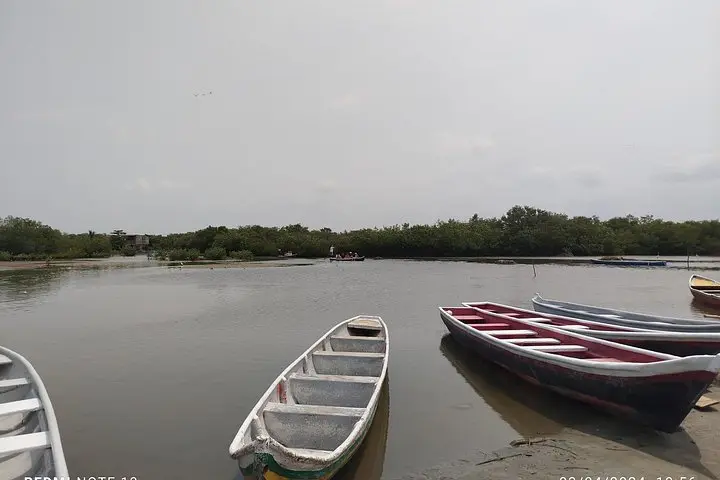
This short, 2–3 hour excursion navigates three natural mangrove tunnels in the Ciénaga (Virgin Lagoon) outside Cartagena before opening onto Fisherman's Island — a small community where cold coconuts, percussion, and local stories await. The mangroves here are part of a coastal wetland system shaped by tidal exchange, sedimentation and the resilient root systems of Rhizophora and Avicennia species. Fishermen and their families have worked these waters for generations; music and dance on the island are living links to Afro-Caribbean culture and coastal livelihoods.
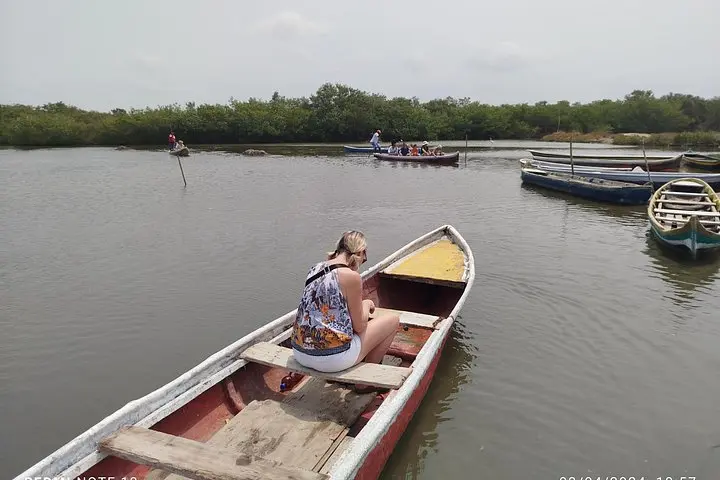
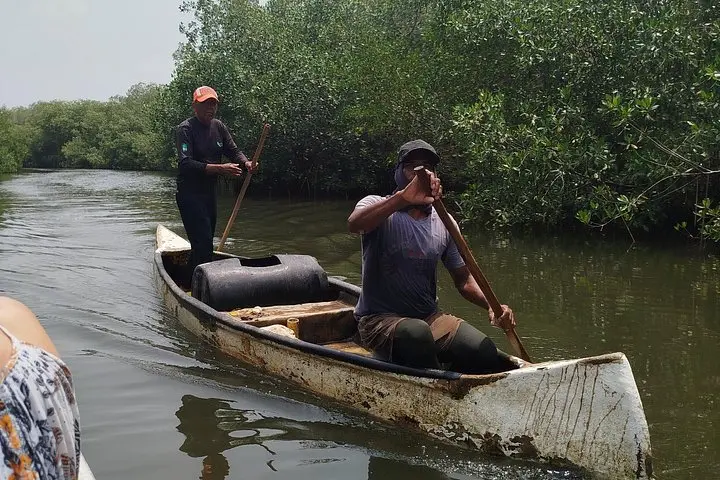
Expect a steady, low-impact paddle in a traditional raft-style canoe guided by a native English-speaking guide. Wildlife sightings often include herons, kingfishers, fiddler crabs and occasional waders; bring a camera with a zoom. Because tunnels can be narrow and muddy, balance and careful footwork matter when boarding and disembarking. The trip is ideal in the morning or late afternoon to avoid midday heat and to catch more active birdlife.
Practical tips: wear quick-dry clothing and water shoes, pack reef-safe sunscreen and a refillable water bottle, and follow your guide’s instructions to minimize disturbance to the mangrove roots and nesting birds.
The guided mangrove navigation lasts about 60–90 minutes across three tunnels; total tour time is approximately 2–3 hours including the island stop.
Yes—infants must sit on an adult’s lap and infant seats are available; the activity is rated easy but requires careful supervision when boarding.
Basic facilities are usually available on the island, but plan for limited amenities—bring hand sanitizer and any personal essentials.
Yes—guides commonly point out birds, crabs, and small reptiles, though sightings depend on time of day and tide conditions.
AV COL operates guided outdoor trips and adventures with an emphasis on safety, stewardship, and memorable experiences.
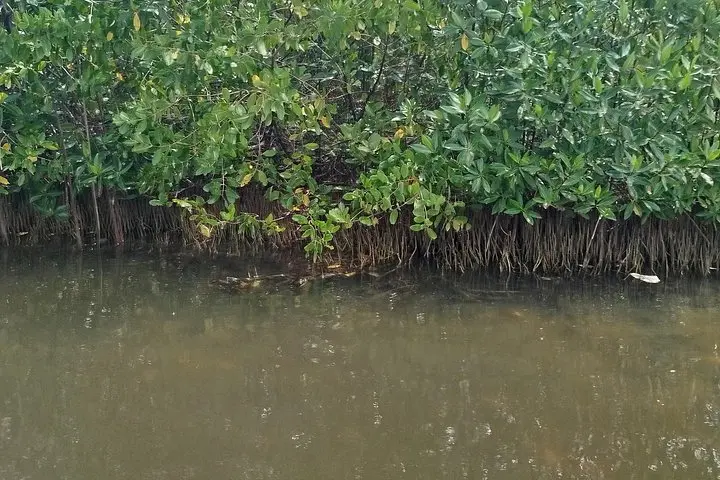
The canoe slips forward beneath a lunette of mangrove roots, the paddle whispering as you move through a narrow tunnel of shadow and salt-scented air. Birdsong punctuates the quiet; colored crabs flick sideways on exposed roots while the guide points out the pale prop roots of red mangrove gripping the mud.
The canoe slips forward beneath a lunette of mangrove roots, the paddle whispering as you move through a narrow tunnel of shadow and salt-scented air. Birdsong punctuates the quiet; colored crabs flick sideways on exposed roots while the guide points out the pale prop roots of red mangrove gripping the mud.
This short, 2–3 hour excursion navigates three natural mangrove tunnels in the Ciénaga (Virgin Lagoon) outside Cartagena before opening onto Fisherman's Island — a small community where cold coconuts, percussion, and local stories await. The mangroves here are part of a coastal wetland system shaped by tidal exchange, sedimentation and the resilient root systems of Rhizophora and Avicennia species. Fishermen and their families have worked these waters for generations; music and dance on the island are living links to Afro-Caribbean culture and coastal livelihoods.
Expect a steady, low-impact paddle in a traditional raft-style canoe guided by a native English-speaking guide. Wildlife sightings often include herons, kingfishers, fiddler crabs and occasional waders; bring a camera with a zoom. Because tunnels can be narrow and muddy, balance and careful footwork matter when boarding and disembarking. The trip is ideal in the morning or late afternoon to avoid midday heat and to catch more active birdlife.
Practical tips: wear quick-dry clothing and water shoes, pack reef-safe sunscreen and a refillable water bottle, and follow your guide’s instructions to minimize disturbance to the mangrove roots and nesting birds.