THE ADVENTURE COLLECTIVE® · Independent discovery and booking for outdoor travel

Join an Oxford PhD guide for a full-day exploration of Canterbury Cathedral, the site of Thomas Becket’s murder, and the Tudor charm of Hever Castle. Expect deep historical context, clear architectural explanation, and a comfortable train transfer from London.
Join an Oxford PhD guide for a full-day exploration of Canterbury Cathedral, the site of Thomas Becket’s murder, and the Tudor charm of Hever Castle. Expect deep historical context, clear architectural explanation, and a comfortable train transfer from London.
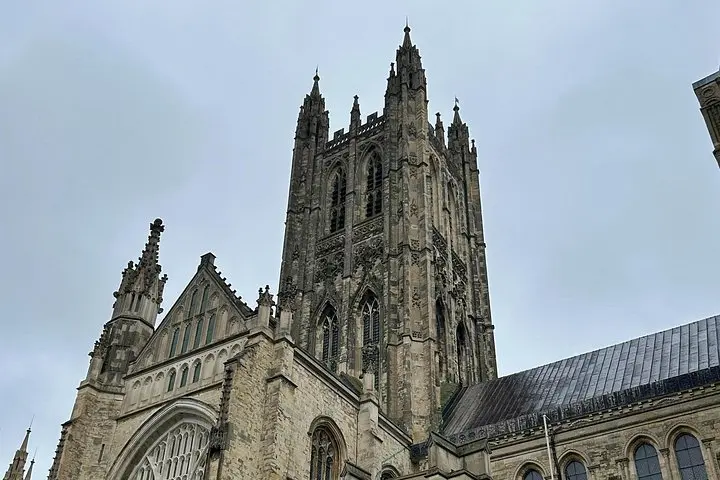
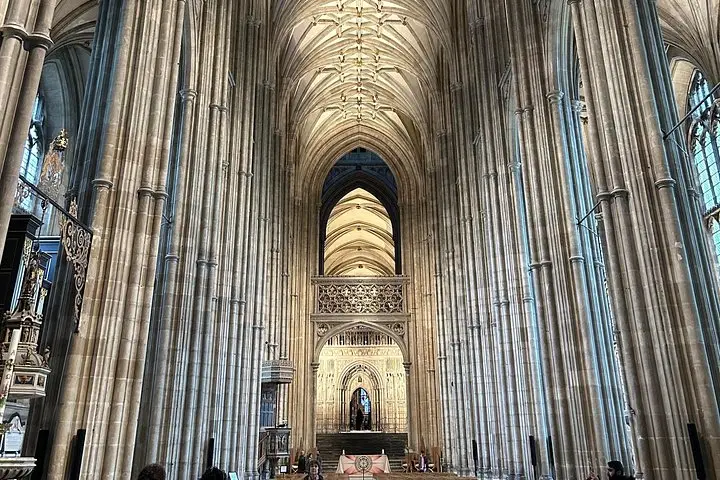
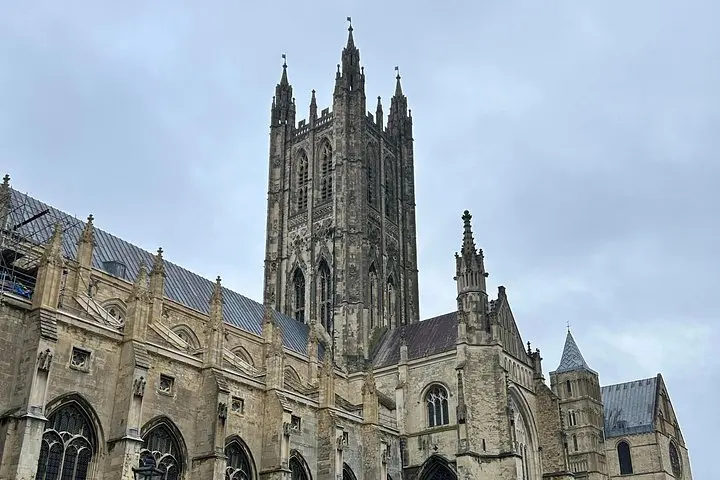
You step off the 90-minute train and the air changes: the River Stour slips past stone bridges, and the city’s medieval lanes funnel you toward a hulking silhouette of stone and stained glass. Canterbury Cathedral rises ahead — vaults and flying buttresses that pull your eye upward — while the hush inside makes recent centuries feel distant.
Verified experiences and guided adventures in the surrounding area.
Operated by Historic Tours of England · Canterbury, Kent
You step off the 90-minute train and the air changes: the River Stour slips past stone bridges, and the city’s medieval lanes funnel you toward a hulking silhouette of stone and stained glass. Canterbury Cathedral rises ahead — vaults and flying buttresses that pull your eye upward — while the hush inside makes recent centuries feel distant.
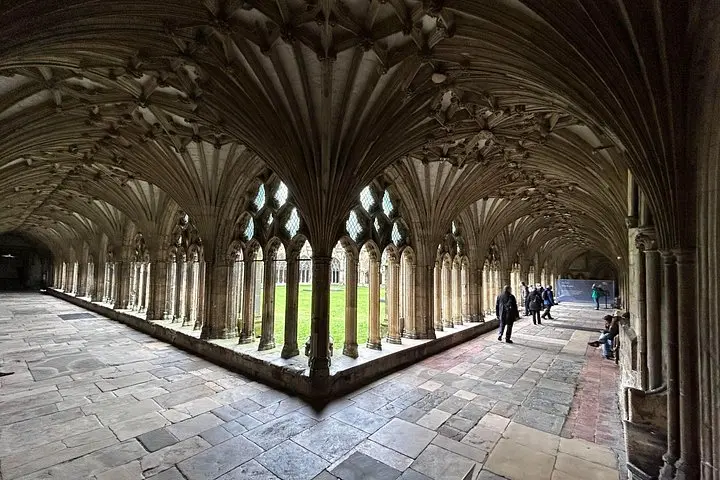
Built and rebuilt over a thousand years, the cathedral is both architectural classroom and political stage. Dr. Geoff, an Oxford PhD in medieval architecture, traces construction phases in the masonry: Norman massiveness, later Gothic lightness, and Victorian repair. He’ll point out where Archbishop Thomas Becket was murdered in 1170, then show where pilgrims once left prayers at Becket’s shrine. Beyond the nave, the surrounding city reveals layers: Roman walls, medieval merchants’ lanes, and Hever Castle — the intimate Tudor home of Anne Boleyn — waiting later in the day.
Geology here is local Kentish sandstone and chalk underpinnings that shaped building choices and drainage; culture is stitched with pilgrimage, royal drama, and cathedral music still alive today. Practicalities matter: the day runs about ten hours and starts from London Victoria; bring weatherproof layers, a small daypack, and closed-toe shoes for stone floors and uneven streets. Trains are faster than driving and the walk from Canterbury Station to the cathedral is an easy eight minutes. Expect a mix of indoor standing and gentle outdoor walking, time for a pub lunch, and a coach link to Hever afterward. With context, clarity, and a guide who reads stone like text, the trip turns architectural detail into a living story.
Yes—admission fees are listed as included in the tour details, so you won’t need to buy separate entry tickets on the day.
The tour uses a return rail transfer from London Victoria—about a 90-minute journey each way—which avoids road traffic and gives scenic views of the Kent countryside.
The tour is described as suitable for all physical fitness levels, but the cathedral has uneven floors and some standing; contact the operator ahead for specific mobility accommodations.
For a full refund you must cancel at least 24 hours before departure; cancellations within 24 hours are not refundable and the tour may be canceled if minimum traveler numbers aren’t met.
Historic Tours of England operates guided outdoor trips and adventures with an emphasis on safety, stewardship, and memorable experiences.
You step off the 90-minute train and the air changes: the River Stour slips past stone bridges, and the city’s medieval lanes funnel you toward a hulking silhouette of stone and stained glass. Canterbury Cathedral rises ahead — vaults and flying buttresses that pull your eye upward — while the hush inside makes recent centuries feel distant.
You step off the 90-minute train and the air changes: the River Stour slips past stone bridges, and the city’s medieval lanes funnel you toward a hulking silhouette of stone and stained glass. Canterbury Cathedral rises ahead — vaults and flying buttresses that pull your eye upward — while the hush inside makes recent centuries feel distant.
Built and rebuilt over a thousand years, the cathedral is both architectural classroom and political stage. Dr. Geoff, an Oxford PhD in medieval architecture, traces construction phases in the masonry: Norman massiveness, later Gothic lightness, and Victorian repair. He’ll point out where Archbishop Thomas Becket was murdered in 1170, then show where pilgrims once left prayers at Becket’s shrine. Beyond the nave, the surrounding city reveals layers: Roman walls, medieval merchants’ lanes, and Hever Castle — the intimate Tudor home of Anne Boleyn — waiting later in the day.
Geology here is local Kentish sandstone and chalk underpinnings that shaped building choices and drainage; culture is stitched with pilgrimage, royal drama, and cathedral music still alive today. Practicalities matter: the day runs about ten hours and starts from London Victoria; bring weatherproof layers, a small daypack, and closed-toe shoes for stone floors and uneven streets. Trains are faster than driving and the walk from Canterbury Station to the cathedral is an easy eight minutes. Expect a mix of indoor standing and gentle outdoor walking, time for a pub lunch, and a coach link to Hever afterward. With context, clarity, and a guide who reads stone like text, the trip turns architectural detail into a living story.