THE ADVENTURE COLLECTIVE® · Independent discovery and booking for outdoor travel

Explore the rust-red corridors of the Cañón de los Perdidos, then finish with a tasting at an artisanal Ica winery. This full-day tour blends desert geology, marine fossils and regional pisco in an accessible trip from Ica.
Explore the rust-red corridors of the Cañón de los Perdidos, then finish with a tasting at an artisanal Ica winery. This full-day tour blends desert geology, marine fossils and regional pisco in an accessible trip from Ica.
Dust lifts in ribbons as the van eases off the main road and the desert opens into a maze of rust-red cliffs. The Cañón de los Perdidos (Canyon of the Lost) stretches like a series of carved corridors, its layered sandstone cliffs daring you to explore narrow alcoves and lookout ledges. Wind and ancient seas have etched arches, caves and marine fossils into the rock; the canyon feels both raw and quietly animated.
Verified experiences and guided adventures in the surrounding area.
Operated by iPeruano · Ica, Ica
Dust lifts in ribbons as the van eases off the main road and the desert opens into a maze of rust-red cliffs. The Cañón de los Perdidos (Canyon of the Lost) stretches like a series of carved corridors, its layered sandstone cliffs daring you to explore narrow alcoves and lookout ledges. Wind and ancient seas have etched arches, caves and marine fossils into the rock; the canyon feels both raw and quietly animated.
This day trip combines geology and local craft. The canyon sits on uplifted seabeds from the Miocene and Pliocene eras—marine fossils are common in exposed strata—while Ocucaje’s dry riverbeds (río seco) reveal sediments shaped by intermittent flows. Culturally, the Ica region mixes pre-Columbian adobe traditions with modern viticulture; pisco and fortified wines are rooted in Spanish colonial agriculture and local grape varieties.
Expect several short, easy walks across uneven sandy and rocky terrain, panoramic viewpoints and guided explanations about fossils and rock formation. After the canyon, the tour moves to an artisanal winery for a tasting of pisco and regional wines—an opportunity to sample crema de pisco and learn production basics.
Practical advice: bring sun protection and at least 2 liters of water, wear sturdy walking shoes for loose sand and shale, and plan for an eight-hour outing with hotel pickup in Ica. Respect fossil sites—removing specimens is illegal and damages scientific value. The contrast between wind-sculpted badlands and the cool, fragrant winery creates a compact, revealing day in southern Peru’s coastal desert.
The tour runs about eight hours and includes hotel pickup in Ica; meeting at the Savilayo Hotel is an alternative for those without pickup.
Guides will point out marine fossils in the canyon, but removing fossils or rocks is prohibited—leave specimens in place for conservation and study.
Pisco and wine tastings are included; alcoholic beverages are served only to those 18 and older—underage visitors receive non-alcoholic options.
The canyon visit involves easy walks over uneven surfaces and is suitable for most ages; strollers are not practical—infants should sit on laps as required by the operator.
iPeruano operates guided outdoor trips and adventures with an emphasis on safety, stewardship, and memorable experiences.
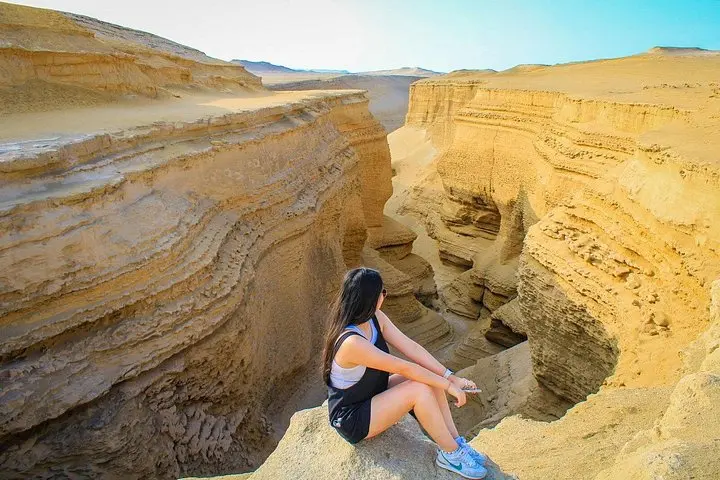
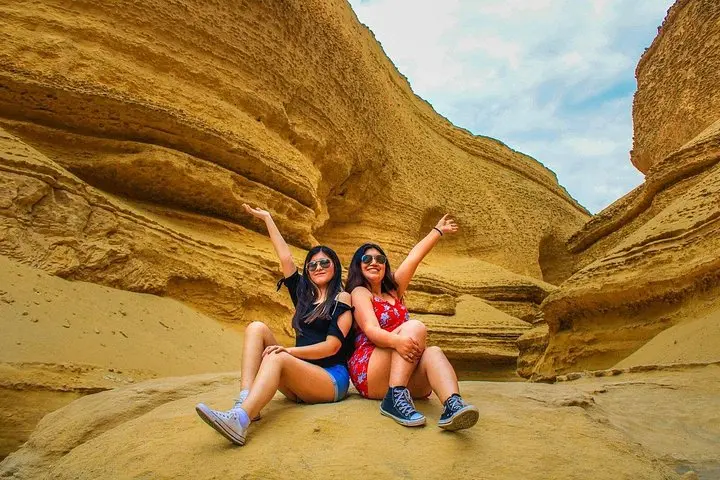
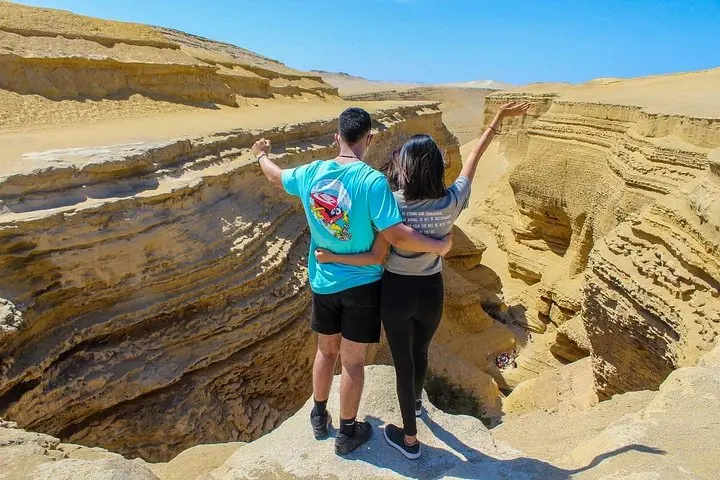
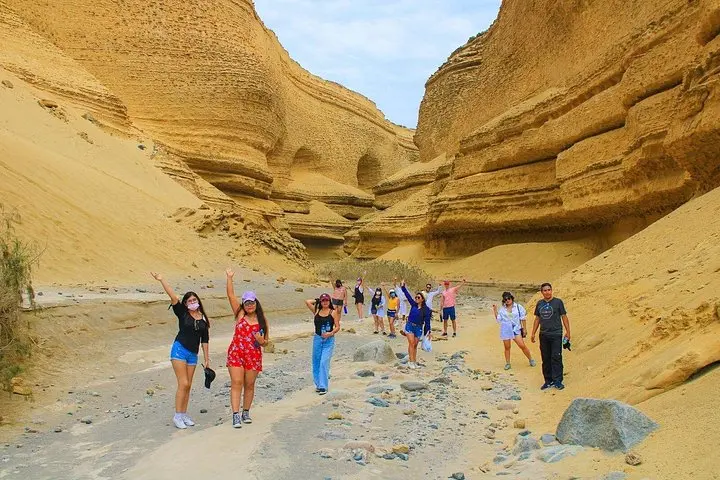
Dust lifts in ribbons as the van eases off the main road and the desert opens into a maze of rust-red cliffs. The Cañón de los Perdidos (Canyon of the Lost) stretches like a series of carved corridors, its layered sandstone cliffs daring you to explore narrow alcoves and lookout ledges. Wind and ancient seas have etched arches, caves and marine fossils into the rock; the canyon feels both raw and quietly animated.
Dust lifts in ribbons as the van eases off the main road and the desert opens into a maze of rust-red cliffs. The Cañón de los Perdidos (Canyon of the Lost) stretches like a series of carved corridors, its layered sandstone cliffs daring you to explore narrow alcoves and lookout ledges. Wind and ancient seas have etched arches, caves and marine fossils into the rock; the canyon feels both raw and quietly animated.
This day trip combines geology and local craft. The canyon sits on uplifted seabeds from the Miocene and Pliocene eras—marine fossils are common in exposed strata—while Ocucaje’s dry riverbeds (río seco) reveal sediments shaped by intermittent flows. Culturally, the Ica region mixes pre-Columbian adobe traditions with modern viticulture; pisco and fortified wines are rooted in Spanish colonial agriculture and local grape varieties.
Expect several short, easy walks across uneven sandy and rocky terrain, panoramic viewpoints and guided explanations about fossils and rock formation. After the canyon, the tour moves to an artisanal winery for a tasting of pisco and regional wines—an opportunity to sample crema de pisco and learn production basics.
Practical advice: bring sun protection and at least 2 liters of water, wear sturdy walking shoes for loose sand and shale, and plan for an eight-hour outing with hotel pickup in Ica. Respect fossil sites—removing specimens is illegal and damages scientific value. The contrast between wind-sculpted badlands and the cool, fragrant winery creates a compact, revealing day in southern Peru’s coastal desert.