THE ADVENTURE COLLECTIVE® · Independent discovery and booking for outdoor travel

Conquer four dramatic Sinai canyons in a single day—Salama’s banded walls, the pale White Canyon, the tight Closed passages, and Hamata’s fig tree—then recover with a Bedouin lunch at Khudra Spring. This guide explains what to expect, how to prepare, and where to point your camera.
Conquer four dramatic Sinai canyons in a single day—Salama’s banded walls, the pale White Canyon, the tight Closed passages, and Hamata’s fig tree—then recover with a Bedouin lunch at Khudra Spring. This guide explains what to expect, how to prepare, and where to point your camera.
You step out of the van and the desert rearranges itself around you: cliffs of banded sandstone rise like pages torn from a geologic diary, the canyon floor cool underfoot, and a single fig tree leans over a shallow pool as if offering shade by custom. The air smells faintly of salt from the Gulf and dust from millennia of wind; a guide checks ropes, a small group laughs, and the valley suddenly feels like a place made for testing ankles, curiosity, and a respect for quiet places.
Verified experiences and guided adventures in the surrounding area.
Operated by Cadence Seekers · Dahab, South Sinai
You step out of the van and the desert rearranges itself around you: cliffs of banded sandstone rise like pages torn from a geologic diary, the canyon floor cool underfoot, and a single fig tree leans over a shallow pool as if offering shade by custom. The air smells faintly of salt from the Gulf and dust from millennia of wind; a guide checks ropes, a small group laughs, and the valley suddenly feels like a place made for testing ankles, curiosity, and a respect for quiet places.
This full-day canyoning loop—running from Dahab into the Nuweiba canyons—threads four distinct slot and room-and-pillar canyons: Salama (the Colored canyon), White, Closed, and Hamata, finishing at Khudra Spring Oasis for lunch and a dip. The colored bands in Salama are ancient sea sediments, lifted and scored by tectonic pressure and wind. White Canyon’s pale walls reflect the midday glare and cradle a small, persistent spring that local Bedouin have long used as a rest stop. Mushroom Rock, a nearby wind-sculpted mushroom-shaped outcrop, provides an elegant punctuation to the day.
Beyond geology, the route carries Bedouin stories: the single fig in Hamata is a local landmark, feeding goats and marking a seasonal water table. Guides—often Bedouin or long-time Sinai experts—serve as both safety officers and storytellers, translating oral histories and pointing out nesting raptors on ledges.
What the brochure doesn’t sell is the work: expect narrow squeezes, short scrambles, and rocky talus. Two of the four canyons demand a solid level of fitness and agility; guides tailor the pace and lines to the group, and they carry permits and equipment. Lunch at Khudra is a practical pleasure—tea, fresh flatbread, and a simple Bedouin spread beside clear spring water that’s earned every savor.
Practical edge: the day runs 8–12 hours with early departure from Asala in Dahab (sharp 7:30 AM in most itineraries). Bring footwear with good grip that drains quickly, a small daypack with sun protection and hydration, and a sense of patience—narrow passages slow groups, but also make for better photos and quieter wildlife moments. The region is fragile: avoid altering cairns, minimize sunscreen in spring pools, and pack out what you pack in. For most travelers this trip is a rewarding mix of technical terrain and easy oasis time—ambitious, scenic, and thoroughly Sinai.
If you want to concentrate on photos, plan for morning light in the colored canyon and softer late afternoon tones around Mushroom Rock. If you want to move fast, be honest with guides about fitness—two of the canyons will filter out those who aren’t ready. Yalla bena—this is demanding, human-scaled adventure that rewards attention more than bravado.
Moderate fitness is required—expect long periods of walking, scrambling, and some tight squeezes; two canyons will filter out those without necessary agility.
You may encounter shallow pools and an oasis dip at Khudra; full swimming is not required, but you should be comfortable moving through ankle- to waist-deep water.
Guides carry all required permits, offer experienced route-finding, and provide group safety briefings; personal protective gear should be brought as advised.
Yes—lunch is served at Khudra Oasis around midday and tea is included; other drinks may cost about $1 as noted by operators.
This tour is not suitable for infants or teenagers under 18; decision rests on mobility and maturity—check with the operator if in doubt.
Full refund if canceled at least 24 hours before departure; the operator may cancel for bad weather or insufficient travelers.
Cadence Seekers operates guided outdoor trips and adventures with an emphasis on safety, stewardship, and memorable experiences.
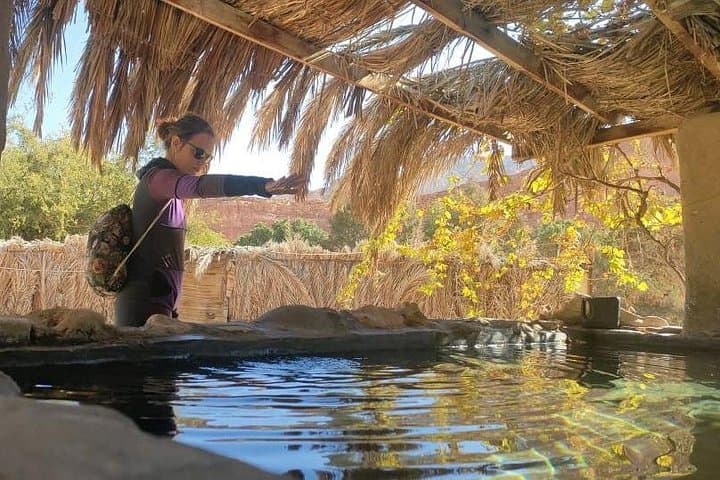
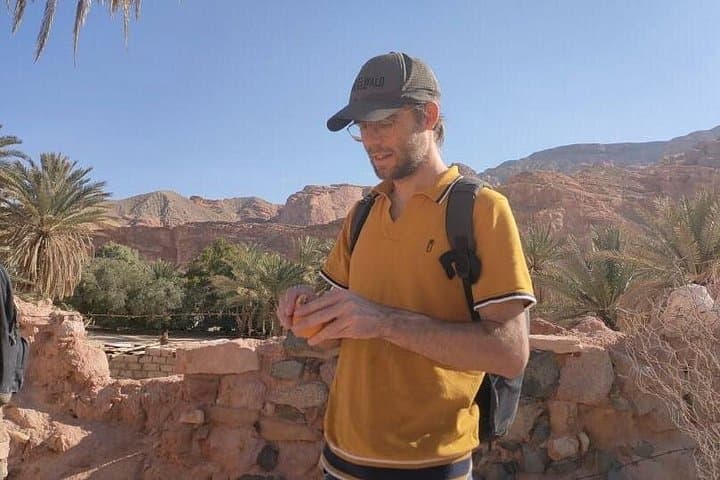
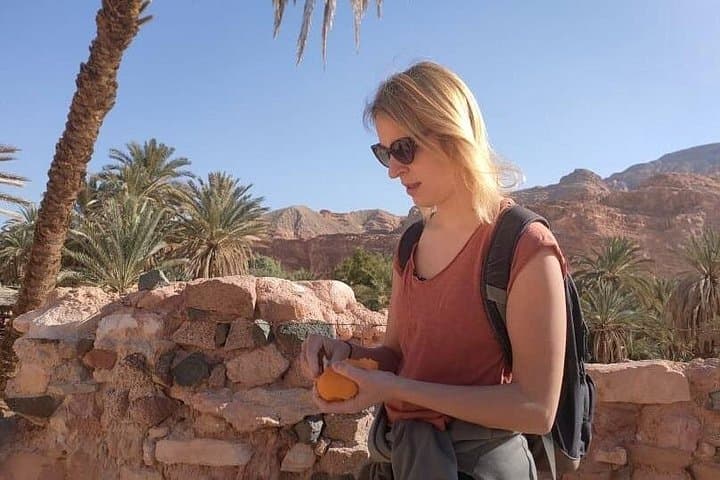
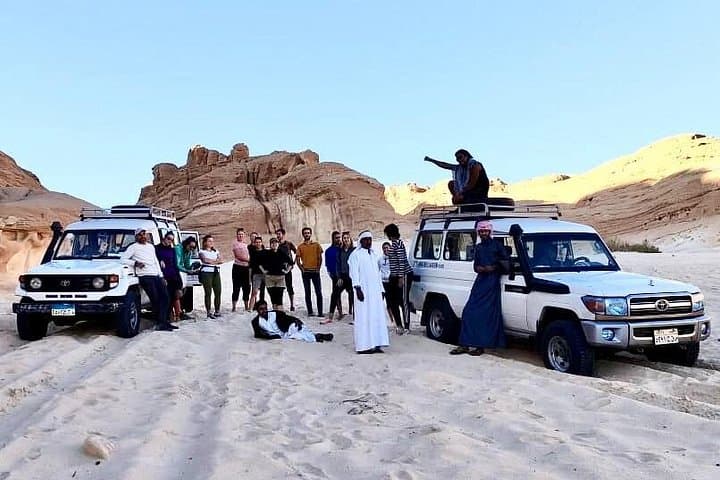
You step out of the van and the desert rearranges itself around you: cliffs of banded sandstone rise like pages torn from a geologic diary, the canyon floor cool underfoot, and a single fig tree leans over a shallow pool as if offering shade by custom. The air smells faintly of salt from the Gulf and dust from millennia of wind; a guide checks ropes, a small group laughs, and the valley suddenly feels like a place made for testing ankles, curiosity, and a respect for quiet places.
You step out of the van and the desert rearranges itself around you: cliffs of banded sandstone rise like pages torn from a geologic diary, the canyon floor cool underfoot, and a single fig tree leans over a shallow pool as if offering shade by custom. The air smells faintly of salt from the Gulf and dust from millennia of wind; a guide checks ropes, a small group laughs, and the valley suddenly feels like a place made for testing ankles, curiosity, and a respect for quiet places.
This full-day canyoning loop—running from Dahab into the Nuweiba canyons—threads four distinct slot and room-and-pillar canyons: Salama (the Colored canyon), White, Closed, and Hamata, finishing at Khudra Spring Oasis for lunch and a dip. The colored bands in Salama are ancient sea sediments, lifted and scored by tectonic pressure and wind. White Canyon’s pale walls reflect the midday glare and cradle a small, persistent spring that local Bedouin have long used as a rest stop. Mushroom Rock, a nearby wind-sculpted mushroom-shaped outcrop, provides an elegant punctuation to the day.
Beyond geology, the route carries Bedouin stories: the single fig in Hamata is a local landmark, feeding goats and marking a seasonal water table. Guides—often Bedouin or long-time Sinai experts—serve as both safety officers and storytellers, translating oral histories and pointing out nesting raptors on ledges.
What the brochure doesn’t sell is the work: expect narrow squeezes, short scrambles, and rocky talus. Two of the four canyons demand a solid level of fitness and agility; guides tailor the pace and lines to the group, and they carry permits and equipment. Lunch at Khudra is a practical pleasure—tea, fresh flatbread, and a simple Bedouin spread beside clear spring water that’s earned every savor.
Practical edge: the day runs 8–12 hours with early departure from Asala in Dahab (sharp 7:30 AM in most itineraries). Bring footwear with good grip that drains quickly, a small daypack with sun protection and hydration, and a sense of patience—narrow passages slow groups, but also make for better photos and quieter wildlife moments. The region is fragile: avoid altering cairns, minimize sunscreen in spring pools, and pack out what you pack in. For most travelers this trip is a rewarding mix of technical terrain and easy oasis time—ambitious, scenic, and thoroughly Sinai.
If you want to concentrate on photos, plan for morning light in the colored canyon and softer late afternoon tones around Mushroom Rock. If you want to move fast, be honest with guides about fitness—two of the canyons will filter out those who aren’t ready. Yalla bena—this is demanding, human-scaled adventure that rewards attention more than bravado.