THE ADVENTURE COLLECTIVE® · Independent discovery and booking for outdoor travel

Move from dusty roads to river-smoothed rock as the Zimatan River drives a small group through three hours of canyon scrambling, swims, and natural pools near Huatulco. This practical day trip blends moderate exercise, local insight, and a refreshing finish at La Bocana.
Move from dusty roads to river-smoothed rock as the Zimatan River drives a small group through three hours of canyon scrambling, swims, and natural pools near Huatulco. This practical day trip blends moderate exercise, local insight, and a refreshing finish at La Bocana.
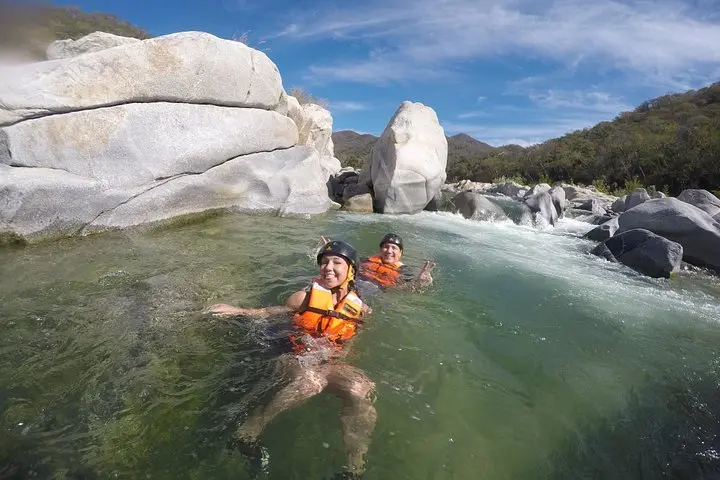
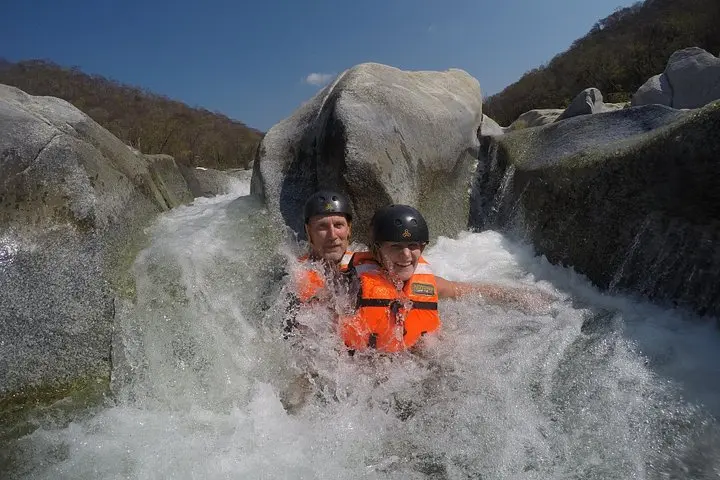
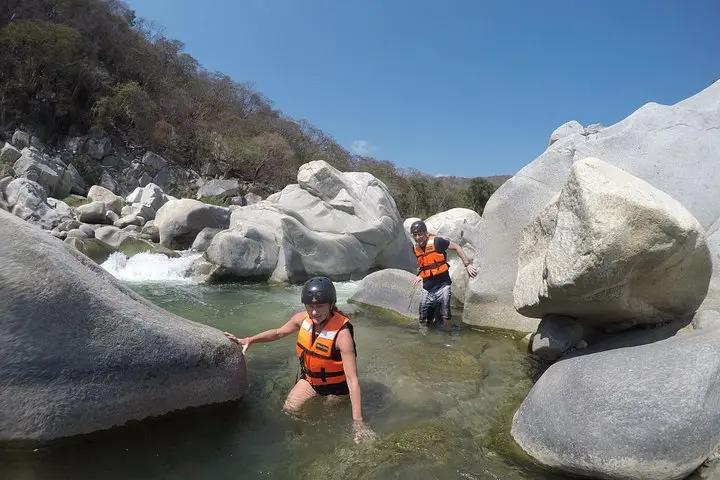
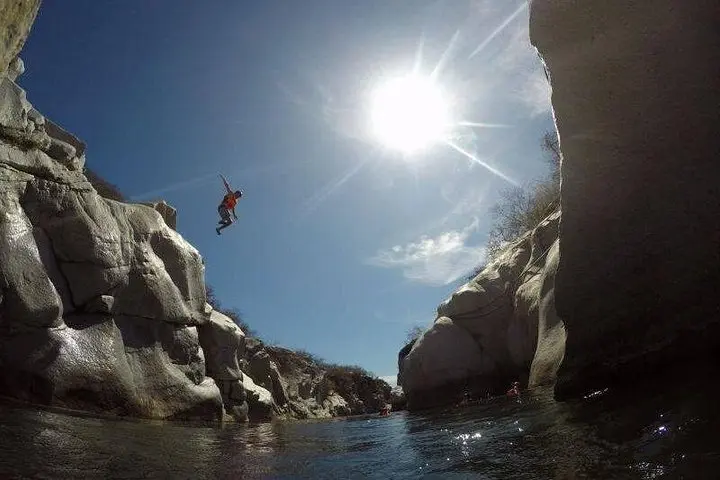
Morning light finds the river slick and bright, the canyon walls throwing cool shade over the first steps. Guides clip harnesses and check helmets, voices low but sure. You move from dust to water in minutes—stones underfoot give way to polished bedrock and pools that dare you to jump. For roughly three hours the Zimatan River pushes the group forward: short swims, riverbed scrambles, and the muscle-work of balancing on boulders polished by decades of flow. The rest of the six-hour day is travel, a simple lunch, and a stop at La Bocana beach on the return.
Verified experiences and guided adventures in the surrounding area.
Operated by Oaxaca Expediciones · Santa María Huatulco, Oaxaca
Morning light finds the river slick and bright, the canyon walls throwing cool shade over the first steps. Guides clip harnesses and check helmets, voices low but sure. You move from dust to water in minutes—stones underfoot give way to polished bedrock and pools that dare you to jump. For roughly three hours the Zimatan River pushes the group forward: short swims, riverbed scrambles, and the muscle-work of balancing on boulders polished by decades of flow. The rest of the six-hour day is travel, a simple lunch, and a stop at La Bocana beach on the return.
This stretch of Pacific coast is carved where the Sierra Madre del Sur meets the sea. Coastal canyons here are honest geology—steep cuts through volcanic and sedimentary layers exposed to tropical rains. The Zimatan corridor has been a small artery for local communities for generations; nearby fishing villages and farmland are part of a lived coastal culture shaped by the tides and seasonal rivers. Guides on these tours often bring local knowledge: which pools hold fish after the rains, where orchids cling to shadier ledges, and how rainfall has rewritten the river's route this year.
The canyon experience is practical adventure: about 3 hours of active river travel covering roughly 3–5 km of varied terrain, with short uphill scrambles (expect some sections of 20–80 m of elevation change) and repeated transitions between wading, hopping, and short swims. The operator runs small groups (max 8 in shared tours) with experienced guides—one has over 30 years of guiding across the Americas and beyond—so technical rope work is minimal and the emphasis is on movement, balance, and river sense rather than vertical climbing.
Timing matters. During the June–October rainy season the river surges and the canyon feels wilder; guides add safety measures and lifeguards for higher flows. In the dry months the pools are clearer and the scrambling more exposed. The company provides lunch, water, and a beer at day's end; pickup is typically at 9:00 a.m. from hotels around Bahías de Huatulco.
Preparation is straightforward: closed-toe water shoes with grip, reef-safe sunscreen, a waterproof camera or dry bag, and a reasonable level of fitness—participants should be comfortable walking uneven riverbeds and able to swim short distances. The route is not recommended for people with back, heart, or pregnancy-related restrictions.
Canyoning here is elemental—water that moves, rocks that insist on attention, and a coastline that opens up again when the canyon spits you out at the sea. It's an accessible, invigorating day for travelers who want a hands-on way to read Oaxaca's coastline beyond the sand.
About three hours in the river—total tour time is approximately six hours including transport and lunch.
No technical experience is needed; participants should have moderate fitness and be comfortable walking on uneven, wet terrain.
Policies vary—operators typically allow teens and older children who can swim and follow guide instructions; check age limits when booking.
From June–October flows rise; guides add safety measures and lifeguards may accompany groups. Stronger currents can change route difficulty.
Yes—guides for this trip have extensive international experience and carry safety equipment; ask the operator about first-aid and rescue certifications if you need specifics.
The tour includes lunch, water, and a beer at the end; basic safety equipment is provided but bring your own footwear and sun protection.
Oaxaca Expediciones operates guided outdoor trips and adventures with an emphasis on safety, stewardship, and memorable experiences.
Morning light finds the river slick and bright, the canyon walls throwing cool shade over the first steps. Guides clip harnesses and check helmets, voices low but sure. You move from dust to water in minutes—stones underfoot give way to polished bedrock and pools that dare you to jump. For roughly three hours the Zimatan River pushes the group forward: short swims, riverbed scrambles, and the muscle-work of balancing on boulders polished by decades of flow. The rest of the six-hour day is travel, a simple lunch, and a stop at La Bocana beach on the return.
Morning light finds the river slick and bright, the canyon walls throwing cool shade over the first steps. Guides clip harnesses and check helmets, voices low but sure. You move from dust to water in minutes—stones underfoot give way to polished bedrock and pools that dare you to jump. For roughly three hours the Zimatan River pushes the group forward: short swims, riverbed scrambles, and the muscle-work of balancing on boulders polished by decades of flow. The rest of the six-hour day is travel, a simple lunch, and a stop at La Bocana beach on the return.
This stretch of Pacific coast is carved where the Sierra Madre del Sur meets the sea. Coastal canyons here are honest geology—steep cuts through volcanic and sedimentary layers exposed to tropical rains. The Zimatan corridor has been a small artery for local communities for generations; nearby fishing villages and farmland are part of a lived coastal culture shaped by the tides and seasonal rivers. Guides on these tours often bring local knowledge: which pools hold fish after the rains, where orchids cling to shadier ledges, and how rainfall has rewritten the river's route this year.
The canyon experience is practical adventure: about 3 hours of active river travel covering roughly 3–5 km of varied terrain, with short uphill scrambles (expect some sections of 20–80 m of elevation change) and repeated transitions between wading, hopping, and short swims. The operator runs small groups (max 8 in shared tours) with experienced guides—one has over 30 years of guiding across the Americas and beyond—so technical rope work is minimal and the emphasis is on movement, balance, and river sense rather than vertical climbing.
Timing matters. During the June–October rainy season the river surges and the canyon feels wilder; guides add safety measures and lifeguards for higher flows. In the dry months the pools are clearer and the scrambling more exposed. The company provides lunch, water, and a beer at day's end; pickup is typically at 9:00 a.m. from hotels around Bahías de Huatulco.
Preparation is straightforward: closed-toe water shoes with grip, reef-safe sunscreen, a waterproof camera or dry bag, and a reasonable level of fitness—participants should be comfortable walking uneven riverbeds and able to swim short distances. The route is not recommended for people with back, heart, or pregnancy-related restrictions.
Canyoning here is elemental—water that moves, rocks that insist on attention, and a coastline that opens up again when the canyon spits you out at the sea. It's an accessible, invigorating day for travelers who want a hands-on way to read Oaxaca's coastline beyond the sand.