THE ADVENTURE COLLECTIVE® · Independent discovery and booking for outdoor travel

A fast, immersive two‑day loop from Hanoi to Cao Bang that pairs the raw spectacle of Ban Gioc Waterfall and Nguom Ngao Cave with visits to ethnic villages and scenic passes. Ideal for travelers who want big landscapes with cultural context on a short timeframe.
A fast, immersive two‑day loop from Hanoi to Cao Bang that pairs the raw spectacle of Ban Gioc Waterfall and Nguom Ngao Cave with visits to ethnic villages and scenic passes. Ideal for travelers who want big landscapes with cultural context on a short timeframe.
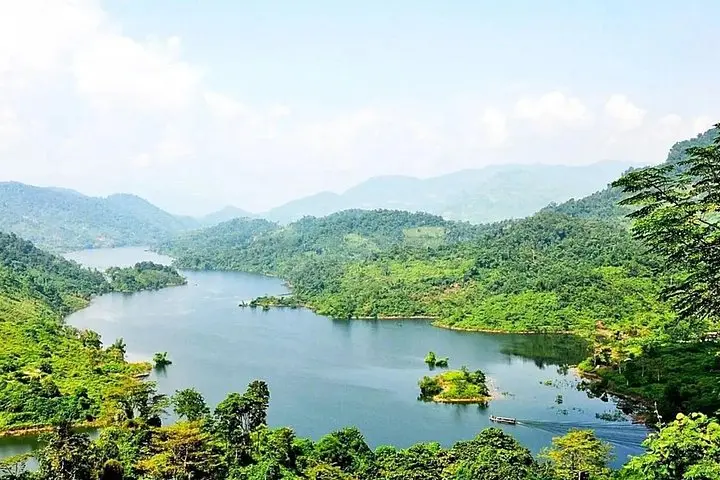
Dawn finds the sleeper bus sliding into Cao Bang like a slow breath: mist clings to ridgelines and limestone spines jut from green paddies. On this two‑day loop the landscape moves—rivers daring you toward waterfalls, passes that force a steady gaze, and villages where incense smoke threads between wooden homes.
Verified experiences and guided adventures in the surrounding area.
Operated by Authenitc Travel DA NANG · Cao Bang, Cao Bang Province
Dawn finds the sleeper bus sliding into Cao Bang like a slow breath: mist clings to ridgelines and limestone spines jut from green paddies. On this two‑day loop the landscape moves—rivers daring you toward waterfalls, passes that force a steady gaze, and villages where incense smoke threads between wooden homes.
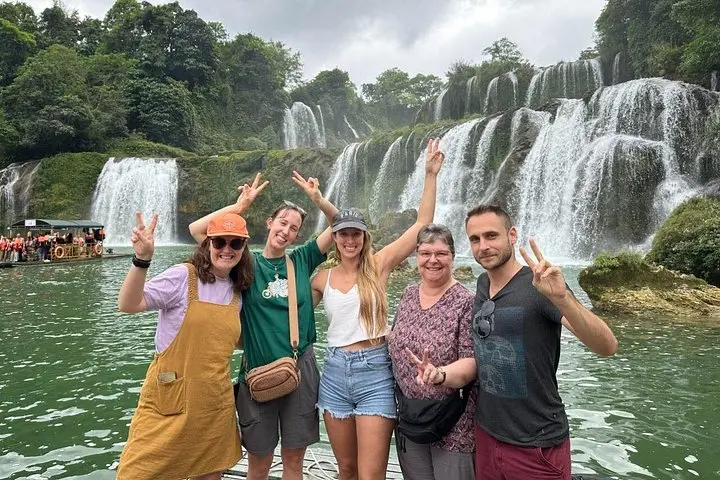
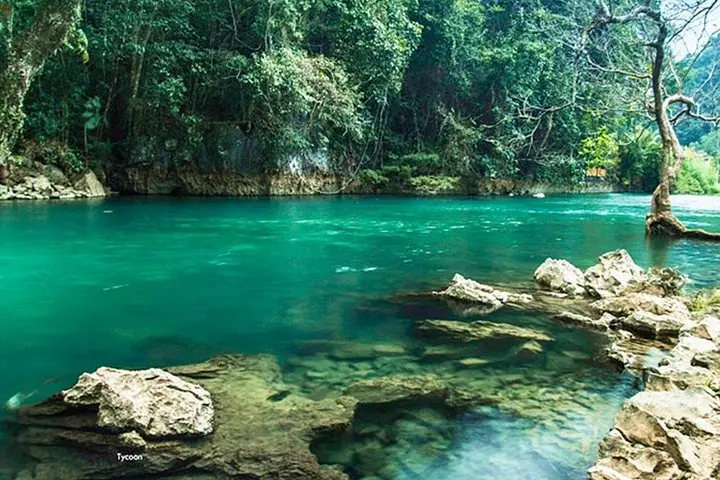
Geology here is loud and readable: karst towers, caves carved over millennia, and rivers that have worn shelves into the stone. Ban Gioc Waterfall marks the border with China and spills across a broad curtain of white, while Nguom Ngao Cave reveals vast chambers of stalactites and drips that record ancient climate. Culturally, the trip threads through Tay and Nung villages; Phia Thap incense makers still follow traditional methods and homestays preserve daily rhythms tied to rice fields and river seasons.
Expect short walking sections, stepped viewpoints, and a cave descent with uneven surfaces; most sightseeing is accessible but involves stairs and muddy trails after rain. Practical planning: leave Hanoi the night before on the sleeper bus to maximize daylight; bring a headlamp for cave passages, waterproof layers, and local currency for small purchases. Hydrate frequently—the winding roads and altitude shifts are subtle but real—and allow extra time for photo stops at Ma Phuc Pass and the Eyes of the Gods outcrop.
This loop balances big natural moments with hands‑on cultural stops; come prepared for basic homestay comforts, variable weather, and plenty of picture moments framed by limestone and river spray.
The sleeper bus departs late evening and arrives around 5:00 the next morning; expect roughly 7–9 hours depending on traffic and stops.
This tour includes entrance fees to Nguom Ngao Cave and Ban Gioc Waterfall as listed in the inclusions.
Homestays are basic and clean, offering local meals and shared facilities — expect simple bedding and an authentic village experience.
The itinerary is generally suitable for all fitness levels, but it’s not recommended for travelers with serious mobility, spinal, heart, or pregnancy restrictions per the provider’s guidance.
Authenitc Travel DA NANG operates guided outdoor trips and adventures with an emphasis on safety, stewardship, and memorable experiences.

Dawn finds the sleeper bus sliding into Cao Bang like a slow breath: mist clings to ridgelines and limestone spines jut from green paddies. On this two‑day loop the landscape moves—rivers daring you toward waterfalls, passes that force a steady gaze, and villages where incense smoke threads between wooden homes.
Dawn finds the sleeper bus sliding into Cao Bang like a slow breath: mist clings to ridgelines and limestone spines jut from green paddies. On this two‑day loop the landscape moves—rivers daring you toward waterfalls, passes that force a steady gaze, and villages where incense smoke threads between wooden homes.
Geology here is loud and readable: karst towers, caves carved over millennia, and rivers that have worn shelves into the stone. Ban Gioc Waterfall marks the border with China and spills across a broad curtain of white, while Nguom Ngao Cave reveals vast chambers of stalactites and drips that record ancient climate. Culturally, the trip threads through Tay and Nung villages; Phia Thap incense makers still follow traditional methods and homestays preserve daily rhythms tied to rice fields and river seasons.
Expect short walking sections, stepped viewpoints, and a cave descent with uneven surfaces; most sightseeing is accessible but involves stairs and muddy trails after rain. Practical planning: leave Hanoi the night before on the sleeper bus to maximize daylight; bring a headlamp for cave passages, waterproof layers, and local currency for small purchases. Hydrate frequently—the winding roads and altitude shifts are subtle but real—and allow extra time for photo stops at Ma Phuc Pass and the Eyes of the Gods outcrop.
This loop balances big natural moments with hands‑on cultural stops; come prepared for basic homestay comforts, variable weather, and plenty of picture moments framed by limestone and river spray.