THE ADVENTURE COLLECTIVE® · Independent discovery and booking for outdoor travel

A three-day circuit through Cao Bang's borderlands, this tour pairs towering karst passes and Ban Gioc Waterfall with Pac Bo's revolutionary history and village homestays. Expect long travel days, easy walks to viewpoints, and close cultural exchanges in Tay and Nung communities.
A three-day circuit through Cao Bang's borderlands, this tour pairs towering karst passes and Ban Gioc Waterfall with Pac Bo's revolutionary history and village homestays. Expect long travel days, easy walks to viewpoints, and close cultural exchanges in Tay and Nung communities.
You wake before dawn on a sleeper bus and step into a raw northern light: limestone ridges shoulder the road, and rivers thread silver through paddies. The first day unfolds through quiet towns and bamboo groves; by dusk you’re in a local homestay where wood smoke and shared bowls mark the rhythm of life here.
Verified experiences and guided adventures in the surrounding area.
Operated by Authentic SAPA · Cao Bang, Cao Bang Province
You wake before dawn on a sleeper bus and step into a raw northern light: limestone ridges shoulder the road, and rivers thread silver through paddies. The first day unfolds through quiet towns and bamboo groves; by dusk you’re in a local homestay where wood smoke and shared bowls mark the rhythm of life here.
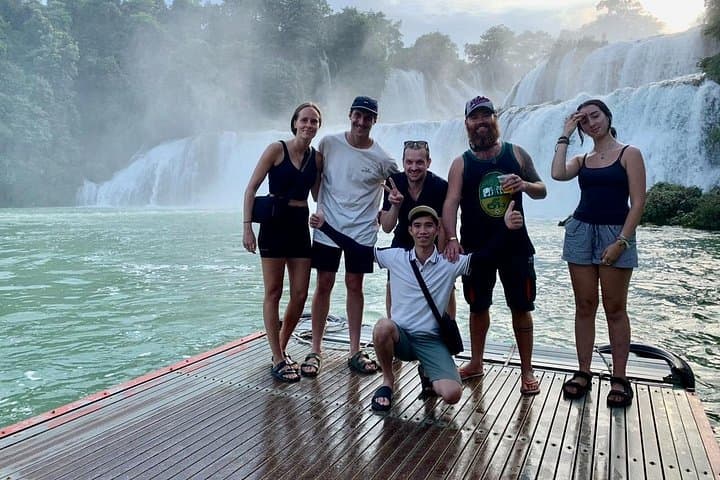
Cao Bang sits on Vietnam’s rugged borderlands — karst peaks carved over millions of years, river corridors that shaped trade and conflict, and villages of Tay, Nung and Hmong people who keep distinct languages, textiles and agricultural cycles. Pac Bo Cave the tour visits is not only geological shelter but a focal point of 20th-century Vietnamese history: it was a base for Hồ Chí Minh’s return and early revolutionary meetings. Ban Gioc, the region’s signature waterfall, drops in tiered curtains splitting the border; its flow swells with seasonal rains and dares you to stand close enough to feel the spray.
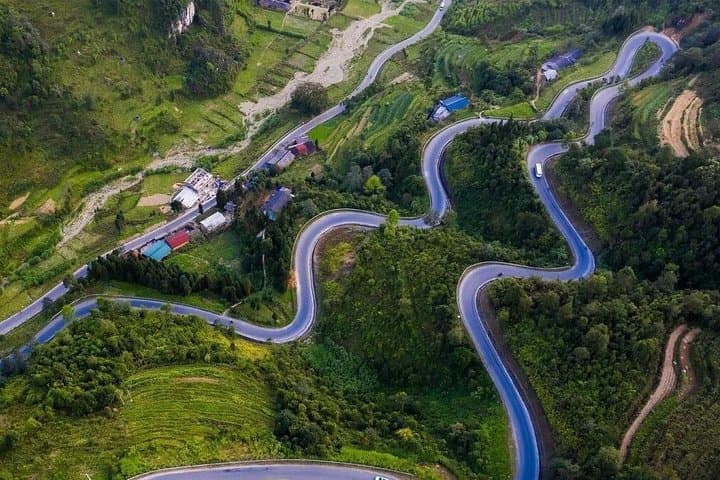
Expect short walks, viewpoints reached by stepping trails and paved roads with steep hairpins (Me Pia Pass). Cultural moments—market visits, homestay dinners, pagoda stops—are as central as scenery. Practical side: days are long but not technically hard; pack sturdy footwear for wet rocks, a rain shell, and insect protection. Bring cash for small entrances and village purchases, and time your visit in shoulder seasons to avoid peak rains and to catch clearer views. Move deliberately: listen to local guides, respect household norms in homestays, and leave no trace on fragile karst slopes.
The itinerary emphasizes sightseeing, short walks and market visits rather than long treks; basic mobility (stairs, uneven ground) is required but no special fitness or technical skills are necessary.
Yes—three breakfasts and lunches, two dinners and two nights in local homestays are included as listed; bring snacks for bus sections.
Ban Gioc sits on the Vietnam–China border; the tour visits the Vietnamese side only and does not require border permits beyond your standard Vietnam entry visa—carry identification and confirm visa requirements before travel.
Vegetarian requests can be handled if notified in advance; inform the operator when booking so homestays and restaurants can prepare alternative dishes.
Authentic SAPA operates guided outdoor trips and adventures with an emphasis on safety, stewardship, and memorable experiences.
You wake before dawn on a sleeper bus and step into a raw northern light: limestone ridges shoulder the road, and rivers thread silver through paddies. The first day unfolds through quiet towns and bamboo groves; by dusk you’re in a local homestay where wood smoke and shared bowls mark the rhythm of life here.
You wake before dawn on a sleeper bus and step into a raw northern light: limestone ridges shoulder the road, and rivers thread silver through paddies. The first day unfolds through quiet towns and bamboo groves; by dusk you’re in a local homestay where wood smoke and shared bowls mark the rhythm of life here.
Cao Bang sits on Vietnam’s rugged borderlands — karst peaks carved over millions of years, river corridors that shaped trade and conflict, and villages of Tay, Nung and Hmong people who keep distinct languages, textiles and agricultural cycles. Pac Bo Cave the tour visits is not only geological shelter but a focal point of 20th-century Vietnamese history: it was a base for Hồ Chí Minh’s return and early revolutionary meetings. Ban Gioc, the region’s signature waterfall, drops in tiered curtains splitting the border; its flow swells with seasonal rains and dares you to stand close enough to feel the spray.
Expect short walks, viewpoints reached by stepping trails and paved roads with steep hairpins (Me Pia Pass). Cultural moments—market visits, homestay dinners, pagoda stops—are as central as scenery. Practical side: days are long but not technically hard; pack sturdy footwear for wet rocks, a rain shell, and insect protection. Bring cash for small entrances and village purchases, and time your visit in shoulder seasons to avoid peak rains and to catch clearer views. Move deliberately: listen to local guides, respect household norms in homestays, and leave no trace on fragile karst slopes.