THE ADVENTURE COLLECTIVE® · Independent discovery and booking for outdoor travel

Ride a three-day loop through Cao Bang’s karst pinnacles, splash at Ban Gioc Waterfall, and sleep in family-run homestays. This tour pairs dramatic landscapes with hands-on cultural encounters and straightforward logistics.
Ride a three-day loop through Cao Bang’s karst pinnacles, splash at Ban Gioc Waterfall, and sleep in family-run homestays. This tour pairs dramatic landscapes with hands-on cultural encounters and straightforward logistics.
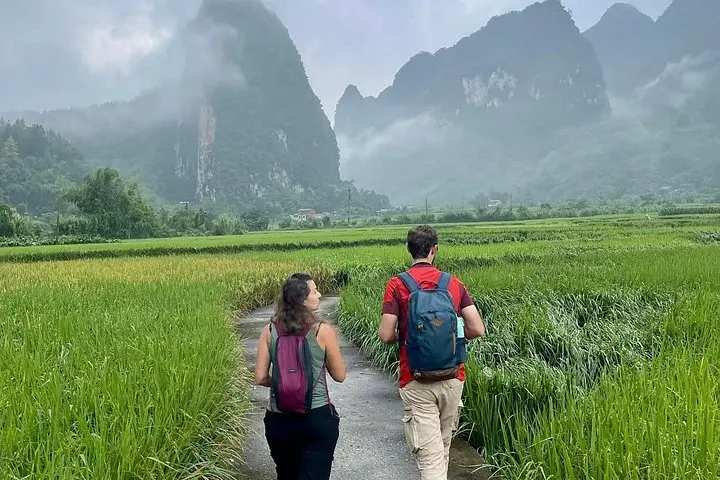
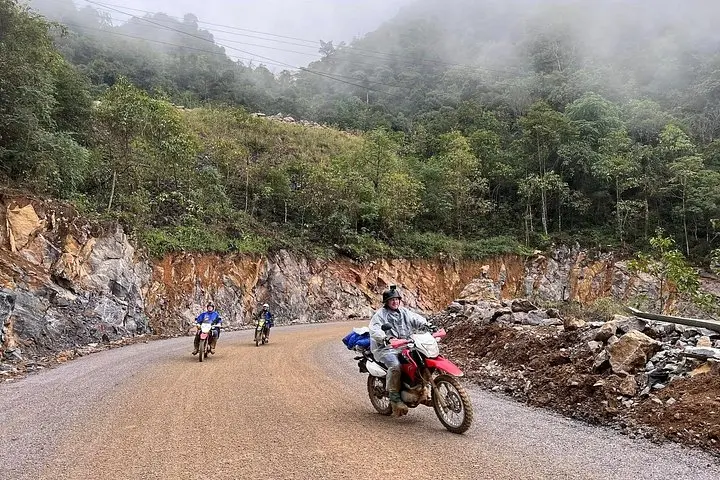
You step off a sleeper bus into thin northern air as dawn thins the shadows over limestone shoulders. Helmets click, engines cough awake, and the road unfurls—tight switchbacks, rice-flat valleys, and karst towers that seem to challenge you to keep pace.
Verified experiences and guided adventures in the surrounding area.
Operated by Vietmountain Travel · Cao Bang City, Cao Bang Province
You step off a sleeper bus into thin northern air as dawn thins the shadows over limestone shoulders. Helmets click, engines cough awake, and the road unfurls—tight switchbacks, rice-flat valleys, and karst towers that seem to challenge you to keep pace.
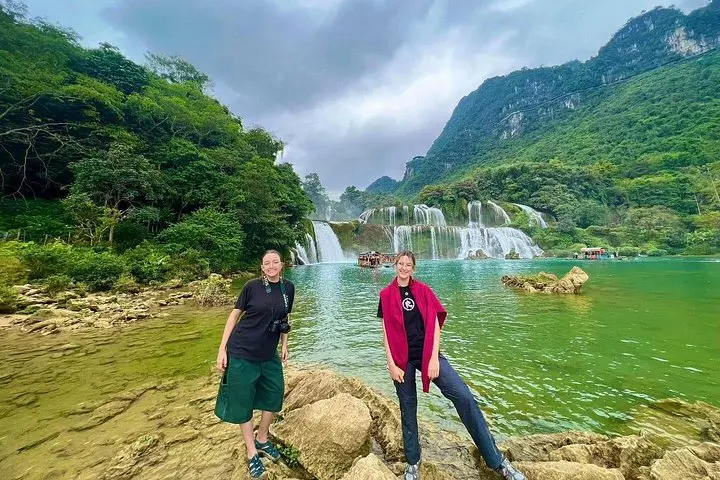
This loop threads Cao Bang Province’s defining elements: towering karst geology that carved caves like Nguom Ngao (about 2 km of passages), broad rivers feeding the thundering Ban Gioc Waterfall on the Vietnam–China border, and the patchwork fields worked by Tay and Nung communities. History appears in small sites too—the Pac Bo complex where Ho Chi Minh sheltered and Lenin Stream’s clear flow—adding human scale to the landscape.
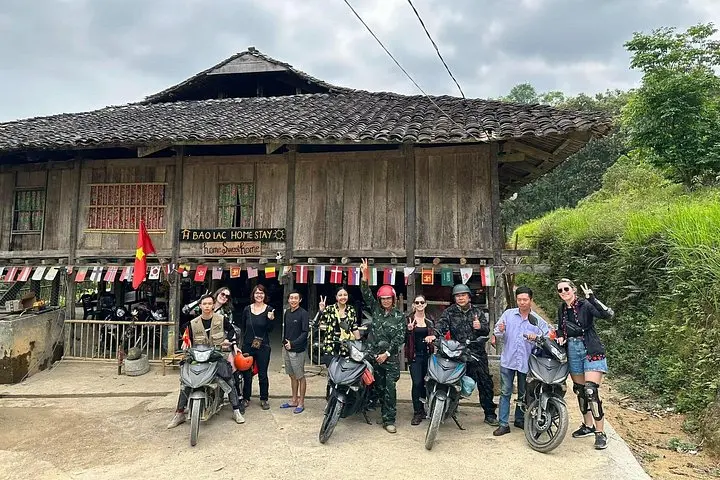
Expect long riding days on paved rural roads and some steep passes (Ma Phuc is one notable ascent). Cultural exchange is part of the route: two nights in local homestays in stone houses, shared meals, and village craft stops where paper and ironwork are still hand-made. Nature acts with authority here—the waterfall sprays like a call to stand closer; a karst peak with a circular hole, “Angel Eye,” frames the sky like a natural lens.
Practical side: riders should be comfortable on a motorbike for multi-hour stints or opt to ride as a passenger. Pack layered clothing for variable mountain temps, a reliable helmet, and cash for small village purchases. Plan for early starts to avoid midday heat and to reach viewpoints in soft light. The route is accessible year-round but weather controls visibility and road conditions—check forecasts and local guidance before departure.
Local operators usually allow experienced riders to take the supplied motorcycle; carry your license and international permit if you plan to ride independently—otherwise you can ride as a passenger.
Homestays are simple, traditional stone houses with private rooms for pairs; expect basic comforts and shared facilities in rural settings.
Mountain weather can change quickly—cool mornings, warm afternoons, and sudden rain—so pack layers and check forecasts before departure.
Boat access to the base of Ban Gioc is usually available in the wet season when water levels allow; operators arrange sampan rides when conditions are safe.
Vietmountain Travel operates guided outdoor trips and adventures with an emphasis on safety, stewardship, and memorable experiences.
You step off a sleeper bus into thin northern air as dawn thins the shadows over limestone shoulders. Helmets click, engines cough awake, and the road unfurls—tight switchbacks, rice-flat valleys, and karst towers that seem to challenge you to keep pace.
You step off a sleeper bus into thin northern air as dawn thins the shadows over limestone shoulders. Helmets click, engines cough awake, and the road unfurls—tight switchbacks, rice-flat valleys, and karst towers that seem to challenge you to keep pace.
This loop threads Cao Bang Province’s defining elements: towering karst geology that carved caves like Nguom Ngao (about 2 km of passages), broad rivers feeding the thundering Ban Gioc Waterfall on the Vietnam–China border, and the patchwork fields worked by Tay and Nung communities. History appears in small sites too—the Pac Bo complex where Ho Chi Minh sheltered and Lenin Stream’s clear flow—adding human scale to the landscape.
Expect long riding days on paved rural roads and some steep passes (Ma Phuc is one notable ascent). Cultural exchange is part of the route: two nights in local homestays in stone houses, shared meals, and village craft stops where paper and ironwork are still hand-made. Nature acts with authority here—the waterfall sprays like a call to stand closer; a karst peak with a circular hole, “Angel Eye,” frames the sky like a natural lens.
Practical side: riders should be comfortable on a motorbike for multi-hour stints or opt to ride as a passenger. Pack layered clothing for variable mountain temps, a reliable helmet, and cash for small village purchases. Plan for early starts to avoid midday heat and to reach viewpoints in soft light. The route is accessible year-round but weather controls visibility and road conditions—check forecasts and local guidance before departure.