THE ADVENTURE COLLECTIVE® · Independent discovery and booking for outdoor travel

Ride winding mountain passes, stand beneath Ban Gioc’s tiers and explore Nguom Ngao’s caverns on a 3-day cultural circuit through Cao Bang. This trip pairs dramatic karst scenery with homestay hospitality and short, rewarding walks.
Ride winding mountain passes, stand beneath Ban Gioc’s tiers and explore Nguom Ngao’s caverns on a 3-day cultural circuit through Cao Bang. This trip pairs dramatic karst scenery with homestay hospitality and short, rewarding walks.
A damp morning light filters through limestone trunks as a sleeper bus hisses into Cao Bang—this is the moment the mountains start to rearrange your sense of distance. Over three days you ride narrow passes, thread through bamboo groves and listen as river water insists on pushing the landscape forward toward Ban Gioc waterfall.
Verified experiences and guided adventures in the surrounding area.
Operated by Local Tours PU LUONG · Cao Bang, Cao Bang Province
A damp morning light filters through limestone trunks as a sleeper bus hisses into Cao Bang—this is the moment the mountains start to rearrange your sense of distance. Over three days you ride narrow passes, thread through bamboo groves and listen as river water insists on pushing the landscape forward toward Ban Gioc waterfall.
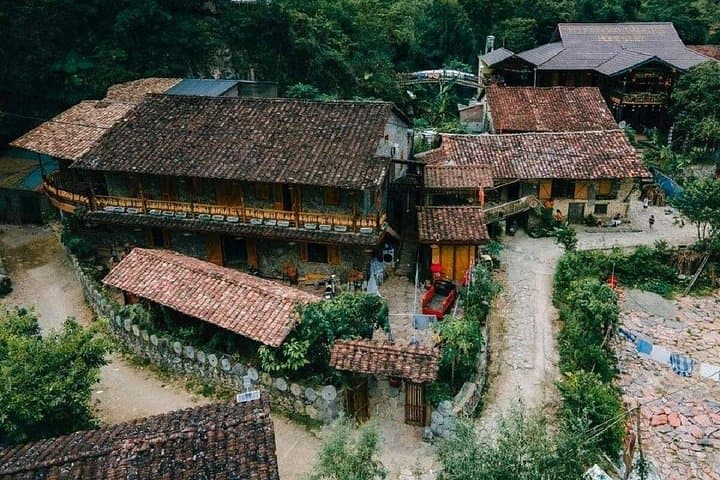
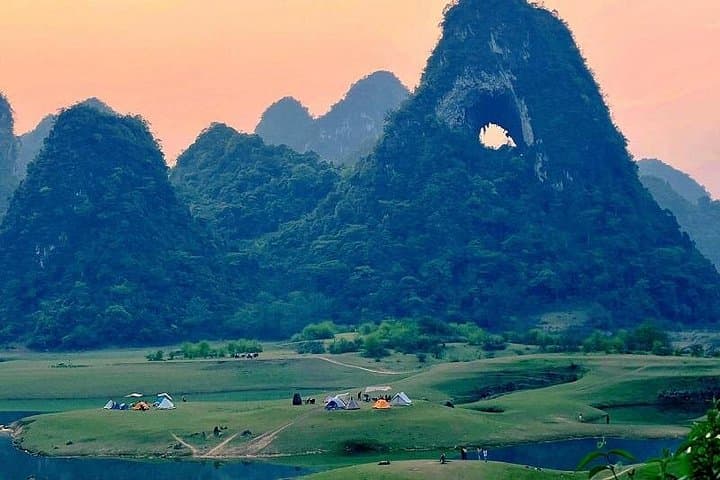
This region sits on the karst edge of northeastern Vietnam where uplifted limestone and river incision create sheer cliffs, cave networks and broad grassy saddles such as Vinh Quy. History is close here: Pác Bó cave is where Hồ Chí Minh returned in 1941, and the Quây Sơn/Quang Uyen borderlands have shaped local Tay, Nung and H’mong lifeways for centuries. Villages are built around rice terraces, stilt houses and communal markets that still trade in homegrown produce and woven textiles.
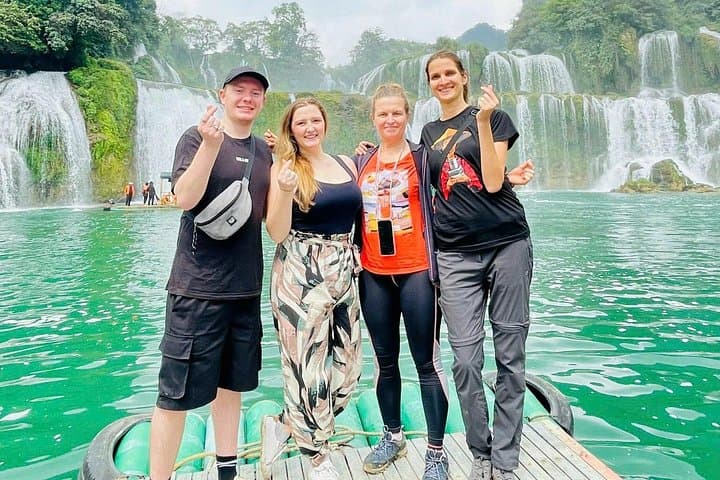
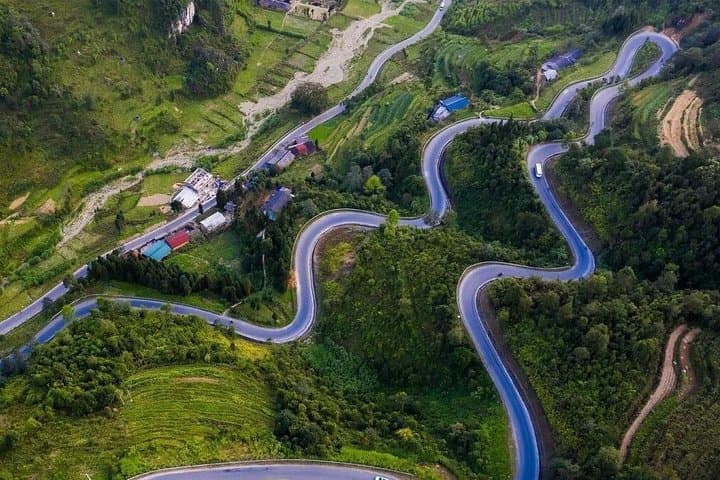
Expect short walks and viewpoint scrambles rather than long hikes: the highlights are Ban Gioc’s 30m tiers and broad plunge, the 2+ km of Nguom Ngao cave chambers, and the hairpin drama of Me Pia Pass with its 14 bends. Accommodation is homestay-style—simple rooms, shared meals, and early nights for the next day’s drives.
Practical guidance: pack a rain layer and solid walking shoes, carry local currency, and plan for long transit windows (the overnight bus to Cao Bang runs ~8–9 hours). Respect border markers at Ban Gioc, follow cave signage, and set your expectations to cultural immersion over creature comforts.
The sleeper bus typically departs late evening and takes about 8–9 hours, arriving early morning in Cao Bang.
Yes—accommodation and activities are low-impact, but the itinerary involves long vehicle transfers and some uneven walking surfaces.
Visitors should carry valid travel documents; Ban Gioc sits on the border—follow local signage and guides but no extra permit is required for standard tourist visits.
The standard package includes three breakfasts, lunches and dinners as listed plus entrance fees to Pac Bo, Nguom Ngao and Ban Gioc waterfall; confirm specifics with the operator before booking.
Local Tours PU LUONG operates guided outdoor trips and adventures with an emphasis on safety, stewardship, and memorable experiences.
A damp morning light filters through limestone trunks as a sleeper bus hisses into Cao Bang—this is the moment the mountains start to rearrange your sense of distance. Over three days you ride narrow passes, thread through bamboo groves and listen as river water insists on pushing the landscape forward toward Ban Gioc waterfall.
A damp morning light filters through limestone trunks as a sleeper bus hisses into Cao Bang—this is the moment the mountains start to rearrange your sense of distance. Over three days you ride narrow passes, thread through bamboo groves and listen as river water insists on pushing the landscape forward toward Ban Gioc waterfall.
This region sits on the karst edge of northeastern Vietnam where uplifted limestone and river incision create sheer cliffs, cave networks and broad grassy saddles such as Vinh Quy. History is close here: Pác Bó cave is where Hồ Chí Minh returned in 1941, and the Quây Sơn/Quang Uyen borderlands have shaped local Tay, Nung and H’mong lifeways for centuries. Villages are built around rice terraces, stilt houses and communal markets that still trade in homegrown produce and woven textiles.
Expect short walks and viewpoint scrambles rather than long hikes: the highlights are Ban Gioc’s 30m tiers and broad plunge, the 2+ km of Nguom Ngao cave chambers, and the hairpin drama of Me Pia Pass with its 14 bends. Accommodation is homestay-style—simple rooms, shared meals, and early nights for the next day’s drives.
Practical guidance: pack a rain layer and solid walking shoes, carry local currency, and plan for long transit windows (the overnight bus to Cao Bang runs ~8–9 hours). Respect border markers at Ban Gioc, follow cave signage, and set your expectations to cultural immersion over creature comforts.