THE ADVENTURE COLLECTIVE® · Independent discovery and booking for outdoor travel

A compact three-day circuit through Cao Bang province that pairs Vietnam’s dramatic karst scenery with cultural stops: Ban Gioc Waterfall, Pac Bo historic sites, Ngườm Ngao cave and village homestays. Perfect for travelers seeking big landscapes on a short itinerary.
A compact three-day circuit through Cao Bang province that pairs Vietnam’s dramatic karst scenery with cultural stops: Ban Gioc Waterfall, Pac Bo historic sites, Ngườm Ngao cave and village homestays. Perfect for travelers seeking big landscapes on a short itinerary.
Mist sits low in the valleys as a morning bus slides out of Hanoi and into the limestone folds of northern Vietnam. On this three-day circuit, travelers wake to the river’s hush, trace narrow mountain passes and arrive at Thác Bản Giốc where water tumbles across tiers and dares you to step closer.
Verified experiences and guided adventures in the surrounding area.
Operated by Local Tours SAPA · Cao Bang, Cao Bang
Mist sits low in the valleys as a morning bus slides out of Hanoi and into the limestone folds of northern Vietnam. On this three-day circuit, travelers wake to the river’s hush, trace narrow mountain passes and arrive at Thác Bản Giốc where water tumbles across tiers and dares you to step closer.
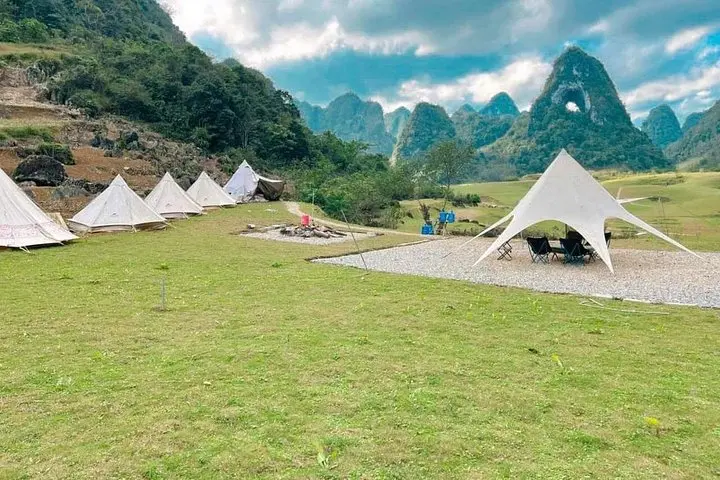
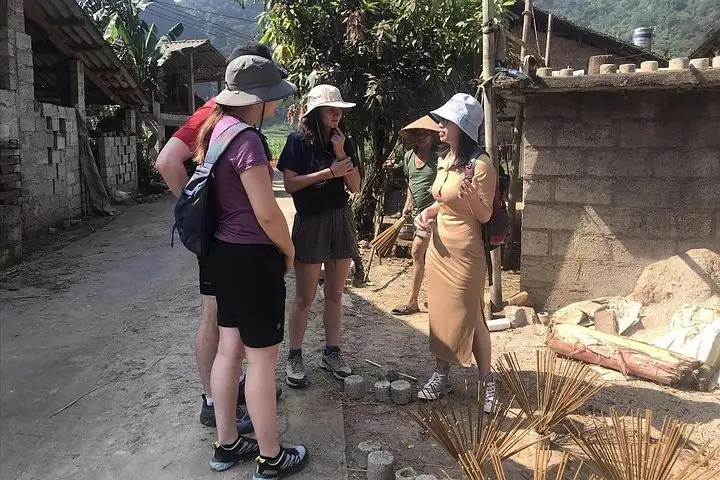
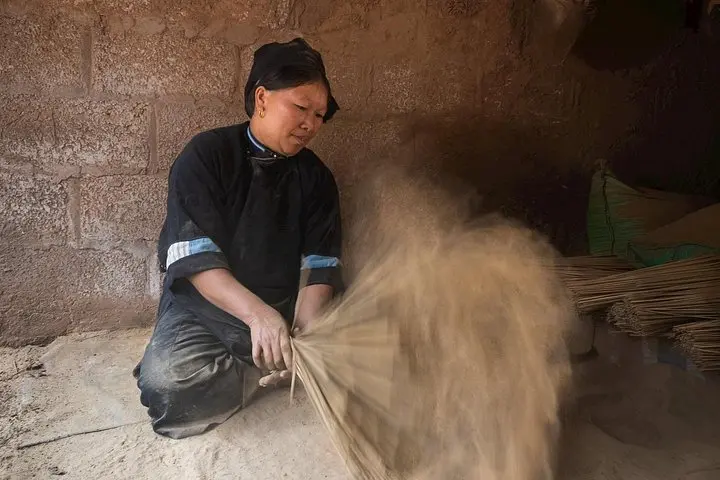
The route threads history and geology: Pac Bo’s Coc Bo Cave and Lenin Stream recall Ho Chi Minh’s return to Vietnam; the surrounding karst towers are the result of millions of years of limestone dissolution, carving caves, sinkholes and the “eye” of Angel Eye Mountain. Local Tay, Nung and H’mong communities farm terraces and craft incense in Phia Thap—culture felt in homestay meals and slow valley life.
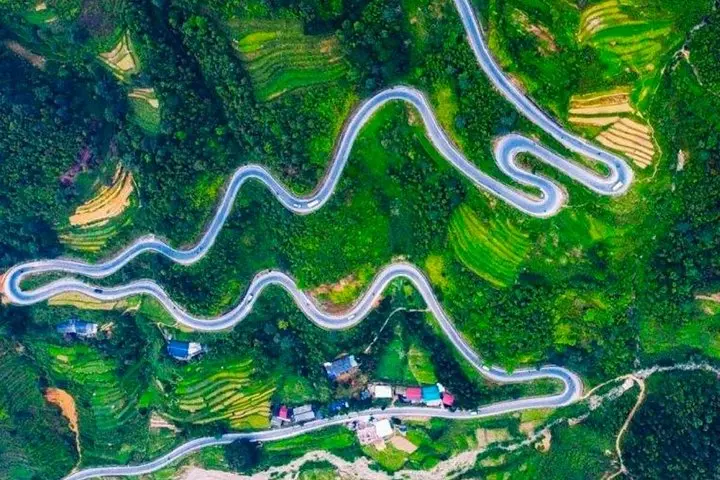
Expect a mix of short walks (cave passages, viewpoint steps) and long driving stretches along National Highway 3. Days center on outdoor sites—Ban Gioc’s spray and Quây Sơn’s border river, Phong Nam’s wide valley, and the cool dripstones of Ngườm Ngao cave—so weather and footing matter more than technical skills.
Practical guidance: bring waterproof layers and sturdy shoes for wet rocks and cave floors; carry cash in small denominations for village purchases; keep your passport handy when photographing border areas; and plan travel time—the Hanoi–Cao Bang shuttle takes most of a day each way. Visit early for softer light at Ban Gioc and to avoid weekend crowds at Kim Dong Pedestrian Street. The circuit is a compact, sensory introduction to Vietnam’s karst frontier—equal parts geology, living culture and rivers that push the landscape forward.
Bring your passport for ID when visiting border areas; visa requirements depend on your nationality—arrange any visa before travel.
Walking is moderate: short hikes, cave exploration with stairs and boardwalks, and brief viewpoint climbs; no technical hiking required.
Yes for older children who tolerate long drives and have steady footing; infants and very young children may find travel days tiring.
Visit in late spring or autumn for cooler, drier weather; the waterfall is fullest after rainy season rains but paths may be more slippery then.
Local Tours SAPA operates guided outdoor trips and adventures with an emphasis on safety, stewardship, and memorable experiences.
Mist sits low in the valleys as a morning bus slides out of Hanoi and into the limestone folds of northern Vietnam. On this three-day circuit, travelers wake to the river’s hush, trace narrow mountain passes and arrive at Thác Bản Giốc where water tumbles across tiers and dares you to step closer.
Mist sits low in the valleys as a morning bus slides out of Hanoi and into the limestone folds of northern Vietnam. On this three-day circuit, travelers wake to the river’s hush, trace narrow mountain passes and arrive at Thác Bản Giốc where water tumbles across tiers and dares you to step closer.
The route threads history and geology: Pac Bo’s Coc Bo Cave and Lenin Stream recall Ho Chi Minh’s return to Vietnam; the surrounding karst towers are the result of millions of years of limestone dissolution, carving caves, sinkholes and the “eye” of Angel Eye Mountain. Local Tay, Nung and H’mong communities farm terraces and craft incense in Phia Thap—culture felt in homestay meals and slow valley life.
Expect a mix of short walks (cave passages, viewpoint steps) and long driving stretches along National Highway 3. Days center on outdoor sites—Ban Gioc’s spray and Quây Sơn’s border river, Phong Nam’s wide valley, and the cool dripstones of Ngườm Ngao cave—so weather and footing matter more than technical skills.
Practical guidance: bring waterproof layers and sturdy shoes for wet rocks and cave floors; carry cash in small denominations for village purchases; keep your passport handy when photographing border areas; and plan travel time—the Hanoi–Cao Bang shuttle takes most of a day each way. Visit early for softer light at Ban Gioc and to avoid weekend crowds at Kim Dong Pedestrian Street. The circuit is a compact, sensory introduction to Vietnam’s karst frontier—equal parts geology, living culture and rivers that push the landscape forward.