THE ADVENTURE COLLECTIVE® · Independent discovery and booking for outdoor travel

Two days of winding mountain roads, a thunderous border waterfall and caverns of stone—this loop stitches geology and ethnic culture into a compact northern Vietnam escape. Ideal for travelers who want big scenery with homestay comforts.
Two days of winding mountain roads, a thunderous border waterfall and caverns of stone—this loop stitches geology and ethnic culture into a compact northern Vietnam escape. Ideal for travelers who want big scenery with homestay comforts.
A cold dawn on the sleeper bus eases you into Cao Bang: windows rimmed with mist, limestone ridges rising like dark, patient giants. By mid-morning the road tightens and the landscape opens—winding passes, rice paddies, and villages where smoke curls from stoves and children wave. The loop is built around one clear prize (Ban Gioc Waterfall) and a string of geological and cultural highlights: Ma Phuc Pass, Phia Thap incense village, Mount Eyes of the Gods, Quay Son River, and the luminous chambers of Nguom Ngao Cave.
Verified experiences and guided adventures in the surrounding area.
Operated by Authentic Travel VIETNAM · Cao Bang, Cao Bang Province
A cold dawn on the sleeper bus eases you into Cao Bang: windows rimmed with mist, limestone ridges rising like dark, patient giants. By mid-morning the road tightens and the landscape opens—winding passes, rice paddies, and villages where smoke curls from stoves and children wave. The loop is built around one clear prize (Ban Gioc Waterfall) and a string of geological and cultural highlights: Ma Phuc Pass, Phia Thap incense village, Mount Eyes of the Gods, Quay Son River, and the luminous chambers of Nguom Ngao Cave.
Geologically the region is classic karst—limestone folded and eroded into cliffs, caves, and plunging falls fed by rivers that trace the China–Vietnam border. Culturally, Cao Bang is home to Nung, Tay and other ethnic groups; homestays and craft villages offer direct contact with traditional life—incense rolling, local markets, and lacquered wooden altars.
Expect a mix of short walks, viewpoint stops, and boat-level viewing at Ban Gioc when water is high. Travel is largely by minivan and sleeper bus, with one night in a village homestay. Weather shifts fast: fog in the morning, strong sun mid-day.
Practical guidance: pack layered clothing, a waterproof shell, and sturdy shoes for slippery trails and cave floors. Bring cash for small purchases and tips; phone service can be patchy outside Cao Bang city. Timing matters—visit after rains for the fullest cascades, but be prepared for mud. The loop is accessible to most travelers with reasonable mobility and rewards visitors with dramatic scenery, simple comforts, and an authentic window into northern Vietnam’s borderland life.
Most transfers are 1–3 hours; the loop uses winding mountain roads and includes a sleeper bus Hanoi–Cao Bang overnight.
Yes—the itinerary is designed for general fitness levels, but travelers with serious mobility or cardiovascular issues should take precautions.
Yes; breakfasts, lunches and dinners as listed, plus entrance fees for Ban Gioc and Nguom Ngao Cave are included in the tour price.
No additional visas are required for domestic travel within Vietnam; international visitors should ensure their national visa allows entry to Vietnam.
Authentic Travel VIETNAM operates guided outdoor trips and adventures with an emphasis on safety, stewardship, and memorable experiences.
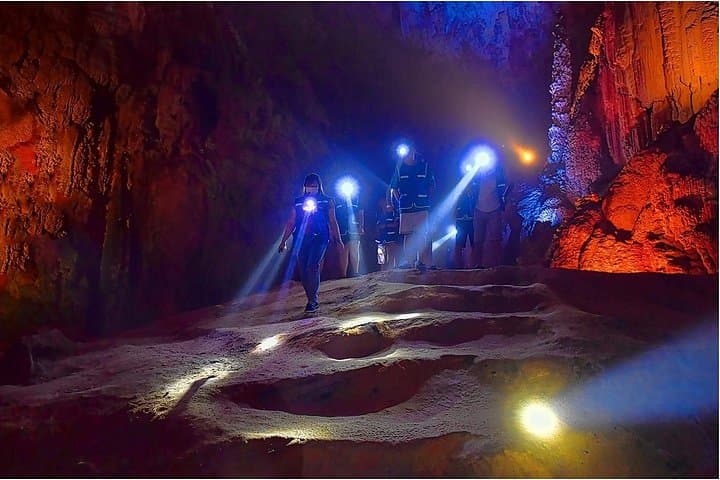
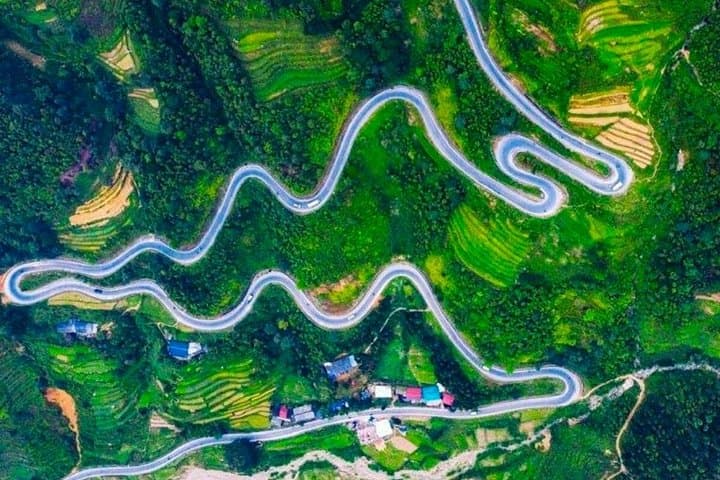
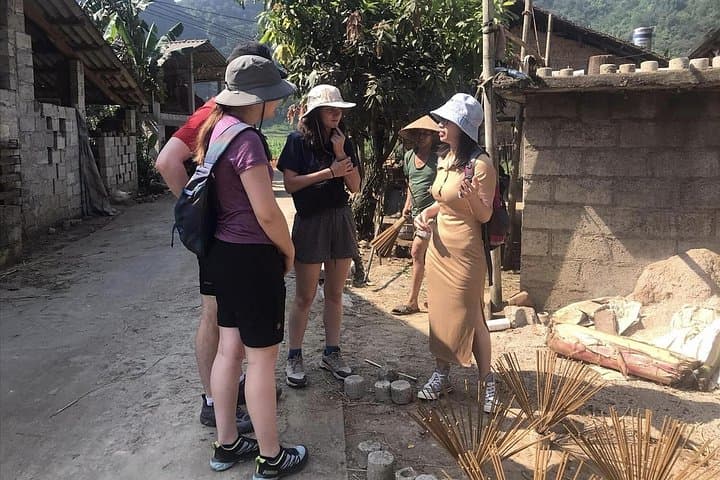
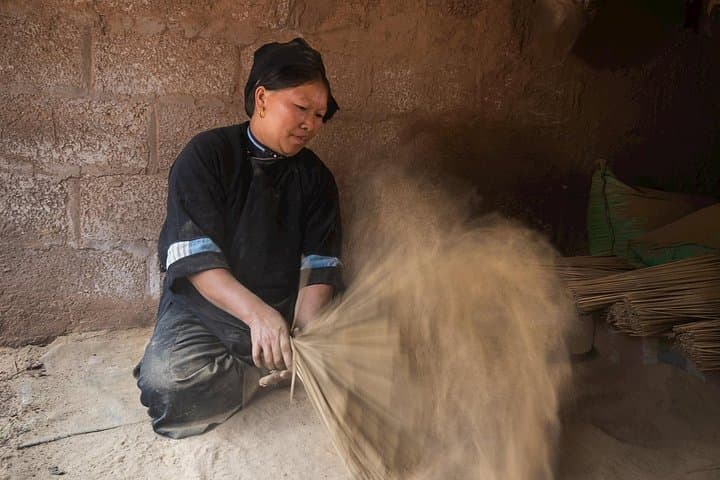
A cold dawn on the sleeper bus eases you into Cao Bang: windows rimmed with mist, limestone ridges rising like dark, patient giants. By mid-morning the road tightens and the landscape opens—winding passes, rice paddies, and villages where smoke curls from stoves and children wave. The loop is built around one clear prize (Ban Gioc Waterfall) and a string of geological and cultural highlights: Ma Phuc Pass, Phia Thap incense village, Mount Eyes of the Gods, Quay Son River, and the luminous chambers of Nguom Ngao Cave.
A cold dawn on the sleeper bus eases you into Cao Bang: windows rimmed with mist, limestone ridges rising like dark, patient giants. By mid-morning the road tightens and the landscape opens—winding passes, rice paddies, and villages where smoke curls from stoves and children wave. The loop is built around one clear prize (Ban Gioc Waterfall) and a string of geological and cultural highlights: Ma Phuc Pass, Phia Thap incense village, Mount Eyes of the Gods, Quay Son River, and the luminous chambers of Nguom Ngao Cave.
Geologically the region is classic karst—limestone folded and eroded into cliffs, caves, and plunging falls fed by rivers that trace the China–Vietnam border. Culturally, Cao Bang is home to Nung, Tay and other ethnic groups; homestays and craft villages offer direct contact with traditional life—incense rolling, local markets, and lacquered wooden altars.
Expect a mix of short walks, viewpoint stops, and boat-level viewing at Ban Gioc when water is high. Travel is largely by minivan and sleeper bus, with one night in a village homestay. Weather shifts fast: fog in the morning, strong sun mid-day.
Practical guidance: pack layered clothing, a waterproof shell, and sturdy shoes for slippery trails and cave floors. Bring cash for small purchases and tips; phone service can be patchy outside Cao Bang city. Timing matters—visit after rains for the fullest cascades, but be prepared for mud. The loop is accessible to most travelers with reasonable mobility and rewards visitors with dramatic scenery, simple comforts, and an authentic window into northern Vietnam’s borderland life.