THE ADVENTURE COLLECTIVE® · Independent discovery and booking for outdoor travel

A compact three-day circuit from Hanoi to Cao Bang that pairs Ban Gioc Waterfall with Pác Bó historic sites and limestone valleys. Ideal for travelers who want dramatic scenery, short hikes, and cultural homestays without intense trekking.
A compact three-day circuit from Hanoi to Cao Bang that pairs Ban Gioc Waterfall with Pác Bó historic sites and limestone valleys. Ideal for travelers who want dramatic scenery, short hikes, and cultural homestays without intense trekking.
You step onto a morning limousine in Hanoi Old Quarter and watch the city recede—rice paddies and karst ridgelines take their place. By mid-afternoon the road slices into green valleys; limestone cliffs lean in like weathered guardians, and by dusk you arrive in Cao Bang where the river air smells faintly of moss and wood smoke.
Verified experiences and guided adventures in the surrounding area.
Operated by Vietnam Cultural Tours · Cao Bang, Cao Bang Province
You step onto a morning limousine in Hanoi Old Quarter and watch the city recede—rice paddies and karst ridgelines take their place. By mid-afternoon the road slices into green valleys; limestone cliffs lean in like weathered guardians, and by dusk you arrive in Cao Bang where the river air smells faintly of moss and wood smoke.
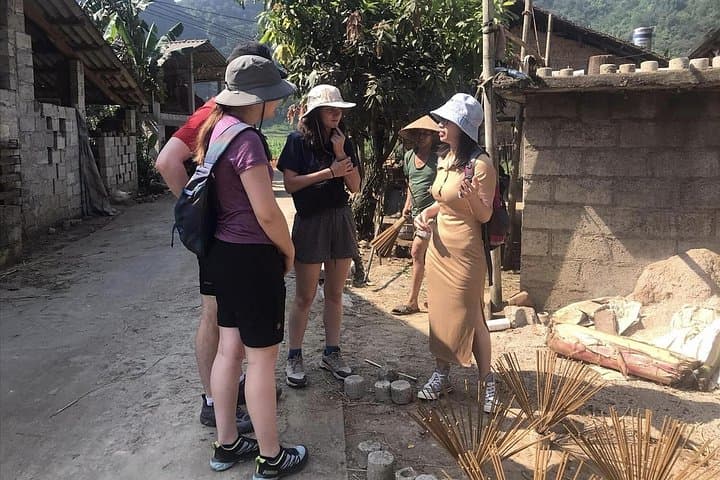
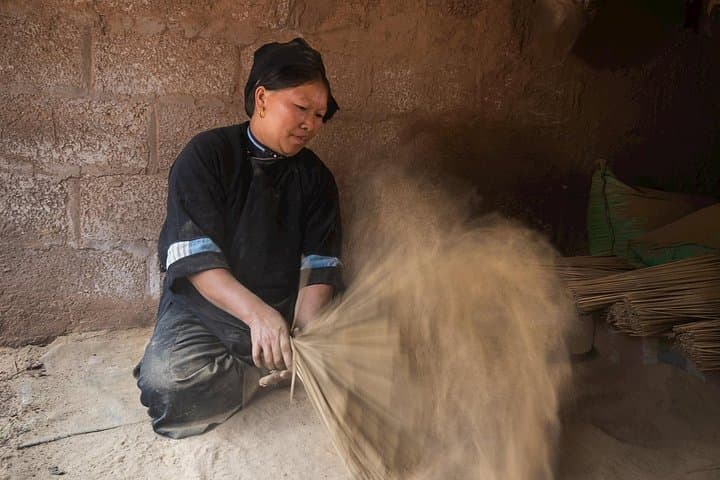
This three-day circuit threads natural and historical sites: Pác Bó’s Lenin Stream and Coc Bo Cave where Ho Chi Minh returned in 1941, the multi-tiered roar of Ban Gioc Waterfall on the China border, the sculpted caves of Ngườm Ngao, and grass-swept Vinh Quy Hill. Geologically, Cao Bang is defined by limestone karst—caves, natural arches, and steep passes carved over millions of years. Ethnically diverse valleys are home to Tay, Nung and H’mong villages whose crafts and incense traditions remain part of everyday life.
Expect short walks rather than long hikes: viewpoint steps, cave paths with some uneven limestone floors, and village lanes. Accommodation alternates between a modest hotel and a homestay, offering close contact with local life. Weather changes quickly—mornings can be misty, afternoons warm, evenings cool—so layer.
Practical edge: carry cash for remote stalls, pack a lightweight rain jacket and insect repellent, and allow flexibility for border-area access. The itinerary covers most entrance fees and some meals; bring sturdy shoes for wet rocks at the waterfall and a small daypack for camera, water, and snacks. Travel time by bus is long—rest well before departure and keep motion-sickness remedies handy.
Walks are short to moderate—viewpoint stairs, cave paths and village lanes. No sustained trekking is required, but uneven surfaces demand steady footwear.
The itinerary includes breakfasts, lunches and some dinners as listed; bring cash for any extra snacks or drinks at local stalls.
Ban Gioc sits near the Vietnam–China border; standard Vietnamese entry requirements apply—no special border permit is required for the usual tourist trail, but carry ID and follow guide instructions.
Yes—physical demands are moderate and the trip is marketed to all fitness levels, but those with spinal, heart, or pregnancy-related restrictions are advised against strenuous parts.
Vietnam Cultural Tours operates guided outdoor trips and adventures with an emphasis on safety, stewardship, and memorable experiences.

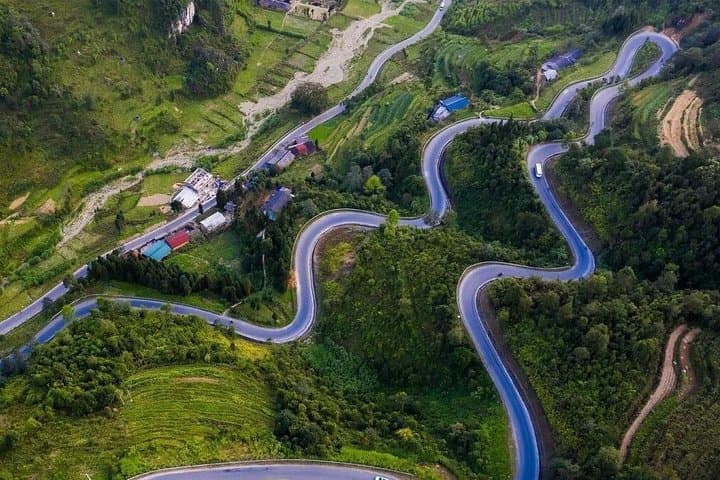
You step onto a morning limousine in Hanoi Old Quarter and watch the city recede—rice paddies and karst ridgelines take their place. By mid-afternoon the road slices into green valleys; limestone cliffs lean in like weathered guardians, and by dusk you arrive in Cao Bang where the river air smells faintly of moss and wood smoke.
You step onto a morning limousine in Hanoi Old Quarter and watch the city recede—rice paddies and karst ridgelines take their place. By mid-afternoon the road slices into green valleys; limestone cliffs lean in like weathered guardians, and by dusk you arrive in Cao Bang where the river air smells faintly of moss and wood smoke.
This three-day circuit threads natural and historical sites: Pác Bó’s Lenin Stream and Coc Bo Cave where Ho Chi Minh returned in 1941, the multi-tiered roar of Ban Gioc Waterfall on the China border, the sculpted caves of Ngườm Ngao, and grass-swept Vinh Quy Hill. Geologically, Cao Bang is defined by limestone karst—caves, natural arches, and steep passes carved over millions of years. Ethnically diverse valleys are home to Tay, Nung and H’mong villages whose crafts and incense traditions remain part of everyday life.
Expect short walks rather than long hikes: viewpoint steps, cave paths with some uneven limestone floors, and village lanes. Accommodation alternates between a modest hotel and a homestay, offering close contact with local life. Weather changes quickly—mornings can be misty, afternoons warm, evenings cool—so layer.
Practical edge: carry cash for remote stalls, pack a lightweight rain jacket and insect repellent, and allow flexibility for border-area access. The itinerary covers most entrance fees and some meals; bring sturdy shoes for wet rocks at the waterfall and a small daypack for camera, water, and snacks. Travel time by bus is long—rest well before departure and keep motion-sickness remedies handy.