THE ADVENTURE COLLECTIVE® · Independent discovery and booking for outdoor travel

A three-day circuit through Cao Bang’s dramatic karst landscape, this tour links Pac Bo’s historic caves with Angel Eye Mountain and the multi-tiered Ban Gioc waterfall. Expect scenic drives, short hikes, cultural homestays and wet, powerful cascades.
A three-day circuit through Cao Bang’s dramatic karst landscape, this tour links Pac Bo’s historic caves with Angel Eye Mountain and the multi-tiered Ban Gioc waterfall. Expect scenic drives, short hikes, cultural homestays and wet, powerful cascades.
You step off the overnight bus into cool mountain air and a landscape that keeps changing—limestone ribs, patchwork paddies and a river that threads the valleys like a silver ribbon. Morning in Cao Bang smells of wet earth and wood smoke; the road climbs past Ma Phuc Pass and opens on views that make you slow your breathing.
Verified experiences and guided adventures in the surrounding area.
Operated by Authentic HALONG · Cao Bang, Cao Bang Province
You step off the overnight bus into cool mountain air and a landscape that keeps changing—limestone ribs, patchwork paddies and a river that threads the valleys like a silver ribbon. Morning in Cao Bang smells of wet earth and wood smoke; the road climbs past Ma Phuc Pass and opens on views that make you slow your breathing.
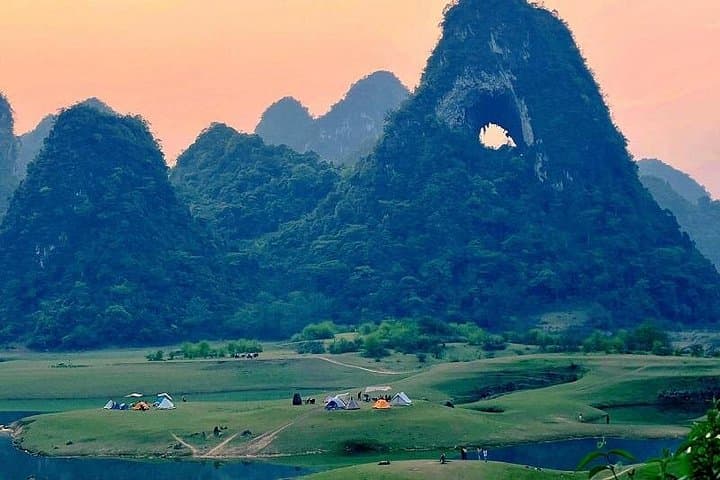
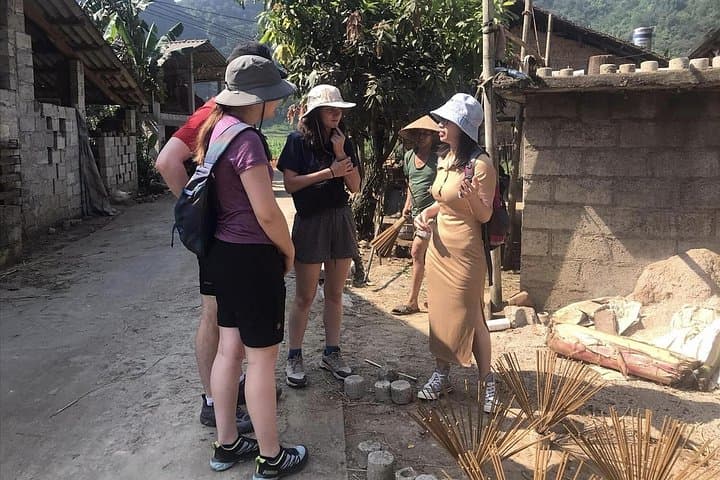
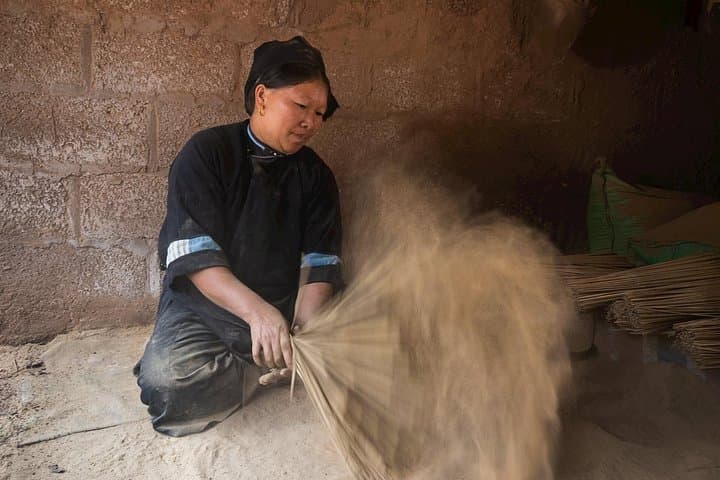
This three-day circuit threads Vietnam’s northern frontier: Pac Bo’s Lenin Stream and Coc Bo Cave where Ho Chi Minh once sheltered; the limestone calderas that sculpt Angel Eye Mountain; and Thác Bản Giốc (Ban Gioc), a multi-tiered fall spilling toward the Chinese border. Geologically, the region is young karst—limestone dissolved into cliffs, sinkholes and cave systems such as Nguom Ngao. Culturally, Tay, Nung and H’mong communities farm steep terraces, craft incense in Phia Thap and keep living traditions visible in homestays and markets.
Practical guidance: the tour uses daytime drives and short walks—expect uneven trails, slick rock near falls, and steep steps in caves. Carry layered rain protection and footwear with good grip; water flow at Ban Gioc can swell after rains, improving spectacle but increasing spray and slipperiness. Bring local currency for small purchases; Wi‑Fi is intermittent outside Cao Bang City.
Timings are long but paced: early departures, mid-day sightseeing, homestay evenings. Respect local customs in villages, ask before photographing people, and give yourself time at viewpoints—the best photos often come from the quiet, patient moments when the light and mist meet.
The tour is designed for most fitness levels—walking at sites is short but includes uneven ground, steps and wet surfaces; no technical climbing required.
No—this itinerary visits sites near the Vietnamese border but does not cross into China; bring ID and keep travel documents handy for any local checks.
Accommodation includes one night in a hotel in Cao Bang City and one night in a local homestay near Ban Gioc with basic facilities and home-cooked meals.
Yes—the operator requests dietary needs in advance and can prepare vegetarian meals during the trip.
Authentic HALONG operates guided outdoor trips and adventures with an emphasis on safety, stewardship, and memorable experiences.
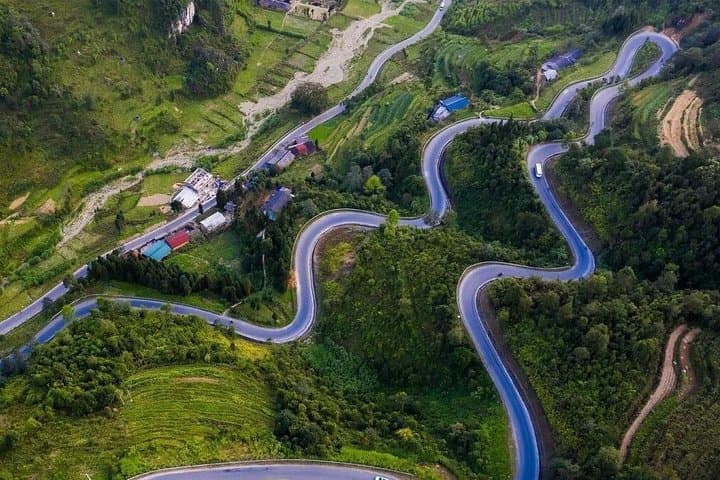
You step off the overnight bus into cool mountain air and a landscape that keeps changing—limestone ribs, patchwork paddies and a river that threads the valleys like a silver ribbon. Morning in Cao Bang smells of wet earth and wood smoke; the road climbs past Ma Phuc Pass and opens on views that make you slow your breathing.
You step off the overnight bus into cool mountain air and a landscape that keeps changing—limestone ribs, patchwork paddies and a river that threads the valleys like a silver ribbon. Morning in Cao Bang smells of wet earth and wood smoke; the road climbs past Ma Phuc Pass and opens on views that make you slow your breathing.
This three-day circuit threads Vietnam’s northern frontier: Pac Bo’s Lenin Stream and Coc Bo Cave where Ho Chi Minh once sheltered; the limestone calderas that sculpt Angel Eye Mountain; and Thác Bản Giốc (Ban Gioc), a multi-tiered fall spilling toward the Chinese border. Geologically, the region is young karst—limestone dissolved into cliffs, sinkholes and cave systems such as Nguom Ngao. Culturally, Tay, Nung and H’mong communities farm steep terraces, craft incense in Phia Thap and keep living traditions visible in homestays and markets.
Practical guidance: the tour uses daytime drives and short walks—expect uneven trails, slick rock near falls, and steep steps in caves. Carry layered rain protection and footwear with good grip; water flow at Ban Gioc can swell after rains, improving spectacle but increasing spray and slipperiness. Bring local currency for small purchases; Wi‑Fi is intermittent outside Cao Bang City.
Timings are long but paced: early departures, mid-day sightseeing, homestay evenings. Respect local customs in villages, ask before photographing people, and give yourself time at viewpoints—the best photos often come from the quiet, patient moments when the light and mist meet.