THE ADVENTURE COLLECTIVE® · Independent discovery and booking for outdoor travel

Experience northern Vietnam’s limestone country on a compact, three-day loop from Hanoi to Ban Gioc Waterfall, Pác Bó and ethnic homestays. Expect dramatic passes, cave formations, and direct cultural encounters with the Tay and Nung communities.
Experience northern Vietnam’s limestone country on a compact, three-day loop from Hanoi to Ban Gioc Waterfall, Pác Bó and ethnic homestays. Expect dramatic passes, cave formations, and direct cultural encounters with the Tay and Nung communities.
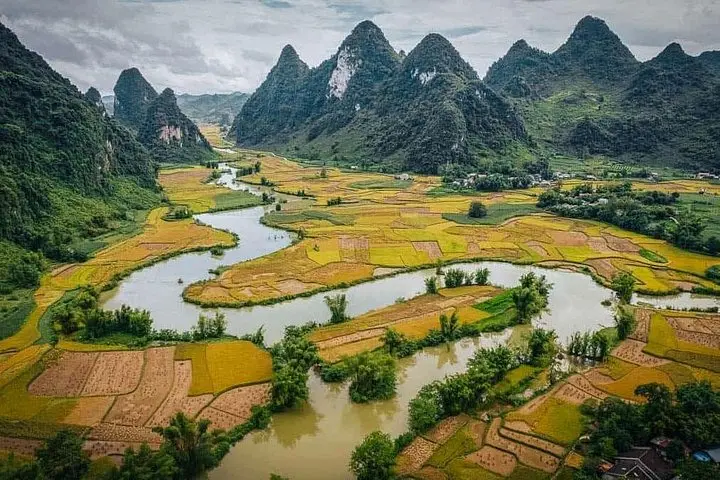
Dawn on the road to Cao Bang feels like waking inside a living map: limestone peaks push through low clouds, rivers cut quick silver lines between terraces, and the sleeper bus sighs into a town that still measures time by sunrise.
Verified experiences and guided adventures in the surrounding area.
Operated by Asia Group Tour · Cao Bang, Cao Bang Province
Dawn on the road to Cao Bang feels like waking inside a living map: limestone peaks push through low clouds, rivers cut quick silver lines between terraces, and the sleeper bus sighs into a town that still measures time by sunrise.
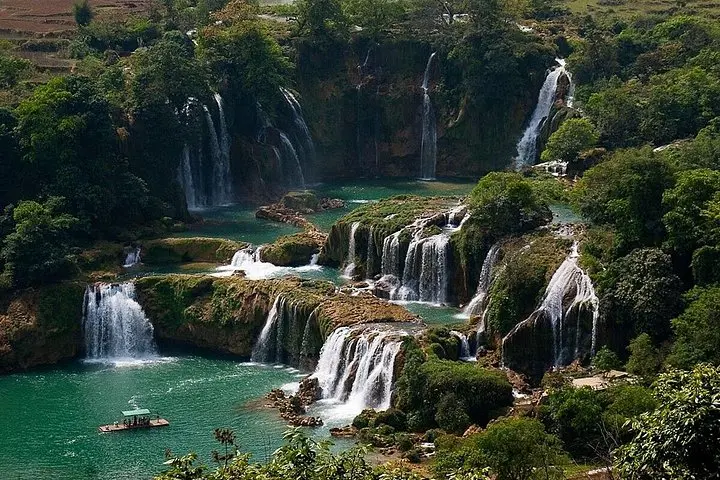
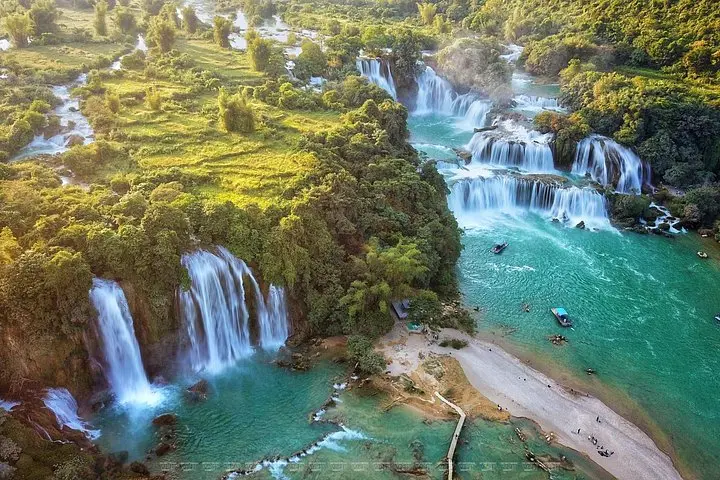
Over three days this guided loop links political history, karst geology and Tay and Nung village life. Walk short forest trails to Pác Bó, the remote cave where Hồ Chí Minh lived in 1941, then ride along switchback passes—Me Pia’s 14 bends opens views across jagged limestone ridgelines carved by ancient seas. Ban Gioc Waterfall arrives suddenly, a multi-tiered curtain where the Quây Sơn River dares you to stand close and feel the spray.
Nguom Ngao Cave reveals stalactites and columns shaped over millennia; Vinh Quy’s grass hill offers a calmer counterpoint, wide meadows under high sky. Homestays in Bao Lac and near Ban Gioc give direct cultural exchange—home-cooked food, local markets and early-morning rice terraces.
Practical side: expect long transfers by minivan and sleeper bus, short guided walks, and basic homestay accommodation. Pack a lightweight rain jacket, sturdy shoes with grip for wet limestone surfaces, and a refillable water bottle. Mornings are best for photos and cooler weather; afternoons can bring rain during summer months. This itinerary suits travelers comfortable with modest travel fatigue and eager for a mix of history, geology and living culture rather than high-altitude trekking.
The tour is rated easy—most travel is by vehicle with short walks to viewpoints, caves and waterfalls; basic mobility is sufficient.
Two nights are in homestays or basic hotels offering local meals; facilities are simple but clean and culturally immersive.
Children are allowed but must be supervised; long transfers and uneven terrain at some sites may be tiring for young kids.
A valid passport is required; international travelers should confirm Vietnam visa requirements before booking.
Asia Group Tour operates guided outdoor trips and adventures with an emphasis on safety, stewardship, and memorable experiences.

Dawn on the road to Cao Bang feels like waking inside a living map: limestone peaks push through low clouds, rivers cut quick silver lines between terraces, and the sleeper bus sighs into a town that still measures time by sunrise.
Dawn on the road to Cao Bang feels like waking inside a living map: limestone peaks push through low clouds, rivers cut quick silver lines between terraces, and the sleeper bus sighs into a town that still measures time by sunrise.
Over three days this guided loop links political history, karst geology and Tay and Nung village life. Walk short forest trails to Pác Bó, the remote cave where Hồ Chí Minh lived in 1941, then ride along switchback passes—Me Pia’s 14 bends opens views across jagged limestone ridgelines carved by ancient seas. Ban Gioc Waterfall arrives suddenly, a multi-tiered curtain where the Quây Sơn River dares you to stand close and feel the spray.
Nguom Ngao Cave reveals stalactites and columns shaped over millennia; Vinh Quy’s grass hill offers a calmer counterpoint, wide meadows under high sky. Homestays in Bao Lac and near Ban Gioc give direct cultural exchange—home-cooked food, local markets and early-morning rice terraces.
Practical side: expect long transfers by minivan and sleeper bus, short guided walks, and basic homestay accommodation. Pack a lightweight rain jacket, sturdy shoes with grip for wet limestone surfaces, and a refillable water bottle. Mornings are best for photos and cooler weather; afternoons can bring rain during summer months. This itinerary suits travelers comfortable with modest travel fatigue and eager for a mix of history, geology and living culture rather than high-altitude trekking.