THE ADVENTURE COLLECTIVE® · Independent discovery and booking for outdoor travel

Three days of karst peaks, historic Pac Bo, and the thunderous Ban Gioc waterfall—this small-group odyssey blends Vietnam’s revolutionary history with wide rivers and limestone panoramas. Expect long drives, short hikes, cave passages and a homestay night for a close-to-country experience.
Three days of karst peaks, historic Pac Bo, and the thunderous Ban Gioc waterfall—this small-group odyssey blends Vietnam’s revolutionary history with wide rivers and limestone panoramas. Expect long drives, short hikes, cave passages and a homestay night for a close-to-country experience.
You step off the long-haul limousine into a cool Cao Bang morning where mist lifts from limestone ridges and the road untangles into narrow valley lanes.
Verified experiences and guided adventures in the surrounding area.
Operated by Authentic NINH BINH · Cao Bang City, Cao Bang
You step off the long-haul limousine into a cool Cao Bang morning where mist lifts from limestone ridges and the road untangles into narrow valley lanes.
By day one the tour threads through Pac Bo — the clear Lenin Stream and Coc Bo Cave where Ho Chi Minh sheltered — and the landscape begins to speak in slow, geological sentences: karst towers, river-cut gorges and grassland bowls that open like lungs.
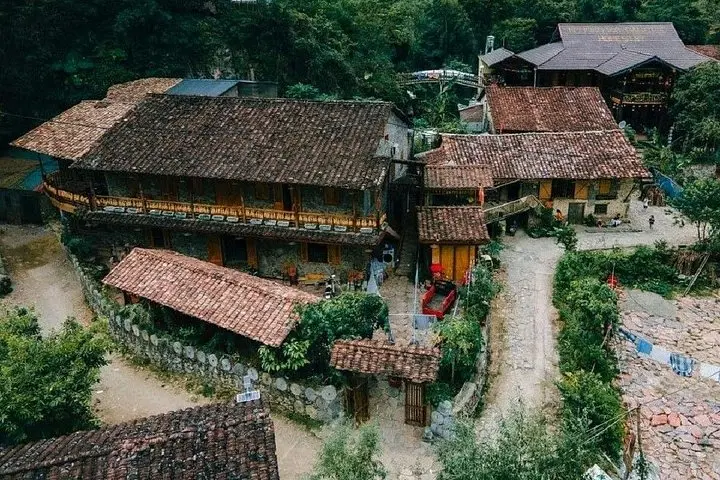
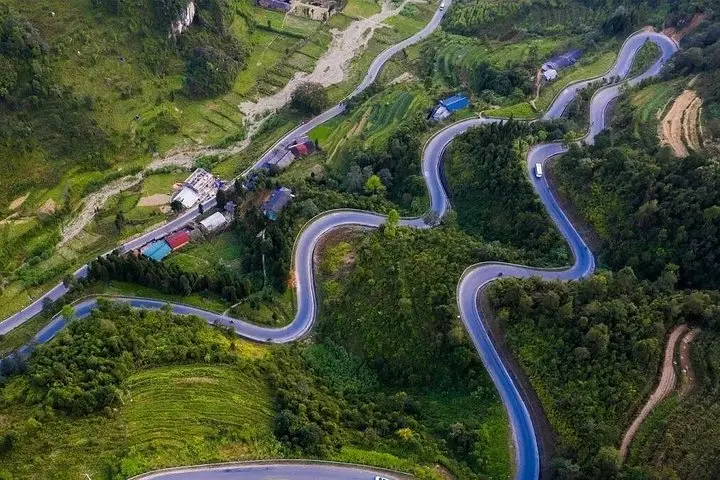
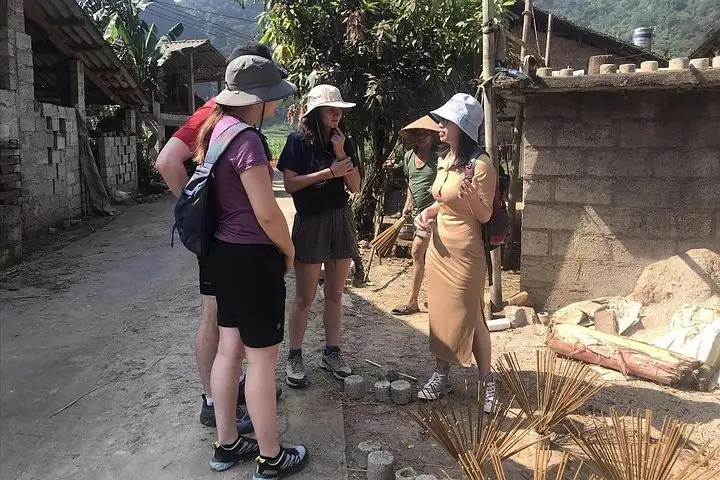
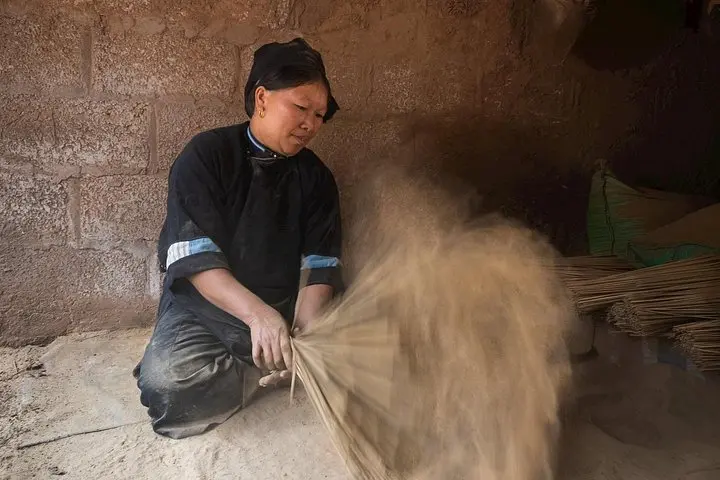
On day two, Ma Phuc Pass curves for roughly 3–4 km of switchbacks; Angel Eye Mountain displays its circular erosion “eye”; Phia Thap incense makers shape aromatic traditions by hand. Each site frames human history against slow rock work and centuries of ethnic minority life, especially Tay and H’mong villages dotting Phong Nặm valley.
Day three centers on Động Ngườm Ngao’s 2 km of caverns and the multi-tiered Bản Giốc (Ban Gioc) falls — a broad cascade that dares you closer with spray and thunder, fed by the Quây Sơn river that skirts the China border.
Practical notes: expect long road sections (Hanoi–Cao Bang ~6–7 hours each way), short guided walks (0.5–2 km) and steps at falls and caves. Accommodation mixes one hotel and one village homestay; pack a light rain shell, good footwear and modest clothing for temple visits.
The route is accessible to most fitness levels but involves uneven ground and stairs. Travel off-peak for quieter visits; bring local currency for small purchases at villages. The trip pairs natural spectacle with cultural context — geology that moves, rivers that insist, and people who keep old ways running beside modern roads.
Plan for roughly 6–7 hours each way on a limousine bus with one or two rest stops en route.
Yes—most activities are low-impact, but caves and waterfall access include stairs and uneven surfaces; check mobility concerns with the operator.
The tour stays on the Vietnamese side of the border near China; visas depend on your nationality—arrange before travel if required.
An English-speaking guide is included; confirm if you need another language in advance.
Authentic NINH BINH operates guided outdoor trips and adventures with an emphasis on safety, stewardship, and memorable experiences.
You step off the long-haul limousine into a cool Cao Bang morning where mist lifts from limestone ridges and the road untangles into narrow valley lanes.
You step off the long-haul limousine into a cool Cao Bang morning where mist lifts from limestone ridges and the road untangles into narrow valley lanes.
By day one the tour threads through Pac Bo — the clear Lenin Stream and Coc Bo Cave where Ho Chi Minh sheltered — and the landscape begins to speak in slow, geological sentences: karst towers, river-cut gorges and grassland bowls that open like lungs.
On day two, Ma Phuc Pass curves for roughly 3–4 km of switchbacks; Angel Eye Mountain displays its circular erosion “eye”; Phia Thap incense makers shape aromatic traditions by hand. Each site frames human history against slow rock work and centuries of ethnic minority life, especially Tay and H’mong villages dotting Phong Nặm valley.
Day three centers on Động Ngườm Ngao’s 2 km of caverns and the multi-tiered Bản Giốc (Ban Gioc) falls — a broad cascade that dares you closer with spray and thunder, fed by the Quây Sơn river that skirts the China border.
Practical notes: expect long road sections (Hanoi–Cao Bang ~6–7 hours each way), short guided walks (0.5–2 km) and steps at falls and caves. Accommodation mixes one hotel and one village homestay; pack a light rain shell, good footwear and modest clothing for temple visits.
The route is accessible to most fitness levels but involves uneven ground and stairs. Travel off-peak for quieter visits; bring local currency for small purchases at villages. The trip pairs natural spectacle with cultural context — geology that moves, rivers that insist, and people who keep old ways running beside modern roads.