THE ADVENTURE COLLECTIVE® · Independent discovery and booking for outdoor travel

Follow winding mountain passes from Hanoi to the roar of Ban Gioc and the calm of Ba Be Lake on this private 4-day journey. Expect limestone cliffs, cave chambers, stilt-house homestays, and long but scenic road travel through Cao Bang.
Follow winding mountain passes from Hanoi to the roar of Ban Gioc and the calm of Ba Be Lake on this private 4-day journey. Expect limestone cliffs, cave chambers, stilt-house homestays, and long but scenic road travel through Cao Bang.
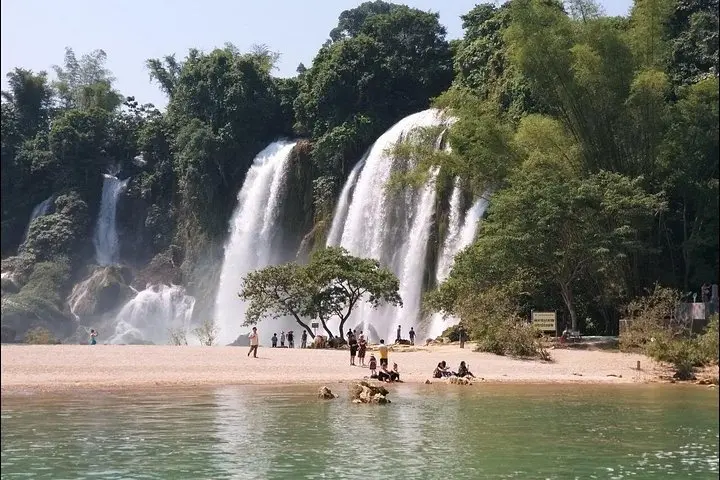
When the road climbs out of lowland rice and drops into limestone gorges, the first glimpse of Ban Gioc's white curtains of water hits like a warning—this landscape will demand your attention.
Verified experiences and guided adventures in the surrounding area.
Operated by Authentic HALONG · Cao Bang, Cao Bang Province
When the road climbs out of lowland rice and drops into limestone gorges, the first glimpse of Ban Gioc's white curtains of water hits like a warning—this landscape will demand your attention.
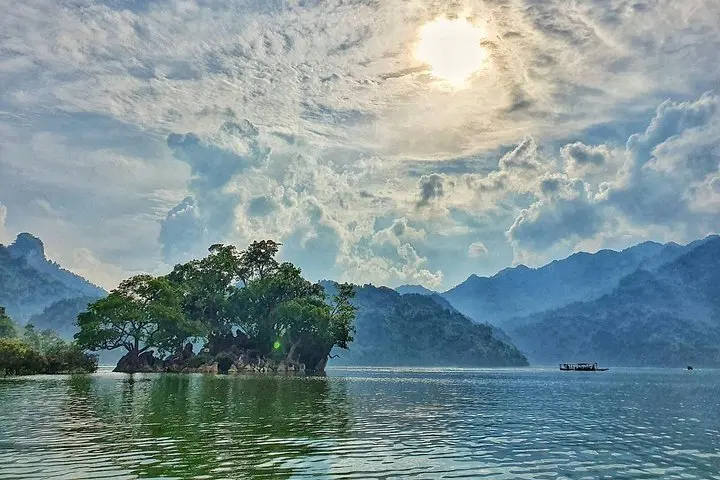
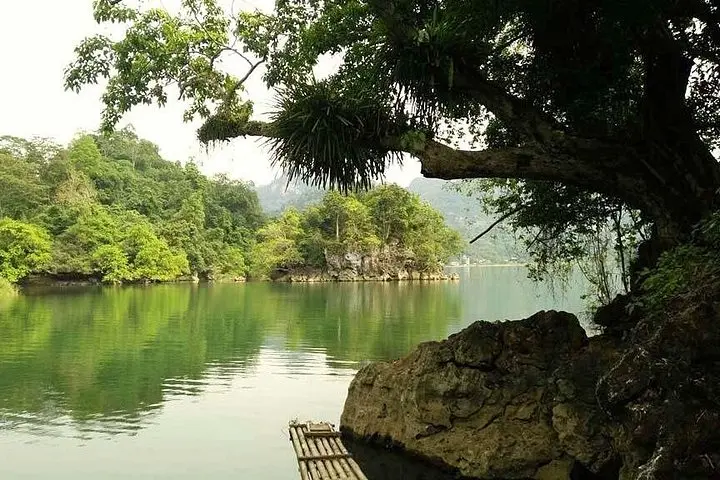
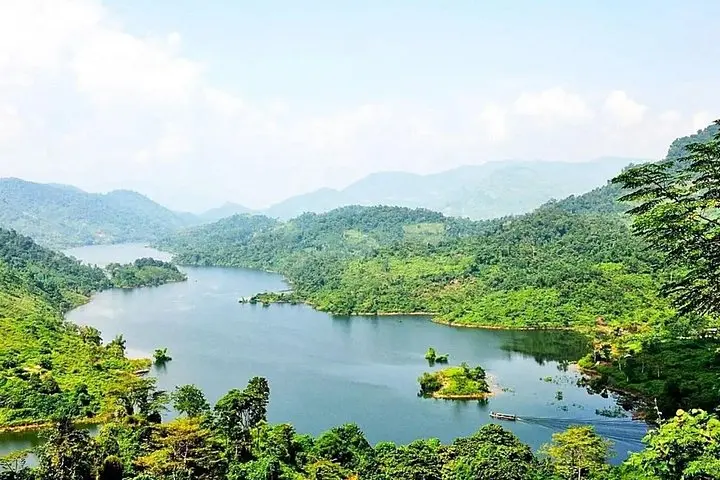
Over four days you'll move from the revolutionary calm of Pác Bó stream to the thunder of Bản Giốc (Ban Gioc) and the mirror-flat quiet of Ba Be Lake. Geology leads the story: millennia of karst weathering have carved cliffs, caves like Ngườm Ngao, and winding passes such as Ma Phuc. Pac Bo preserves a different layer of history—Ho Chi Minh’s early base—where Lenin Stream and Coc Bo Cave sit beside sites of national memory.
Culture is present in everyday details: Tay and Nùng homestays on stilts, handmade incense in Phia Thap, and simple meals served family-style. Rivers cut the border with China here; Quây Sơn and the tiered falls feel simultaneously remote and intimately lived-in.
Practical guidance: expect long driving days (Hanoi–Cao Bang roughly 6–7 hours), narrow mountain roads, and basic homestay facilities. Trails around waterfalls and caves are uneven and can be wet; a good pair of waterproof shoes and a lightweight rain shell will pay off. Carry cash—ATMs are limited—and plan for mobile signal gaps. Boat trips on Ba Be are optional and paid locally; if you choose trekking, allow time for steep village paths and low-elevation forest. Travel with respect for local customs and minimize waste to protect these fragile karst systems.
Expect roughly 6–7 hours by road depending on traffic and stops; the itinerary includes scheduled breaks en route.
Homestays are basic but clean, often stilt houses with shared facilities and family meals—comfortable for travelers prepared for modest amenities.
Boat trips are typically optional and paid locally; the tour offers either trekking to villages or a boat option on day four.
No special permits are required for standard tourist visits, but carry your passport; border proximity means authorities may request ID at checkpoints.
Authentic HALONG operates guided outdoor trips and adventures with an emphasis on safety, stewardship, and memorable experiences.
When the road climbs out of lowland rice and drops into limestone gorges, the first glimpse of Ban Gioc's white curtains of water hits like a warning—this landscape will demand your attention.
When the road climbs out of lowland rice and drops into limestone gorges, the first glimpse of Ban Gioc's white curtains of water hits like a warning—this landscape will demand your attention.
Over four days you'll move from the revolutionary calm of Pác Bó stream to the thunder of Bản Giốc (Ban Gioc) and the mirror-flat quiet of Ba Be Lake. Geology leads the story: millennia of karst weathering have carved cliffs, caves like Ngườm Ngao, and winding passes such as Ma Phuc. Pac Bo preserves a different layer of history—Ho Chi Minh’s early base—where Lenin Stream and Coc Bo Cave sit beside sites of national memory.
Culture is present in everyday details: Tay and Nùng homestays on stilts, handmade incense in Phia Thap, and simple meals served family-style. Rivers cut the border with China here; Quây Sơn and the tiered falls feel simultaneously remote and intimately lived-in.
Practical guidance: expect long driving days (Hanoi–Cao Bang roughly 6–7 hours), narrow mountain roads, and basic homestay facilities. Trails around waterfalls and caves are uneven and can be wet; a good pair of waterproof shoes and a lightweight rain shell will pay off. Carry cash—ATMs are limited—and plan for mobile signal gaps. Boat trips on Ba Be are optional and paid locally; if you choose trekking, allow time for steep village paths and low-elevation forest. Travel with respect for local customs and minimize waste to protect these fragile karst systems.