THE ADVENTURE COLLECTIVE® · Independent discovery and booking for outdoor travel

Visit the official southern tip of Africa on a private day tour from Cape Town. See the historic Cape Agulhas Lighthouse, watch where two oceans meet, and add seasonal whale watching from Hermanus.
Visit the official southern tip of Africa on a private day tour from Cape Town. See the historic Cape Agulhas Lighthouse, watch where two oceans meet, and add seasonal whale watching from Hermanus.
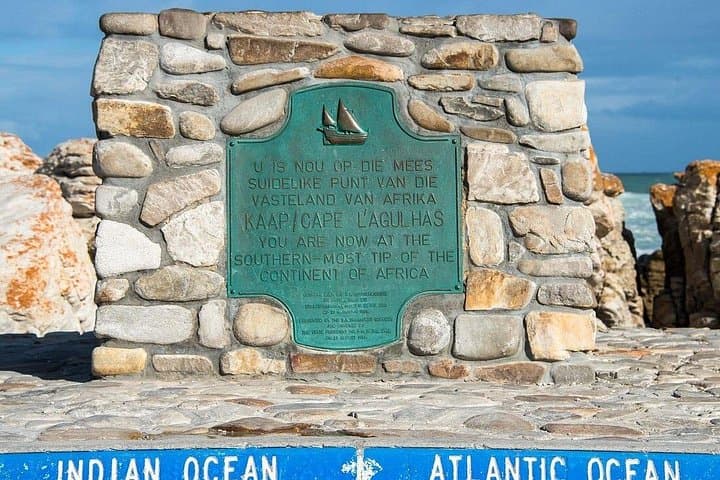
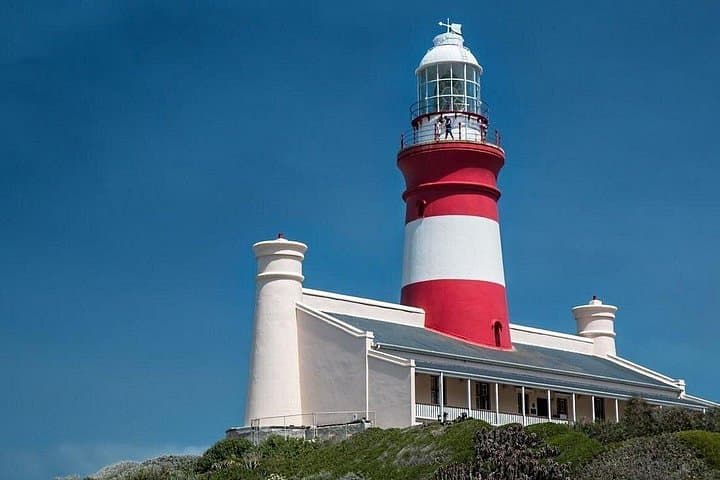
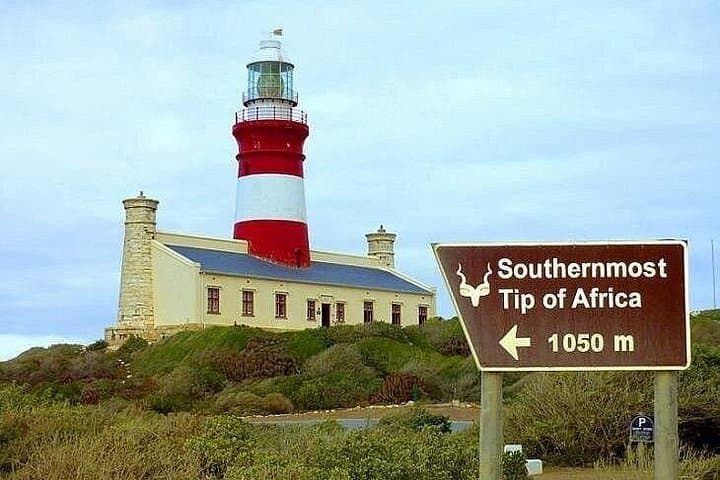
A low morning sun cuts across a flat, wind-sanded plain as the road bends toward the southern tip of Africa. On a private day tour from Cape Town, travelers step out where maps stop: at Cape Agulhas, the official meeting point of the Indian and Atlantic Oceans. The lighthouse, built in the mid-19th century, keeps watch over ragged shoals and shipwreck-strewn shores while winds push salt and stories inland.
Verified experiences and guided adventures in the surrounding area.
Operated by A2Z Travel and Tours · L'Agulhas, Western Cape
A low morning sun cuts across a flat, wind-sanded plain as the road bends toward the southern tip of Africa. On a private day tour from Cape Town, travelers step out where maps stop: at Cape Agulhas, the official meeting point of the Indian and Atlantic Oceans. The lighthouse, built in the mid-19th century, keeps watch over ragged shoals and shipwreck-strewn shores while winds push salt and stories inland.
Geology here is blunt and honest: eroded sandstones and ancient coastal plains mark the continent’s end, while submerged reefs have shaped a dangerous coastline long feared by mariners. Cultural threads run from early seafarers to local fishing villages; small museums and the topographic map installation near the lighthouse explain the maritime history and the reasons a light was needed since 1848.
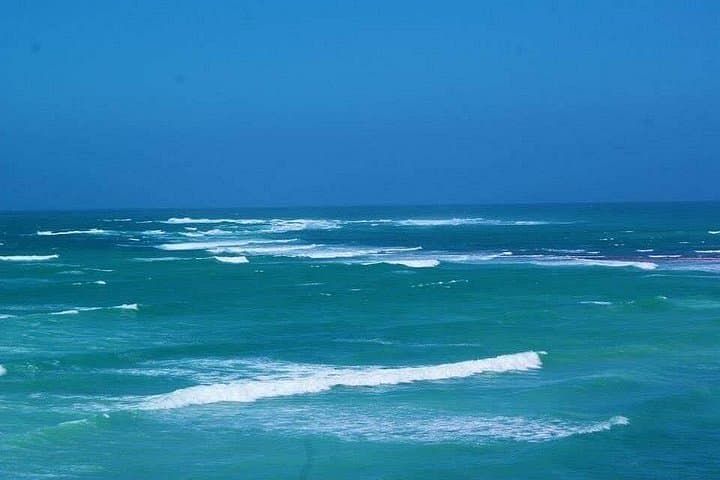
Visitors can time the drive to include seasonal whale sightings off Hermanus or take a quieter walk along Struisbaai’s broad beach. Oceans here seem to test each other — tides and currents racing and backing where the two great bodies meet.
Practicalities are straightforward: expect a full-day outing (roughly eight hours) with hotel pickup and drop-off, mostly easy walking on mixed paved and sandy surfaces. Bring a windproof layer, sun protection, and a reusable water bottle. Photography is best in morning or late afternoon when the light skims the low horizon and the lighthouse casts long shadows. Respect marked paths, give shorebirds space, and check whale season windows if that’s a priority — the trip is equally rewarding for geology and coastal culture even outside the peak marine months.
Yes — Cape Agulhas marks the southernmost point of the African continent and is the official place where the Indian and Atlantic Oceans meet on maps.
Ocean currents and waters converge in this region; while there isn’t a visible line, differing currents and marine conditions are present where the two oceans interact.
The tour runs about eight hours including hotel pickup and drop-off, with several stops at viewpoints, the lighthouse, and optional time in Hermanus for whale watching in season.
No — land-based whale watching is seasonal (best June–November) and depends on animal presence and weather; the tour offers good vantage points but sightings can’t be guaranteed.
A2Z Travel and Tours operates guided outdoor trips and adventures with an emphasis on safety, stewardship, and memorable experiences.
A low morning sun cuts across a flat, wind-sanded plain as the road bends toward the southern tip of Africa. On a private day tour from Cape Town, travelers step out where maps stop: at Cape Agulhas, the official meeting point of the Indian and Atlantic Oceans. The lighthouse, built in the mid-19th century, keeps watch over ragged shoals and shipwreck-strewn shores while winds push salt and stories inland.
A low morning sun cuts across a flat, wind-sanded plain as the road bends toward the southern tip of Africa. On a private day tour from Cape Town, travelers step out where maps stop: at Cape Agulhas, the official meeting point of the Indian and Atlantic Oceans. The lighthouse, built in the mid-19th century, keeps watch over ragged shoals and shipwreck-strewn shores while winds push salt and stories inland.
Geology here is blunt and honest: eroded sandstones and ancient coastal plains mark the continent’s end, while submerged reefs have shaped a dangerous coastline long feared by mariners. Cultural threads run from early seafarers to local fishing villages; small museums and the topographic map installation near the lighthouse explain the maritime history and the reasons a light was needed since 1848.
Visitors can time the drive to include seasonal whale sightings off Hermanus or take a quieter walk along Struisbaai’s broad beach. Oceans here seem to test each other — tides and currents racing and backing where the two great bodies meet.
Practicalities are straightforward: expect a full-day outing (roughly eight hours) with hotel pickup and drop-off, mostly easy walking on mixed paved and sandy surfaces. Bring a windproof layer, sun protection, and a reusable water bottle. Photography is best in morning or late afternoon when the light skims the low horizon and the lighthouse casts long shadows. Respect marked paths, give shorebirds space, and check whale season windows if that’s a priority — the trip is equally rewarding for geology and coastal culture even outside the peak marine months.