THE ADVENTURE COLLECTIVE® · Independent discovery and booking for outdoor travel

Stand at Africa’s southernmost edge where two oceans collide. This full-day tour from Cape Town combines rugged coastline, an historic lighthouse, shipwreck sites and optional whale watching stops.
Stand at Africa’s southernmost edge where two oceans collide. This full-day tour from Cape Town combines rugged coastline, an historic lighthouse, shipwreck sites and optional whale watching stops.
A wind-scoured promontory opens before you: low, scrubby fynbos rolling to a battered lighthouse, waves from two oceans colliding in a ragged line of white foam. The air tastes of salt and cold; gulls wheel and the light can change in ten minutes. This is Cape Agulhas — the geographic southernmost tip of Africa — and the day tour from Cape Town drops you at the place where the Indian and Atlantic meet.
Verified experiences and guided adventures in the surrounding area.
Operated by Glorious Cape Tours · Cape Agulhas, Western Cape
A wind-scoured promontory opens before you: low, scrubby fynbos rolling to a battered lighthouse, waves from two oceans colliding in a ragged line of white foam. The air tastes of salt and cold; gulls wheel and the light can change in ten minutes. This is Cape Agulhas — the geographic southernmost tip of Africa — and the day tour from Cape Town drops you at the place where the Indian and Atlantic meet.
Geology here is blunt and honest: folded Cape Fold Belt rock and sanded granite meet the Agulhas Bank, producing strong currents and a coastline speckled with 19th-century shipwrecks. The Cape Agulhas Lighthouse, standing since the mid-19th century, marks a history of navigation, trade and maritime hazard that shaped coastal settlements like Bredasdorp and Struisbaai. Local culture leans small-town and maritime — fishing harbors, mission-station villages like Elim, and towns that grew around sea and farm.
Practical guidance: expect a long but accessible day — 8–9 hours including driving, short walks along rocks and boardwalks. Wear windproof layers and sturdy shoes; tides and waves can be unpredictable so keep a safe distance from the water. If traveling July–November, consider a whale-watching stop at Hermanus; summer brings calmer seas but stronger sun. Bring water, a charged phone, and binoculars for seabirds and dolphins. The tour often includes pickup and drop-off in Cape Town and bottled water; plan for photography stops and brief walks rather than long hikes.
Cape Agulhas is less about strenuous trail mileage and more about raw coastal presence: currents that feel like they have minds of their own, lighthouses that have seen too many storms, and a quiet sense of being at a continental edge.
The tour is typically 8–9 hours door-to-door, including driving time and stops at viewpoints and the lighthouse.
Yes — whale season is generally July to November; tours often include an optional stop at Hermanus for shore-based whale watching.
No — walking is light: short walks on uneven rocky shorelines and the lighthouse area; accessible for most fitness levels.
Bottled water is commonly provided; meals are not usually included so bring snacks or plan to buy food in towns en route.
Glorious Cape Tours operates guided outdoor trips and adventures with an emphasis on safety, stewardship, and memorable experiences.
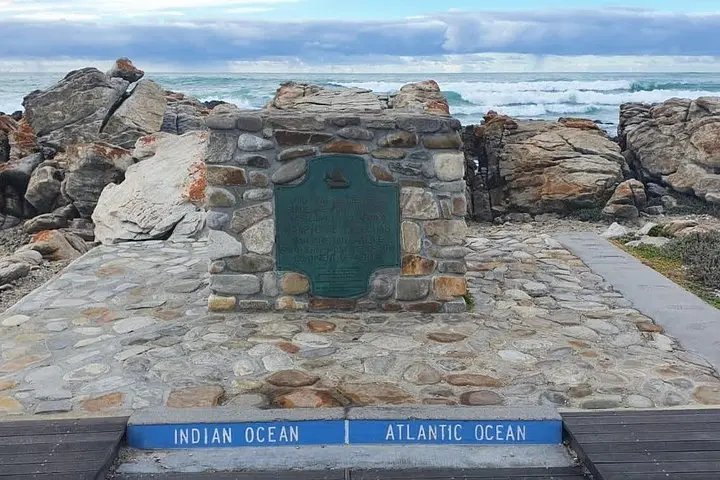
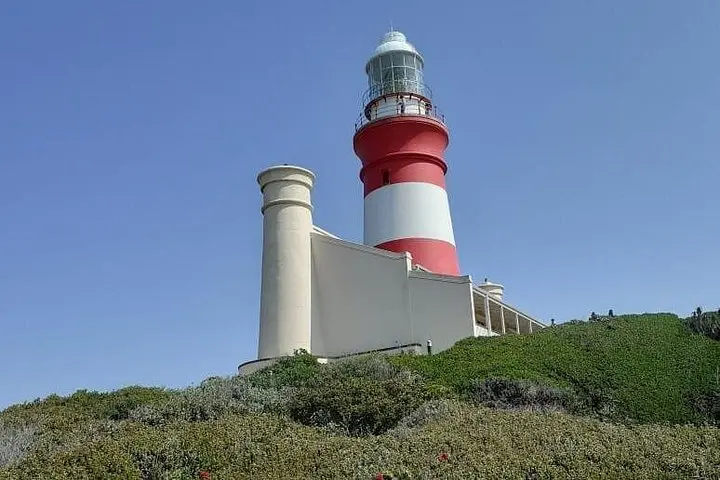
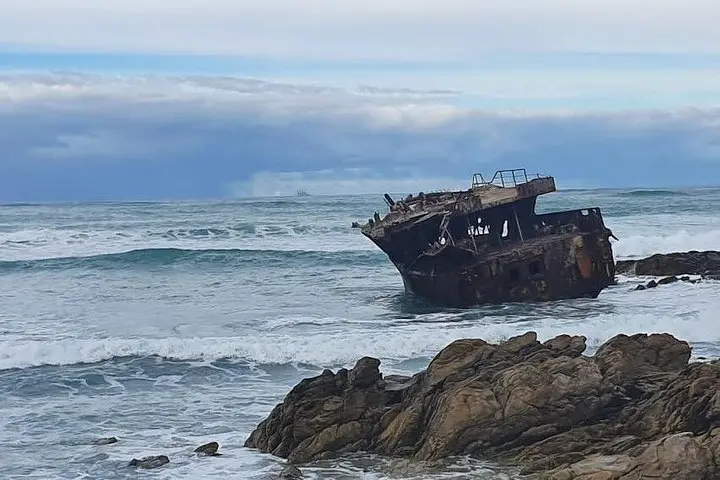
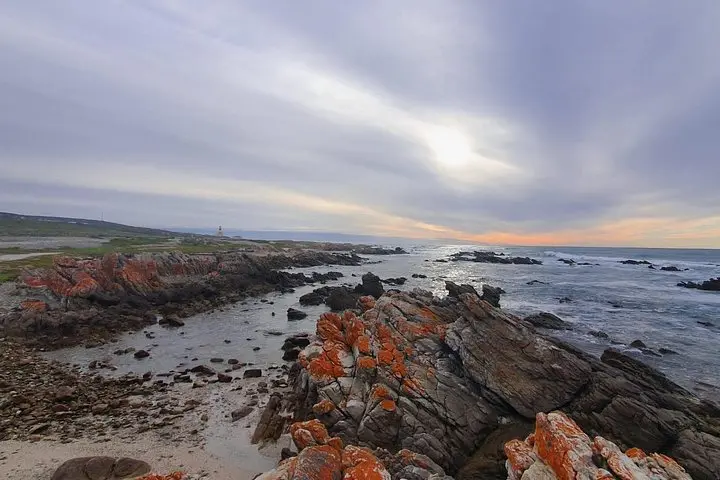
A wind-scoured promontory opens before you: low, scrubby fynbos rolling to a battered lighthouse, waves from two oceans colliding in a ragged line of white foam. The air tastes of salt and cold; gulls wheel and the light can change in ten minutes. This is Cape Agulhas — the geographic southernmost tip of Africa — and the day tour from Cape Town drops you at the place where the Indian and Atlantic meet.
A wind-scoured promontory opens before you: low, scrubby fynbos rolling to a battered lighthouse, waves from two oceans colliding in a ragged line of white foam. The air tastes of salt and cold; gulls wheel and the light can change in ten minutes. This is Cape Agulhas — the geographic southernmost tip of Africa — and the day tour from Cape Town drops you at the place where the Indian and Atlantic meet.
Geology here is blunt and honest: folded Cape Fold Belt rock and sanded granite meet the Agulhas Bank, producing strong currents and a coastline speckled with 19th-century shipwrecks. The Cape Agulhas Lighthouse, standing since the mid-19th century, marks a history of navigation, trade and maritime hazard that shaped coastal settlements like Bredasdorp and Struisbaai. Local culture leans small-town and maritime — fishing harbors, mission-station villages like Elim, and towns that grew around sea and farm.
Practical guidance: expect a long but accessible day — 8–9 hours including driving, short walks along rocks and boardwalks. Wear windproof layers and sturdy shoes; tides and waves can be unpredictable so keep a safe distance from the water. If traveling July–November, consider a whale-watching stop at Hermanus; summer brings calmer seas but stronger sun. Bring water, a charged phone, and binoculars for seabirds and dolphins. The tour often includes pickup and drop-off in Cape Town and bottled water; plan for photography stops and brief walks rather than long hikes.
Cape Agulhas is less about strenuous trail mileage and more about raw coastal presence: currents that feel like they have minds of their own, lighthouses that have seen too many storms, and a quiet sense of being at a continental edge.