THE ADVENTURE COLLECTIVE® · Independent discovery and booking for outdoor travel

Walk 500 metres on Bundjalung Country at Cape Byron with an Indigenous guide who shares coastal stories, bush food and cultural practice. Expect ocean views, wildlife sightings and a tasting of bush tucker on this accessible 90-minute tour.
Walk 500 metres on Bundjalung Country at Cape Byron with an Indigenous guide who shares coastal stories, bush food and cultural practice. Expect ocean views, wildlife sightings and a tasting of bush tucker on this accessible 90-minute tour.
A salt breeze lifts the scent of eucalyptus as you step away from the car park and onto a short coast-side trail—sea cliffs on one side, pocketed coastal rainforest on the other. The guide sets the pace, voice tuned to place, pointing out middens worn smooth by generations and rock outcrops where ocean meets story.
Verified experiences and guided adventures in the surrounding area.
Operated by Explore Byron Bay · Byron Bay, New South Wales
A salt breeze lifts the scent of eucalyptus as you step away from the car park and onto a short coast-side trail—sea cliffs on one side, pocketed coastal rainforest on the other. The guide sets the pace, voice tuned to place, pointing out middens worn smooth by generations and rock outcrops where ocean meets story.
This is Bundjalung Country. The Cape Byron headland, formed by ancient sedimentary rocks and coastal uplift, has been a focal point for local people for thousands of years. On a 500-metre return walk you’ll hear the story of Nguthungalli (Julian Rocks), learn Bundjalung words and see the layers of cultural practice in tools, fire-stick farming, and shell middens that mark a deep relationship with sea and forest.
Wildlife often appears—dolphins riding offshore currents, wallabies pausing in shadowed scrub, fairy wrens flitting through tea-tree. The guide will explain traditional bush foods and natural medicines, then invite you to taste bush tucker paired with bush tea and a biscuit—simple, direct ways to connect oral history to landscape.
Practical notes: the walk is short and rated easy but includes rocky steps and exposed sun. Wear closed-toe shoes, bring water, sun protection and a light layer for coastal wind. Tours depart from The Pass (parking is paid and can fill quickly), run about 90 minutes and are accessible to many mobility levels. Respect cultural protocols, ask before photographing ceremonial items, and leave no trace—these places are living histories, not just viewpoints.
The tour is about 500 metres return and runs 90 minutes total; it’s rated easy but includes some uneven surfaces and short steps.
Meet directly in front of The Pass Cafe, 1 Brooke Drive, Byron Bay; parking is paid and can be limited—plan extra time to find a spot.
The operator notes wheelchair accessibility for most areas; contact the provider in advance to confirm specific needs and vehicle access.
Inform the operator of allergies or dietary restrictions at booking; tastings are simple and can often be adjusted or omitted.
Explore Byron Bay operates guided outdoor trips and adventures with an emphasis on safety, stewardship, and memorable experiences.

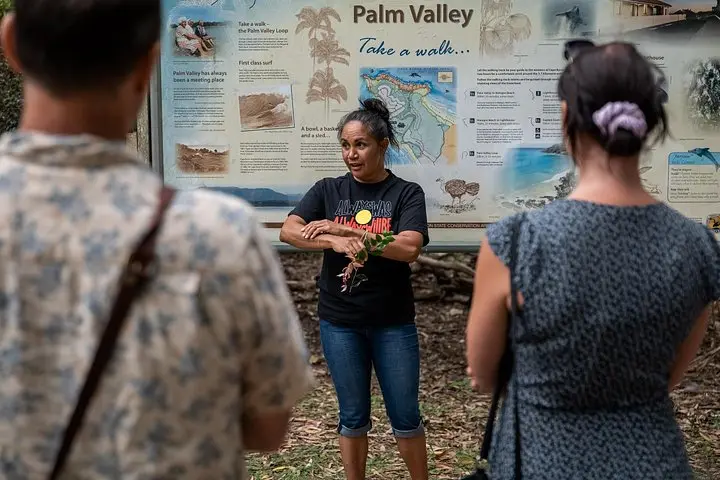
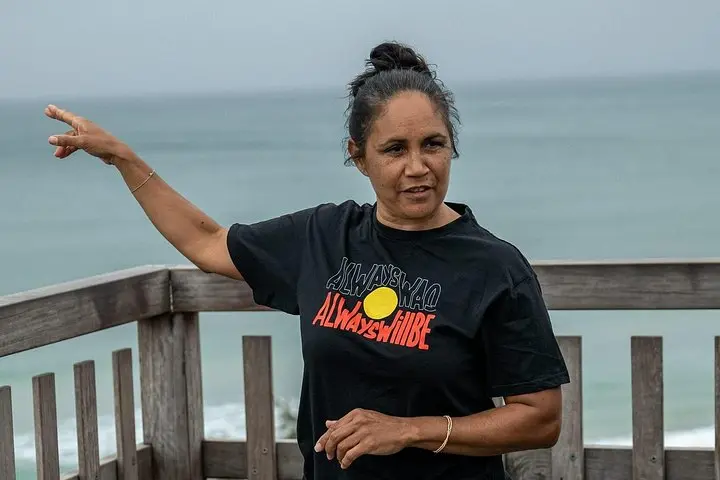
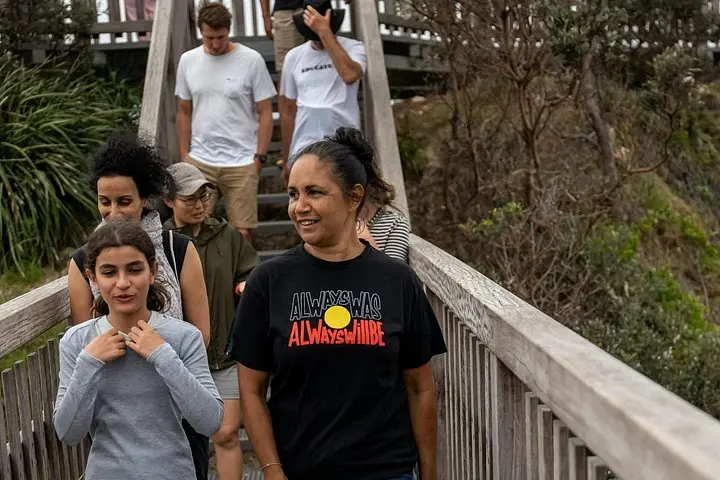
A salt breeze lifts the scent of eucalyptus as you step away from the car park and onto a short coast-side trail—sea cliffs on one side, pocketed coastal rainforest on the other. The guide sets the pace, voice tuned to place, pointing out middens worn smooth by generations and rock outcrops where ocean meets story.
A salt breeze lifts the scent of eucalyptus as you step away from the car park and onto a short coast-side trail—sea cliffs on one side, pocketed coastal rainforest on the other. The guide sets the pace, voice tuned to place, pointing out middens worn smooth by generations and rock outcrops where ocean meets story.
This is Bundjalung Country. The Cape Byron headland, formed by ancient sedimentary rocks and coastal uplift, has been a focal point for local people for thousands of years. On a 500-metre return walk you’ll hear the story of Nguthungalli (Julian Rocks), learn Bundjalung words and see the layers of cultural practice in tools, fire-stick farming, and shell middens that mark a deep relationship with sea and forest.
Wildlife often appears—dolphins riding offshore currents, wallabies pausing in shadowed scrub, fairy wrens flitting through tea-tree. The guide will explain traditional bush foods and natural medicines, then invite you to taste bush tucker paired with bush tea and a biscuit—simple, direct ways to connect oral history to landscape.
Practical notes: the walk is short and rated easy but includes rocky steps and exposed sun. Wear closed-toe shoes, bring water, sun protection and a light layer for coastal wind. Tours depart from The Pass (parking is paid and can fill quickly), run about 90 minutes and are accessible to many mobility levels. Respect cultural protocols, ask before photographing ceremonial items, and leave no trace—these places are living histories, not just viewpoints.