THE ADVENTURE COLLECTIVE® · Independent discovery and booking for outdoor travel

A full-day cultural tour from Accra that links Fort Amsterdam, Fort William and the sprawling dungeons of Cape Coast Castle. Expect coastal vistas, guided history at each fort and a sobering look at West Africa’s role in the trans‑Atlantic slave trade.
A full-day cultural tour from Accra that links Fort Amsterdam, Fort William and the sprawling dungeons of Cape Coast Castle. Expect coastal vistas, guided history at each fort and a sobering look at West Africa’s role in the trans‑Atlantic slave trade.
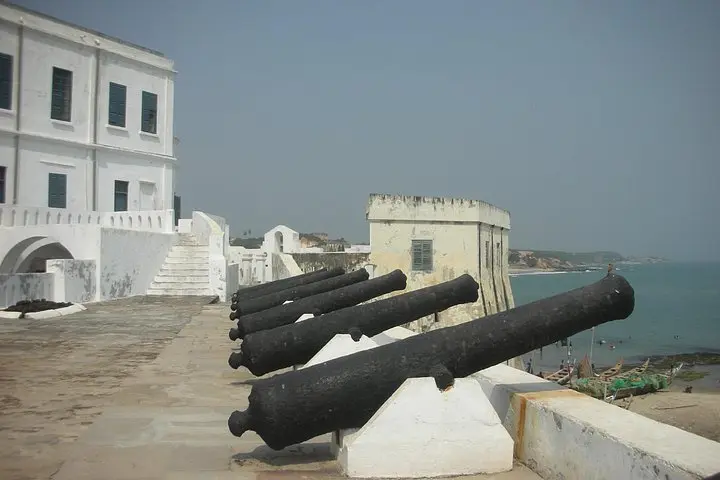
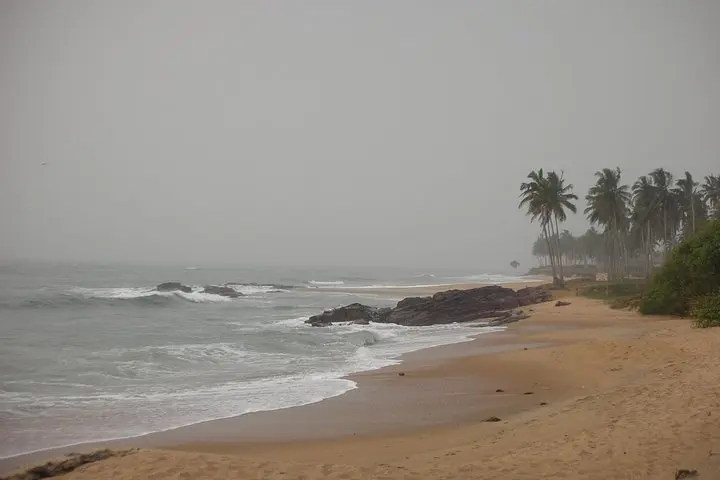
The ocean opens first: wind pushing salt across the road as the minibus slips south from Accra toward the Central Region. You arrive where the coast levels into broad beaches and iron-black fort walls that stare back at the Atlantic. Standing at the edge of Cape Coast Castle, you can feel the sea’s insistence — it carried ships away and brought a trade that reshaped continents.
Verified experiences and guided adventures in the surrounding area.
Operated by Pridor Plus Tours · Cape Coast, Central Region
The ocean opens first: wind pushing salt across the road as the minibus slips south from Accra toward the Central Region. You arrive where the coast levels into broad beaches and iron-black fort walls that stare back at the Atlantic. Standing at the edge of Cape Coast Castle, you can feel the sea’s insistence — it carried ships away and brought a trade that reshaped continents.
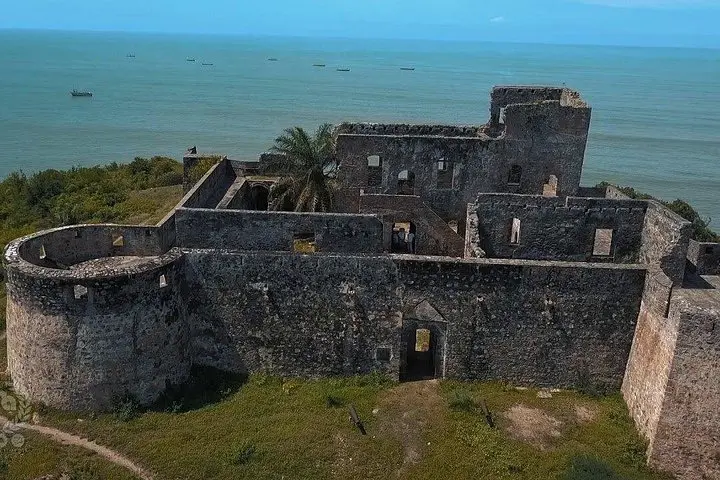
The route threads three military sites: Fort Amsterdam, a compact Dutch fort that played its part in regional commerce; Fort William, rebuilt under British control after earlier French occupation; and Cape Coast Castle, the largest and most infamous dungeon complex on Ghana’s coast. Geology here is simple but telling: weathered sandstones and coastal shales carved by surf that once guided sailing routes. The culture is local and contemporary — Fante fishing communities, Akan chieftaincy systems, and markets that still trade coconuts and smoked fish.
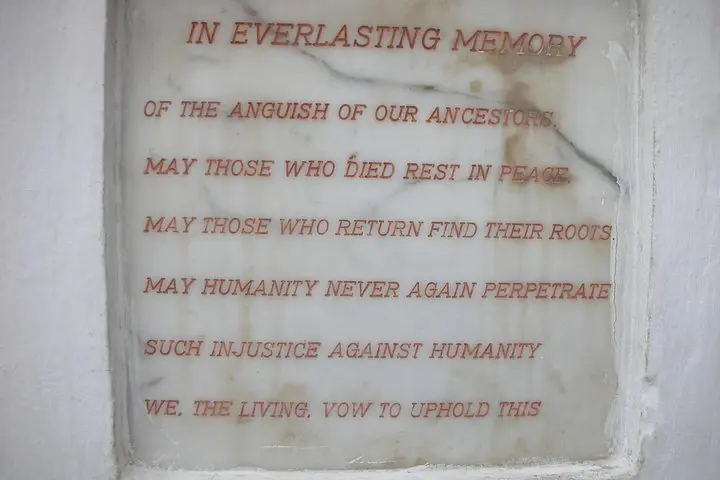
History is direct on this tour: guided explanations of dungeons, holding rooms and the logistics of the trans-Atlantic trade are sober and specific. Guides also connect those sites to diasporic histories, including stories of Maroon ancestors taken from these walls.
Practical details: expect a 10–12 hour day with moderate walking on uneven stone and coastal paths. The tour typically includes bottled water, an air-conditioned vehicle and onboard Wi‑Fi; admission to the listed forts is included. Wear closed-toe shoes, sun protection and bring cash for market stops and tips. Plan for humidity and possible afternoon showers; mornings are cooler and best for photography and quieter rooms.
Yes — the tour itinerary lists admission included for Fort Amsterdam, Fort William and Cape Coast Castle.
Most departures are from Accra hotels or a central pickup point in Accra; confirm your pickup location when booking.
It’s a full day with repeated walking and stairs inside the castle and forts; travelers should have a moderate fitness level.
The inclusions list bottled water and a vehicle with air conditioning and Wi‑Fi; meals are not specified so plan for a lunch stop or bring snacks.
Pridor Plus Tours operates guided outdoor trips and adventures with an emphasis on safety, stewardship, and memorable experiences.
The ocean opens first: wind pushing salt across the road as the minibus slips south from Accra toward the Central Region. You arrive where the coast levels into broad beaches and iron-black fort walls that stare back at the Atlantic. Standing at the edge of Cape Coast Castle, you can feel the sea’s insistence — it carried ships away and brought a trade that reshaped continents.
The ocean opens first: wind pushing salt across the road as the minibus slips south from Accra toward the Central Region. You arrive where the coast levels into broad beaches and iron-black fort walls that stare back at the Atlantic. Standing at the edge of Cape Coast Castle, you can feel the sea’s insistence — it carried ships away and brought a trade that reshaped continents.
The route threads three military sites: Fort Amsterdam, a compact Dutch fort that played its part in regional commerce; Fort William, rebuilt under British control after earlier French occupation; and Cape Coast Castle, the largest and most infamous dungeon complex on Ghana’s coast. Geology here is simple but telling: weathered sandstones and coastal shales carved by surf that once guided sailing routes. The culture is local and contemporary — Fante fishing communities, Akan chieftaincy systems, and markets that still trade coconuts and smoked fish.
History is direct on this tour: guided explanations of dungeons, holding rooms and the logistics of the trans-Atlantic trade are sober and specific. Guides also connect those sites to diasporic histories, including stories of Maroon ancestors taken from these walls.
Practical details: expect a 10–12 hour day with moderate walking on uneven stone and coastal paths. The tour typically includes bottled water, an air-conditioned vehicle and onboard Wi‑Fi; admission to the listed forts is included. Wear closed-toe shoes, sun protection and bring cash for market stops and tips. Plan for humidity and possible afternoon showers; mornings are cooler and best for photography and quieter rooms.