THE ADVENTURE COLLECTIVE® · Independent discovery and booking for outdoor travel

Walk the corridors of Cape Coast’s castles, see the Donkor Nsuo where captives took their last baths, and learn the layered colonial history of Ghana’s central coast on a guided full-day tour. Practical logistics and respectful guidance help you plan a thoughtful visit.
Walk the corridors of Cape Coast’s castles, see the Donkor Nsuo where captives took their last baths, and learn the layered colonial history of Ghana’s central coast on a guided full-day tour. Practical logistics and respectful guidance help you plan a thoughtful visit.
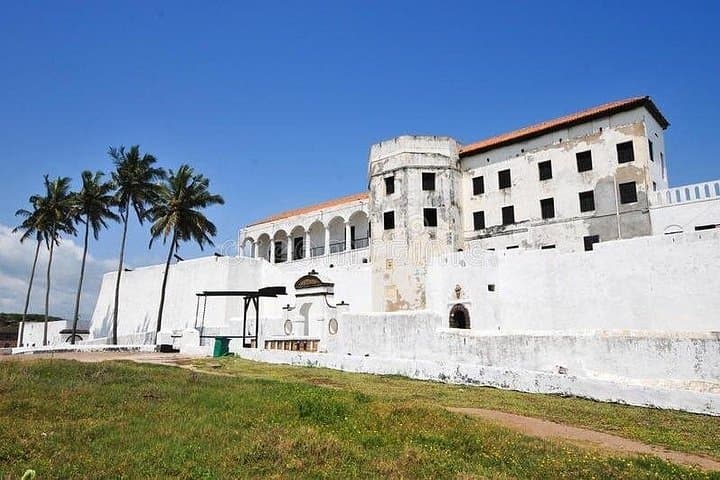
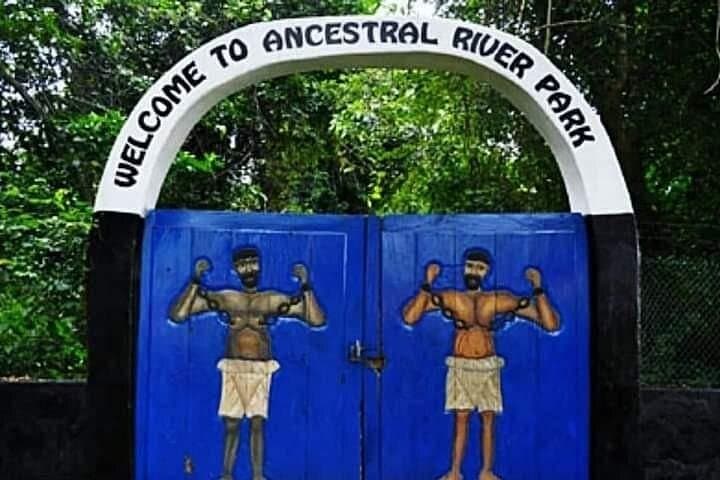
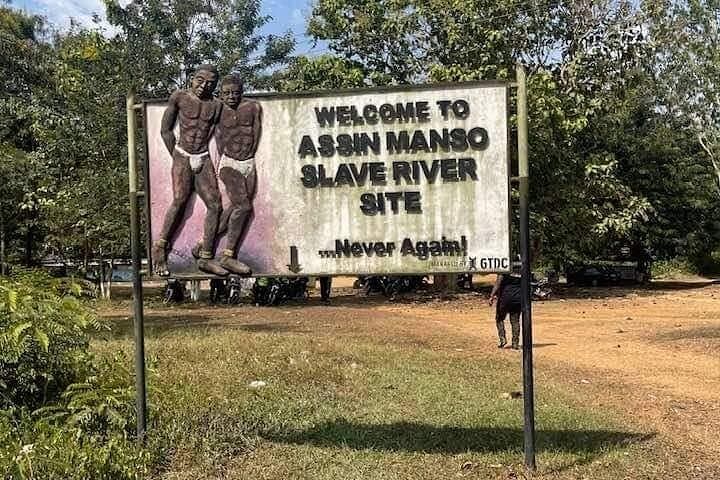
The Atlantic wind carries the faint clatter of fishing boats as a colonial fort rises from the shoreline — blackened stone, iron rings still sunk into the quay. Visitors step from an air-conditioned vehicle onto the clay road and enter rooms where light narrows into the narrow openings of the dungeons; outside, the Donkor Nsuo (the Slave River) curves toward the sea, the last freshwater many captives saw.
Verified experiences and guided adventures in the surrounding area.
Operated by Happy eagle tourism management · Cape Coast, Central Region
The Atlantic wind carries the faint clatter of fishing boats as a colonial fort rises from the shoreline — blackened stone, iron rings still sunk into the quay. Visitors step from an air-conditioned vehicle onto the clay road and enter rooms where light narrows into the narrow openings of the dungeons; outside, the Donkor Nsuo (the Slave River) curves toward the sea, the last freshwater many captives saw.
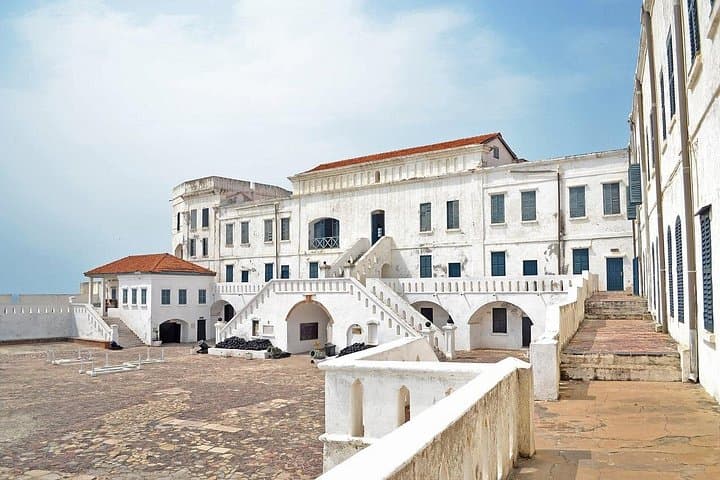
Cape Coast's castles were built into a rugged coastline of sandstone and laterite, hardened by centuries of surf and trade winds. From the 17th to 19th centuries these forts functioned as trading posts, chapels and warehouses for the slave trade — their wooden doors, iron hinges and cellars tell a blunt history. Contemporary Cape Coast blends that history with the rhythms of a university town (University of Cape Coast), coastal fishing villages and nearby rainforest fragments like Kakum.
On this full-day loop expect guided tours through the dungeons, explanatory exhibits, a walk to Donkor Nsuo, and a stop to view castle courtyards and museums; local guides often weave in Ga and Fante cultural notes and can arrange short drumming or dance demonstrations.
Practicalities: the day is long — roughly 10 hours with 2–3 hours of walking and many uneven stone steps. Wear closed shoes with grip, bring sun protection and a refillable water bottle, and budget time for museum queues and photo stops. Respect memorial spaces and local guides; photography inside some rooms may be restricted. Morning departures avoid the hottest part of the day and give better light for the castle interiors.
Yes, the itinerary indicates admission is included for the main castle visits and slave-dungeon tours.
The tour runs about 10 hours; the operator commonly runs day trips from Accra with pickup options and returns the same day.
Lunch is included; you should note dietary restrictions when booking so the guide can arrange appropriate meals where possible.
While transport and some areas are wheelchair accessible, the dungeons have steep, narrow steps and damp floors—this tour is not recommended for people with serious spinal conditions or for pregnant travelers per operator guidance.
Happy eagle tourism management operates guided outdoor trips and adventures with an emphasis on safety, stewardship, and memorable experiences.
The Atlantic wind carries the faint clatter of fishing boats as a colonial fort rises from the shoreline — blackened stone, iron rings still sunk into the quay. Visitors step from an air-conditioned vehicle onto the clay road and enter rooms where light narrows into the narrow openings of the dungeons; outside, the Donkor Nsuo (the Slave River) curves toward the sea, the last freshwater many captives saw.
The Atlantic wind carries the faint clatter of fishing boats as a colonial fort rises from the shoreline — blackened stone, iron rings still sunk into the quay. Visitors step from an air-conditioned vehicle onto the clay road and enter rooms where light narrows into the narrow openings of the dungeons; outside, the Donkor Nsuo (the Slave River) curves toward the sea, the last freshwater many captives saw.
Cape Coast's castles were built into a rugged coastline of sandstone and laterite, hardened by centuries of surf and trade winds. From the 17th to 19th centuries these forts functioned as trading posts, chapels and warehouses for the slave trade — their wooden doors, iron hinges and cellars tell a blunt history. Contemporary Cape Coast blends that history with the rhythms of a university town (University of Cape Coast), coastal fishing villages and nearby rainforest fragments like Kakum.
On this full-day loop expect guided tours through the dungeons, explanatory exhibits, a walk to Donkor Nsuo, and a stop to view castle courtyards and museums; local guides often weave in Ga and Fante cultural notes and can arrange short drumming or dance demonstrations.
Practicalities: the day is long — roughly 10 hours with 2–3 hours of walking and many uneven stone steps. Wear closed shoes with grip, bring sun protection and a refillable water bottle, and budget time for museum queues and photo stops. Respect memorial spaces and local guides; photography inside some rooms may be restricted. Morning departures avoid the hottest part of the day and give better light for the castle interiors.