THE ADVENTURE COLLECTIVE® · Independent discovery and booking for outdoor travel

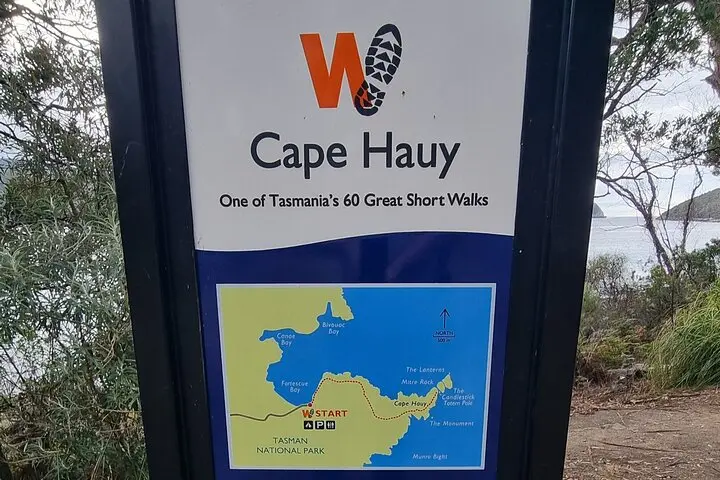
A 9.4 km out-and-back from Fortescue Bay to Cape Hauy, this 4-hour hike delivers dramatic cliffs, the Candlestick and Totem Pole sea stacks, and a chance to finish with a coastal wine tasting at Bangor Vineyard Shed.
A 9.4 km out-and-back from Fortescue Bay to Cape Hauy, this 4-hour hike delivers dramatic cliffs, the Candlestick and Totem Pole sea stacks, and a chance to finish with a coastal wine tasting at Bangor Vineyard Shed.
A brisk sea wind hits the face as the track peels away from Fortescue Bay and climbs into Tasman National Park’s open heath. The Tasman Sea keeps time below, waves carving white foam against basalt cliffs while the path threads through eucalypt pockets and wind-hardened scrub. Hikers get to move with purpose — steps, short rests, then another view that insists you stop.
Verified experiences and guided adventures in the surrounding area.
Operated by Tours Tasmania · Hobart, Tasmania
A brisk sea wind hits the face as the track peels away from Fortescue Bay and climbs into Tasman National Park’s open heath. The Tasman Sea keeps time below, waves carving white foam against basalt cliffs while the path threads through eucalypt pockets and wind-hardened scrub. Hikers get to move with purpose — steps, short rests, then another view that insists you stop.
Cape Hauy occupies the eastern edge of the Tasman Peninsula, shaped by ancient volcanic flows and relentless coastal erosion that left sheer cliffs and the famous sea stacks: the Candlestick and the Totem Pole. The area sits on Country of the Palawa people and later became a waypoint for colonial settlers; nearby Port Arthur holds a darker layer of convict-era history that echoes through the coastline’s rugged infrastructure.
On-trail, expect stairs, undulating sections and firm boardwalks where needed — roughly 9.4 km round-trip and about four hours depending on pace and breaks. The landscape feels alive: seabirds wheel and currents dare you to watch, not step. Keep an eye out for coastal heath flowers in spring and shearwaters during migration.
Practical guidance: start from Fortescue Bay early to avoid the windiest afternoon window, carry 1.5–2 L water, sturdy boots, and a windproof layer. The route is well-marked but exposed in places; sun protection and a charged phone are essential. Finish with a slower return to Hobart and, if time allows, a tasting at Bangor Vineyard Shed for local wine and coastal views — a grounded reward after a day on Tasmania’s edge.
The return walk is about 9.4 km and typically takes around 4 hours; it’s rated moderate with stairs and some steep sections.
Fortescue Bay has basic facilities and parking; services are limited so use them before you set off.
Dogs are not generally permitted in Tasman National Park except for service animals—check current park regulations before you go.
Active kids used to walking up and down stairs can do the route, but supervision on exposed cliff sections is essential.
Tours Tasmania operates guided outdoor trips and adventures with an emphasis on safety, stewardship, and memorable experiences.
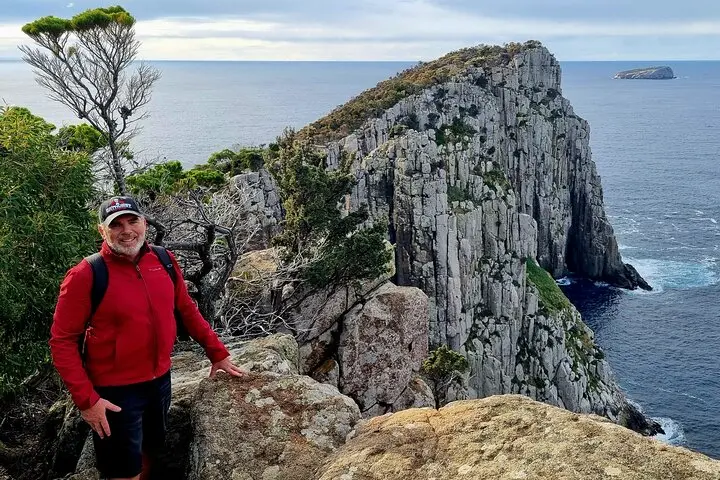
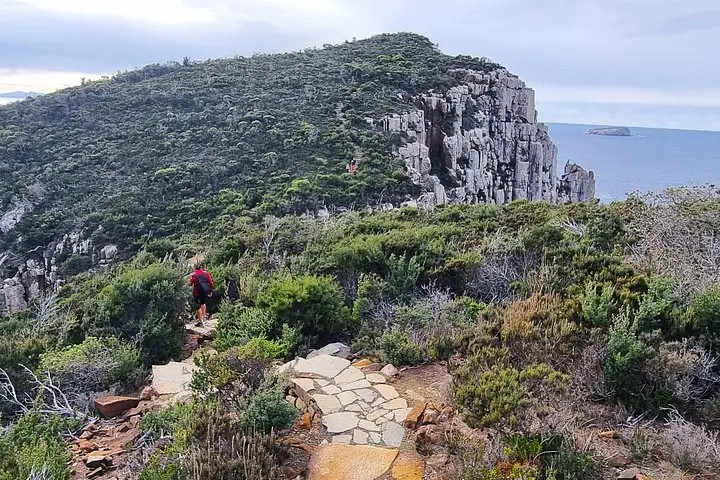
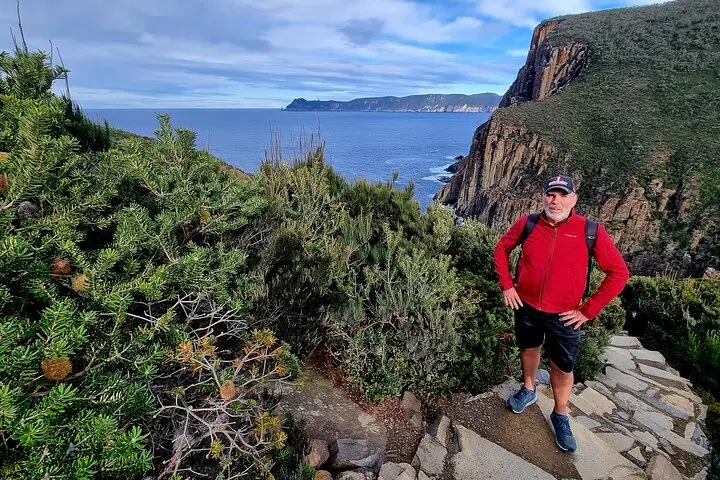
A brisk sea wind hits the face as the track peels away from Fortescue Bay and climbs into Tasman National Park’s open heath. The Tasman Sea keeps time below, waves carving white foam against basalt cliffs while the path threads through eucalypt pockets and wind-hardened scrub. Hikers get to move with purpose — steps, short rests, then another view that insists you stop.
A brisk sea wind hits the face as the track peels away from Fortescue Bay and climbs into Tasman National Park’s open heath. The Tasman Sea keeps time below, waves carving white foam against basalt cliffs while the path threads through eucalypt pockets and wind-hardened scrub. Hikers get to move with purpose — steps, short rests, then another view that insists you stop.
Cape Hauy occupies the eastern edge of the Tasman Peninsula, shaped by ancient volcanic flows and relentless coastal erosion that left sheer cliffs and the famous sea stacks: the Candlestick and the Totem Pole. The area sits on Country of the Palawa people and later became a waypoint for colonial settlers; nearby Port Arthur holds a darker layer of convict-era history that echoes through the coastline’s rugged infrastructure.
On-trail, expect stairs, undulating sections and firm boardwalks where needed — roughly 9.4 km round-trip and about four hours depending on pace and breaks. The landscape feels alive: seabirds wheel and currents dare you to watch, not step. Keep an eye out for coastal heath flowers in spring and shearwaters during migration.
Practical guidance: start from Fortescue Bay early to avoid the windiest afternoon window, carry 1.5–2 L water, sturdy boots, and a windproof layer. The route is well-marked but exposed in places; sun protection and a charged phone are essential. Finish with a slower return to Hobart and, if time allows, a tasting at Bangor Vineyard Shed for local wine and coastal views — a grounded reward after a day on Tasmania’s edge.